StoneSnapDownload

Blue Rocks, Minerals & Gemstones

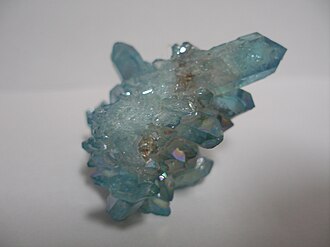
Found a blue rock and want a name for it? This guide lists all 67 blue rocks, minerals and gemstones in the StoneSnap database, from common finds like Chrysocolla, Sodalite, and Blue Goldstone to collector specimens.

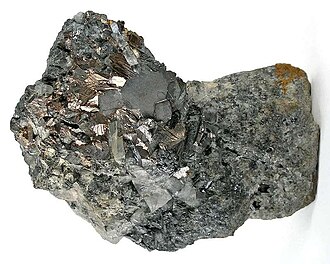
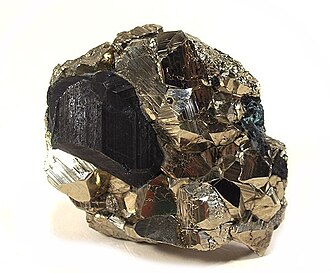
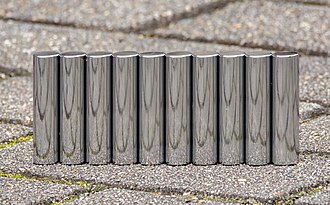
Color alone rarely identifies a specimen, so start with luster (54 glassy, 8 waxy, silky or pearly, and 5 metallic in this list), then check hardness with a scratch test and streak color. Each card links to a full identification guide with tests, look-alikes and value.

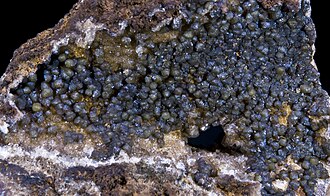
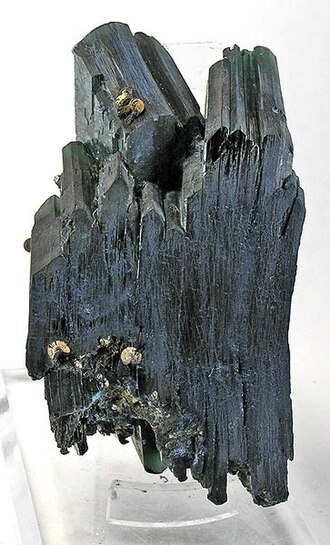
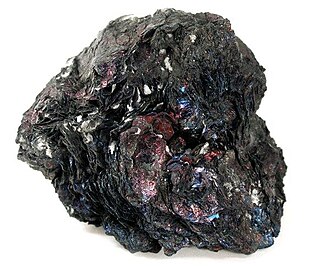
Metallic blue rocks (5)
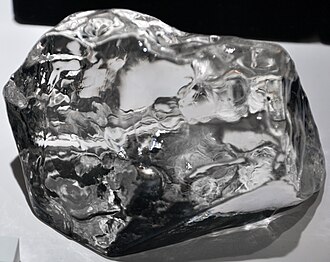
Glassy blue rocks (54)
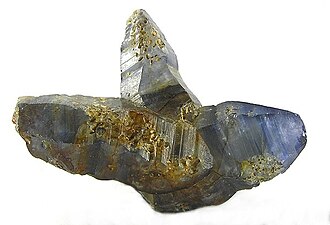
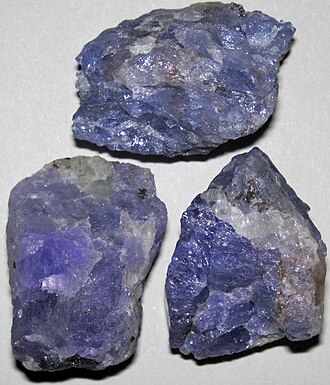
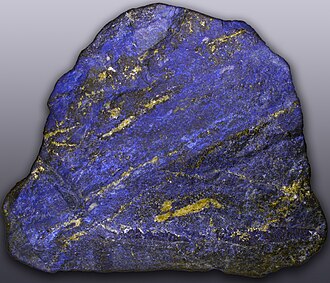
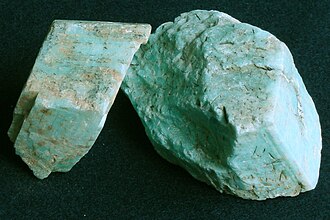
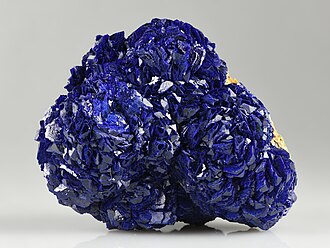
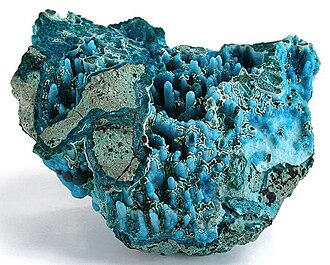
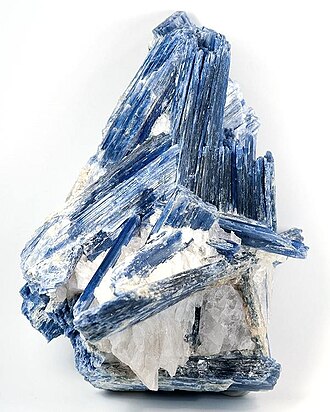
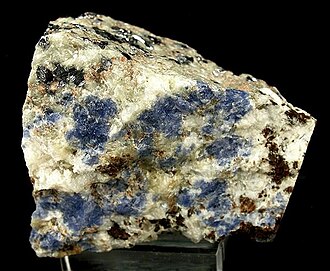
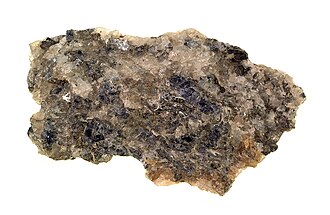
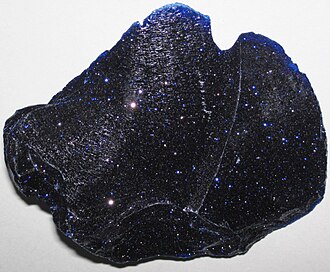
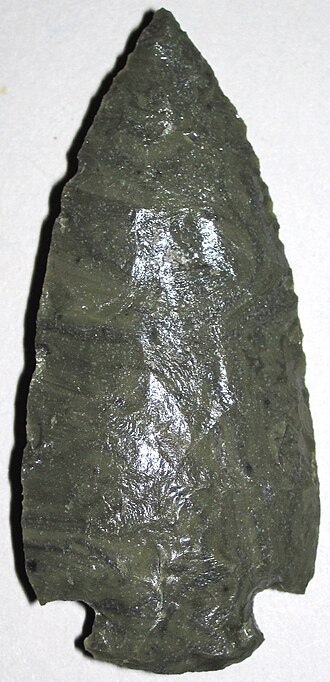
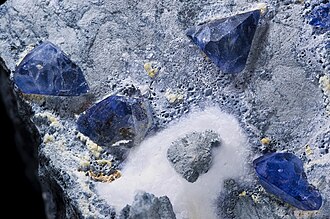
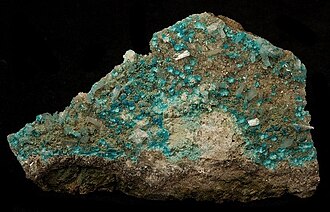
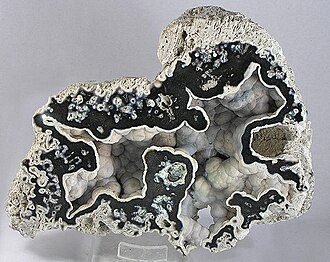
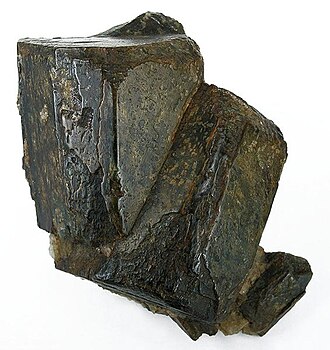
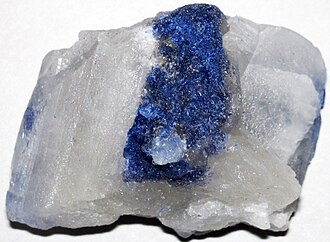
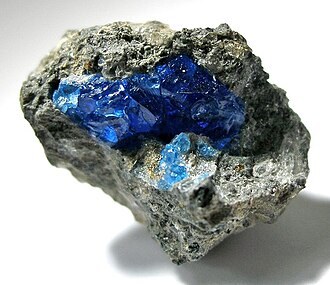
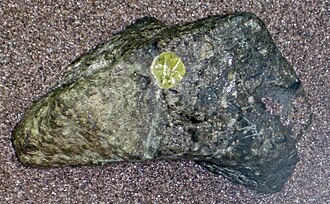
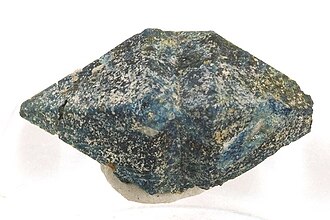
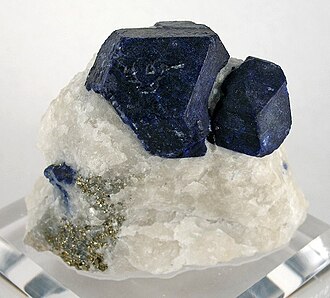
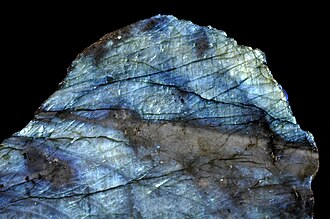
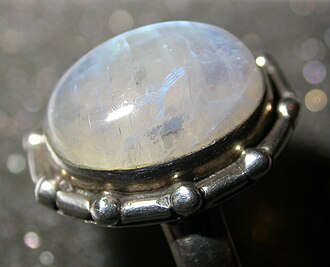
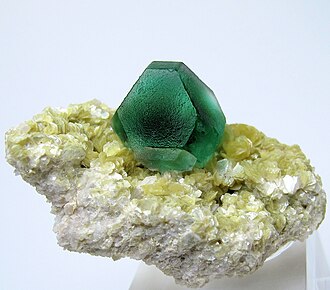
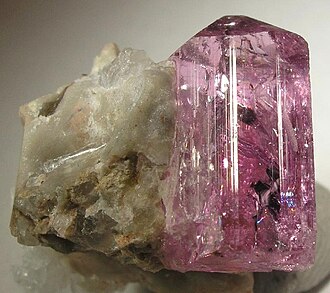
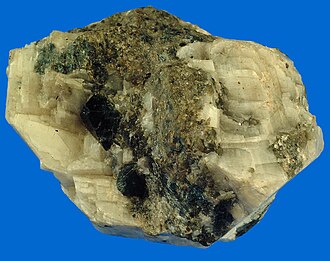
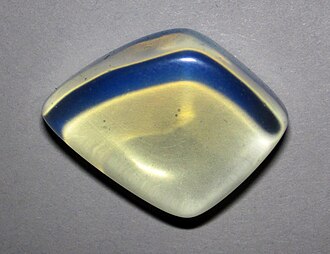
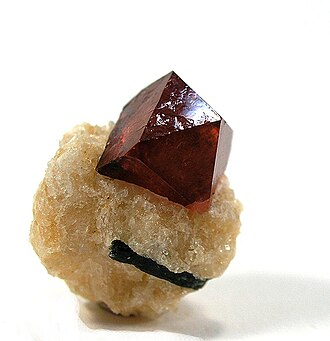
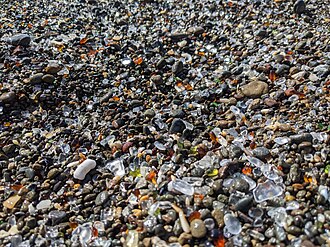
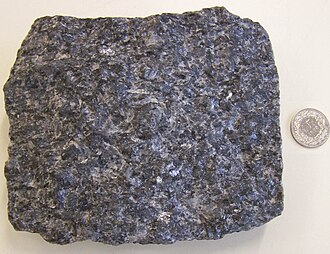
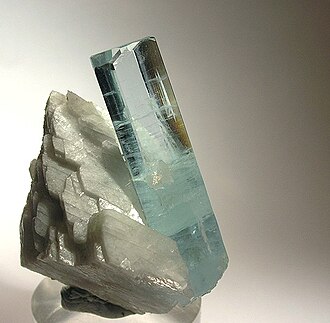
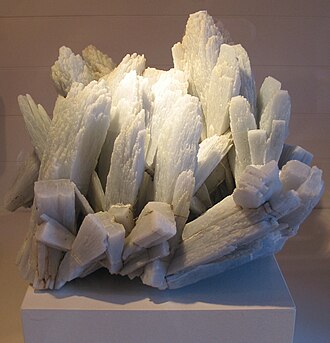
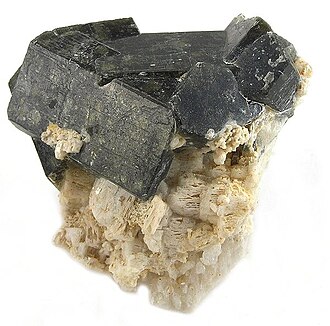
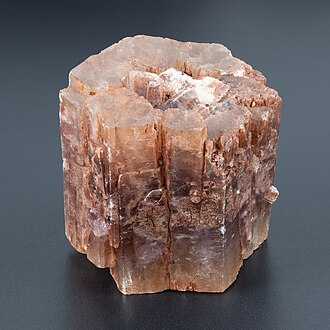
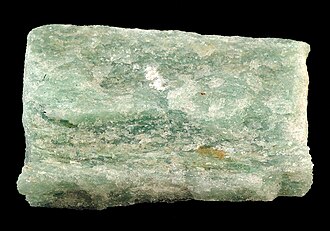
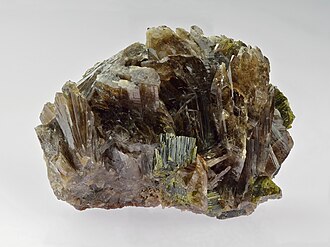
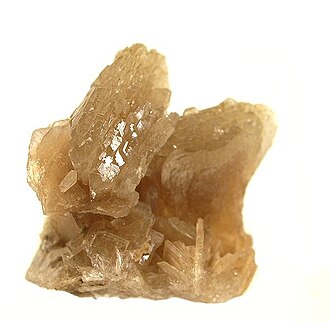
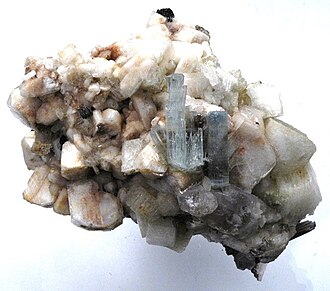
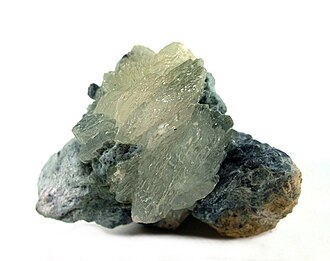
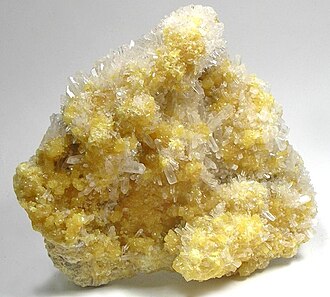
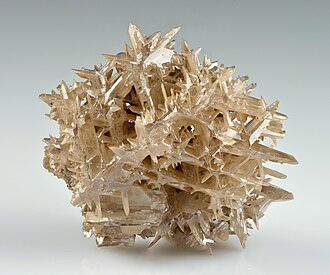
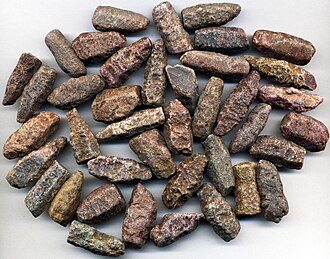
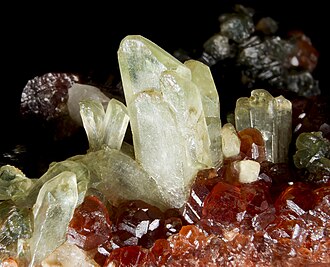
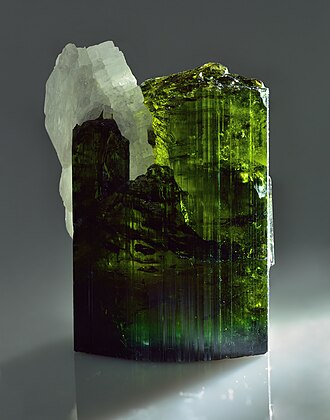
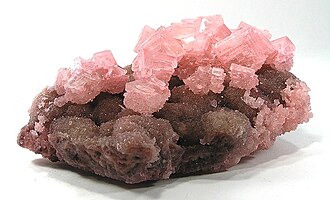
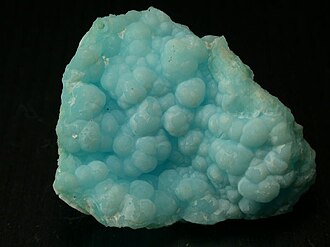
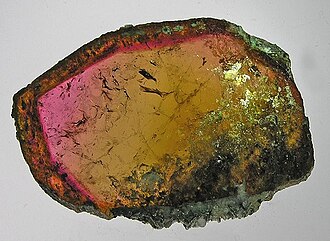
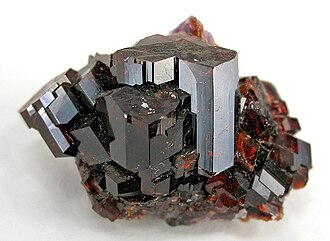
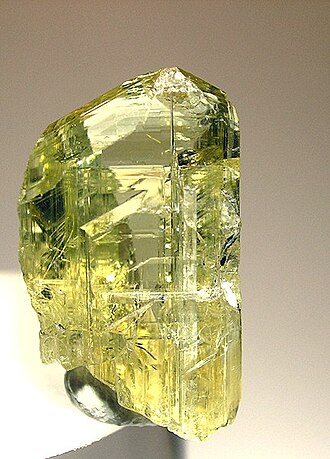
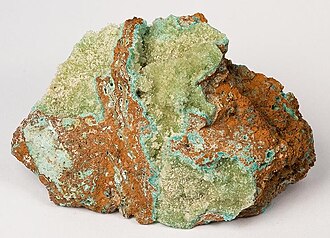
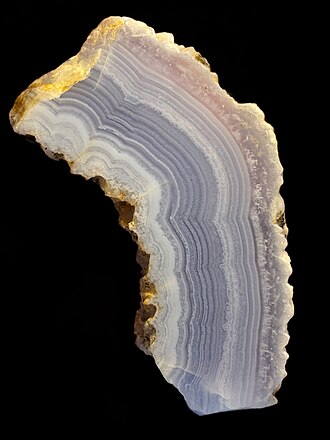
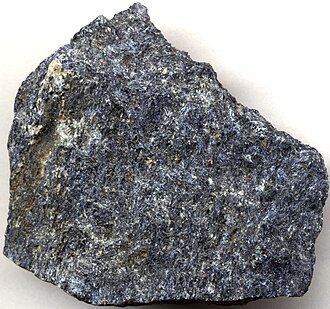
Sapphire specimen: blue and pink gemstoneSapphireMohs 9 · adamantine · rareTanzanite specimen: blue and violet gemstoneTanzaniteMohs 6.5 · vitreous · legendaryLapis Lazuli specimen: deep blue and blue mineralLapis LazuliMohs 5.5 · vitreous · uncommonAquamarine specimen: light blue and blue-green gemstoneAquamarineMohs 7.5 · vitreous · uncommonAmazonite specimen: blue-green and turquoise mineralAmazoniteMohs 6 · vitreous · uncommonAzurite specimen: deep blue and azure blue mineralAzuriteMohs 3.5 · vitreous · uncommonChrysocolla specimen: blue-green and cyan mineralChrysocollaMohs 2.5 · vitreous · commonKyanite specimen: blue and green mineralKyaniteMohs 5 · vitreous · uncommonSodalite specimen: blue and blue with white veins mineralSodaliteMohs 5.5 · vitreous · commonIolite specimen: violet-blue and blue gemstoneIoliteMohs 7 · vitreous · uncommonBlue Goldstone specimen: dark blue and navy materialBlue GoldstoneMohs 5.5 · vitreous · commonSlag Glass specimen: blue and green materialSlag GlassMohs 5.5 · vitreous · commonBenitoite specimen: blue and colorless mineralBenitoiteMohs 6–6.5 · Vitreous · commonCavansite specimen: bright blue and deep blue mineralCavansiteMohs 3–4 · Vitreous · commonChalcedony specimen: blue-gray and white mineralChalcedonyMohs 6.5–7 · Waxy to vitreous · commonCordierite specimen: blue and violet-blue mineralCordieriteMohs 7–7.5 · Vitreous · commonDumortierite specimen: blue and violet-blue mineralDumortieriteMohs 7–8.5 · Vitreous, silky when fibrous · commonHauyne specimen: blue and sky blue mineralHauyneMohs 5.5–6 · Vitreous to greasy · commonKimberlite specimen: blue-gray ('blue ground') and yellow ('yellow ground', weathered) igneous rockKimberliteMohs 5–6.5 · Dull to vitreous · commonLazulite specimen: blue and sky blue mineralLazuliteMohs 5.75 · vitreous · rareLazurite specimen: blue and deep blue mineralLazuriteMohs 5.25 · vitreous · rareSmithsonite specimen: blue green and green mineralSmithsoniteMohs 4.5 · vitreous · uncommonVivianite specimen: blue and green mineralVivianiteMohs 1.75 · vitreous · uncommonDiamond specimen: colorless and yellow gemstoneDiamondMohs 10 · adamantine · legendaryOpal specimen: white and black gemstoneOpalMohs 5.5 · vitreous · uncommonLabradorite specimen: gray and blue flash mineralLabradoriteMohs 6 · vitreous · commonMoonstone specimen: white and gray gemstoneMoonstoneMohs 6 · vitreous · uncommonFluorite specimen: purple and green mineralFluoriteMohs 4 · vitreous · commonTopaz specimen: colorless and blue gemstoneTopazMohs 8 · vitreous · uncommonSpinel specimen: red and pink gemstoneSpinelMohs 8 · vitreous · uncommonOpalite specimen: milky white and blue materialOpaliteMohs 5.5 · vitreous · commonZircon specimen: colorless and blue gemstoneZirconMohs 7.5 · adamantine · uncommonCalcite specimen: colorless and white mineralCalciteMohs 3 · vitreous · commonGlass specimen: green and brown materialGlassMohs 5.5 · vitreous · commonLarvikite specimen: dark gray and blue gray igneous rockLarvikiteMohs 6 · vitreous · commonAlbite specimen: white and colorless mineralAlbiteMohs 6–6.5 · Vitreous, pearly on cleavage · commonAnhydrite specimen: colorless and white mineralAnhydriteMohs 3–3.5 · Vitreous, pearly on cleavage surfaces · commonApatite specimen: green and blue mineralApatiteMohs 5 · Vitreous to subresinous · commonAragonite specimen: colorless and white mineralAragoniteMohs 3.5–4 · Vitreous to resinous · commonAventurine specimen: green and blue mineralAventurineMohs 6.5–7 · Vitreous, aventurescent (glittery) · commonAxinite specimen: clove-brown and violet-brown mineralAxiniteMohs 6.5–7 · Vitreous · commonBaryte specimen: colorless and white mineralBaryteMohs 3–3.5 · Vitreous, pearly on cleavage · commonBeryl specimen: green (emerald) and blue (aquamarine) mineralBerylMohs 7.5–8 · Vitreous · commonBrucite specimen: white and pale green mineralBruciteMohs 2.5 · vitreous · uncommonCelestine specimen: colorless and pale blue mineralCelestineMohs 3–3.5 · Vitreous, pearly on cleavage · commonCerussite specimen: colorless and white mineralCerussiteMohs 3–3.5 · Adamantine to vitreous/resinous · commonCorundum specimen: red (ruby) and blue (sapphire) mineralCorundumMohs 9 · Adamantine to vitreous · commonDiopside specimen: light to dark green and white mineralDiopsideMohs 5.5–6.5 · Vitreous · commonElbaite specimen: pink and green mineralElbaiteMohs 7–7.5 · Vitreous · commonHalite specimen: colorless and white mineralHaliteMohs 2–2.5 · Vitreous · commonHemimorphite specimen: white and colorless mineralHemimorphiteMohs 4.5–5 · Vitreous, silky when fibrous · commonTourmaline specimen: black and green mineralTourmalineMohs 7–7.5 · Vitreous · commonVesuvianite specimen: green and brown mineralVesuvianiteMohs 6.5 · vitreous · uncommonZoisite specimen: green and pink mineralZoisiteMohs 6.5 · vitreous · uncommon

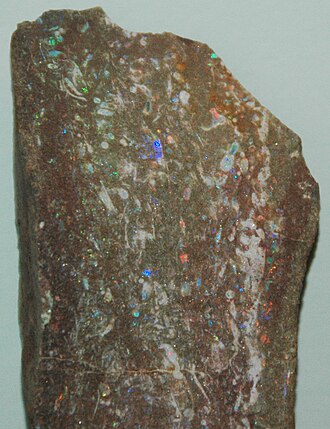
Waxy, silky or pearly blue rocks (8)
Frequently asked questions

What is a blue shiny rock most likely to be?

Shiny blue rocks are usually Chrysocolla, Sodalite, Blue Goldstone, and Slag Glass. Check whether the shine is metallic or glassy, then test hardness against glass to narrow it further.

How do I identify a blue rock at home?

Rinse it, look at the luster and grain under good light, scratch it against glass and a steel knife to bracket its Mohs hardness, and rub it on unglazed porcelain to see the streak color. Compare the results with the blue candidates on this page, or scan it with the StoneSnap app for an instant match.

Are blue rocks valuable?

Most blue rocks are common and worth a few dollars as specimens, but gem-grade material such as Diamond, Sapphire, and Opal can be worth far more. Each page lists a typical value range.

Not sure what you found?

Snap a photo with StoneSnap and get an instant match with properties, value estimates and look-alikes — free to try.

Download on the App StoreGet it on Google Play