
Identification guide · Metals & Alloys
How to Identify Chrome
Chrome is usually mirror silver, blue-gray, and bright silver with a metallic luster and is opaque. It has a Mohs hardness of 8.5. It scratches glass, steel and even quartz; only harder gems will mark it. Its streak is silver-gray. It is most often confused with Tungsten, Aluminum, and Iron; the tests below separate them.
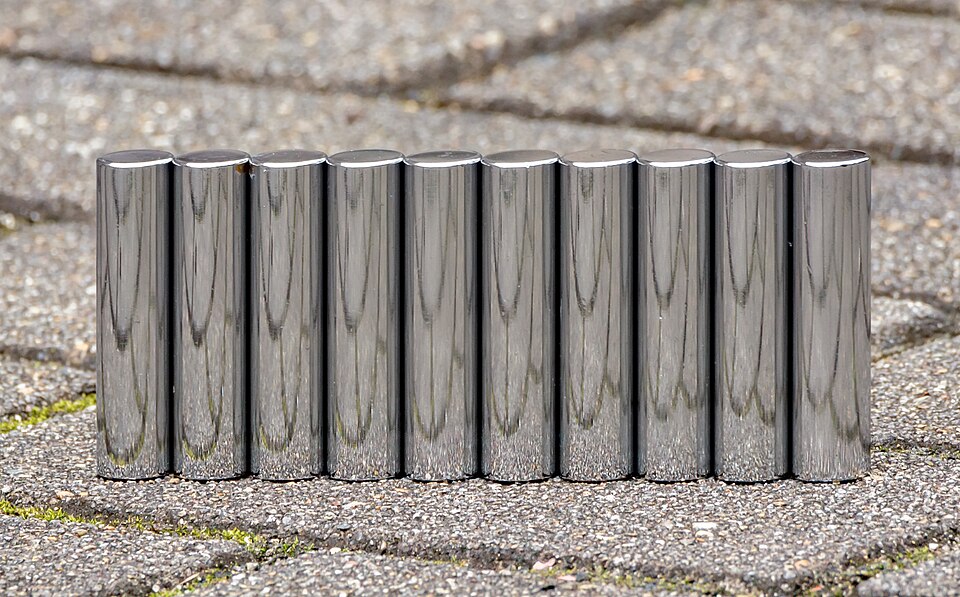
Chrome identification checklist
| Color | Mirror silver, Blue-gray, Bright silver | Look at a clean, dry surface in daylight. Color zoning, banding or spots are as diagnostic as the hue. |
|---|---|---|
| Luster | Metallic | Turn it under a lamp: a true metallic shine reflects like polished metal and stays opaque at thin edges. |
| Transparency | Opaque | Hold a thin edge up to a bright light and note whether light passes through. |
| Mohs hardness | 8.5 | It scratches glass, steel and even quartz; only harder gems will mark it. |
| Streak | Silver-gray | Drag a corner across unglazed porcelain (the back of a bathroom tile) and check the powder color. |
| Cleavage | None | |
| Fracture | Ductile to uneven | |
| Specific gravity | 7.2 | Very heavy, metallic heft (specific gravity about 7.2). |
Chrome look-alikes and how to tell them apart
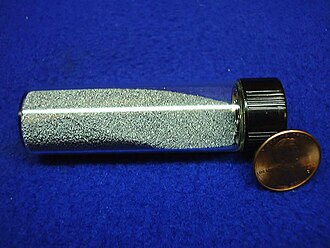
Chrome is harder (Mohs 8.5) than Tungsten (Mohs 7.5), so Chrome will scratch Tungsten and not the other way round. It scratches glass, steel and even quartz; only harder gems will mark it. Chrome vs Tungsten →
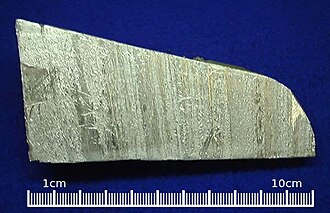
Chrome is harder (Mohs 8.5) than Aluminum (Mohs 2.75), so Chrome will scratch Aluminum and not the other way round. A copper coin (Mohs 3.5) scratches it, but a fingernail does not. Chrome vs Aluminum →
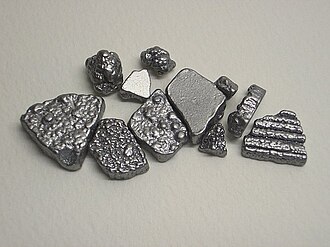
Chrome is harder (Mohs 8.5) than Iron (Mohs 4), so Chrome will scratch Iron and not the other way round. A steel knife blade (Mohs 5.5) scratches it; a copper coin does not. Chrome vs Iron →
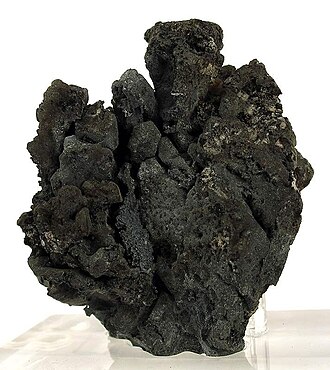
Chrome is harder (Mohs 8.5) than Lead (Mohs 1.5), so Chrome will scratch Lead and not the other way round. A fingernail (Mohs 2.5) scratches it easily.
Field tips
- Look for a very bright, mirror-like silver surface.
- Chrome often appears cooler and bluer than silver or stainless steel.
- Plated objects may show scratches, flaking, or a different base metal at worn edges.
- Common objects include tools, fixtures, handles, trim, and decorative hardware.
Chrome identification FAQ
How can you tell if a rock is Chrome?
Check the color (mirror silver, blue-gray, and bright silver), the metallic luster, a Mohs hardness of 8.5 and a silver-gray streak. Photographing it with the StoneSnap app gives a match in seconds.
What is the hardness of Chrome?
Chrome has a Mohs hardness of 8.5. It scratches glass, steel and even quartz; only harder gems will mark it.
What is the difference between Chrome and Tungsten?
Chrome (Mohs 8.5, metallic luster) and Tungsten (Mohs 7.5, metallic luster) look alike, but hardness, streak and heft usually separate them. See the full Chrome vs Tungsten comparison for a side-by-side table.
Is Chrome worth anything?
Entry-level Chrome specimens sell for around $1, typical collector pieces about $20, and premium examples $200 or more depending on size, quality and locality.
What color is Chrome?
Chrome is most often mirror silver, blue-gray, and bright silver. Color varies with impurities and locality, so confirm with hardness and luster rather than color alone.

