StoneSnapDownload

Clear & Colorless Rocks, Crystals and Minerals

Found a clear or colorless crystal? 54 entries in the StoneSnap database can appear transparent or colorless, from everyday Clear Quartz, Selenite, and Calcite to rarer finds. Colorless stones are separated by hardness, luster and how they break, not by color.

Color alone rarely identifies a specimen, so start with luster (52 glassy, 1 dull or earthy, and 1 waxy, silky or pearly in this list), then check hardness with a scratch test and streak color. Each card links to a full identification guide with tests, look-alikes and value.

Glassy clear rocks (52)
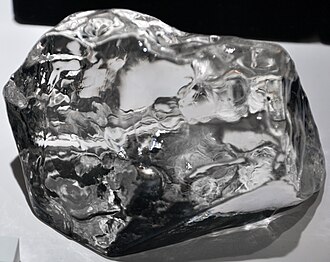
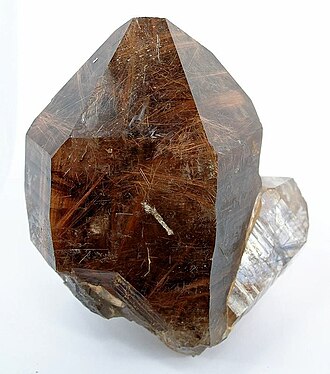
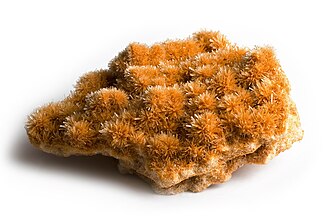
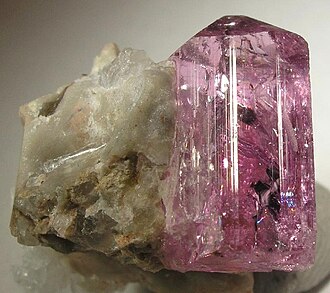
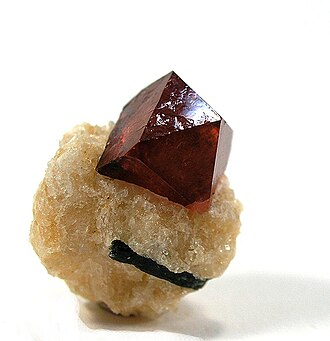
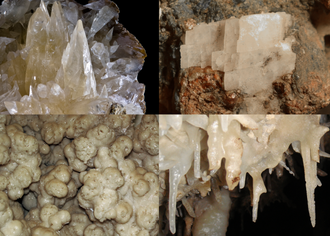
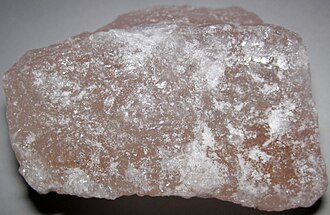
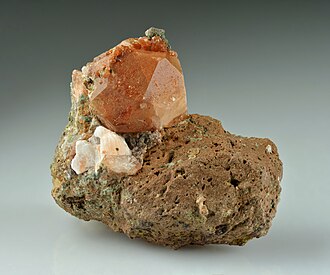
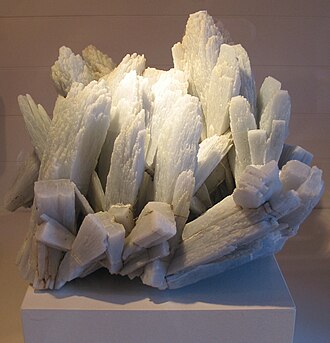
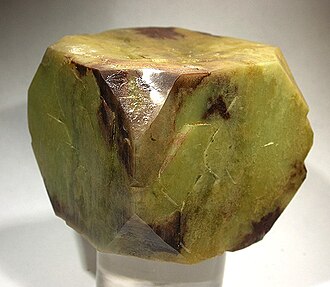
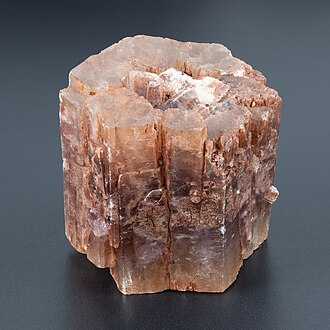
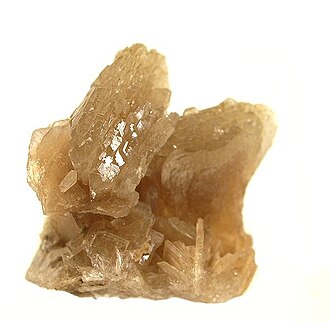
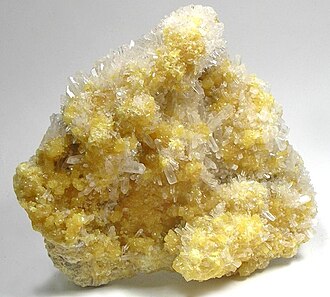
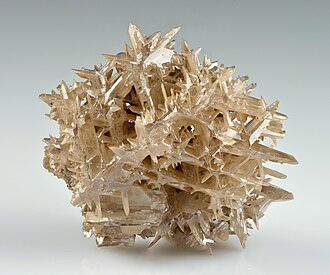
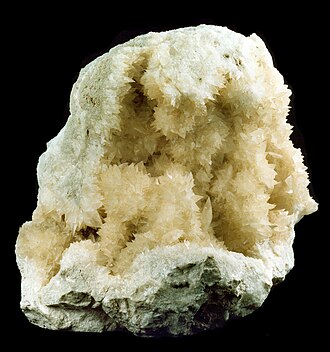
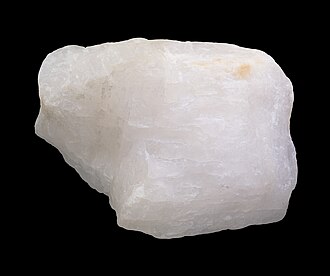
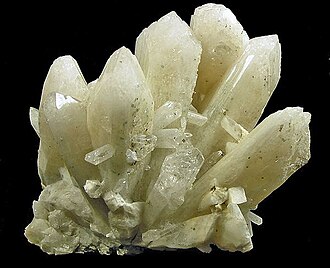
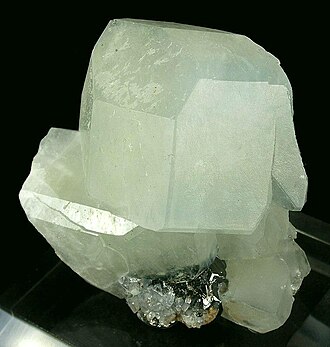
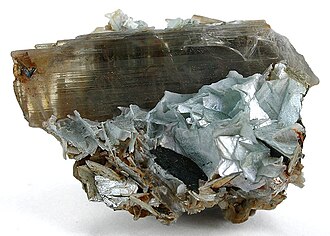
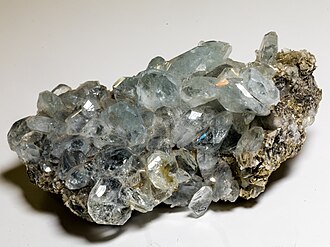
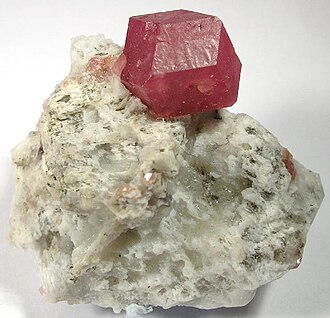
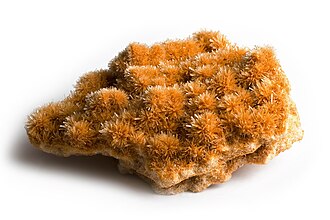
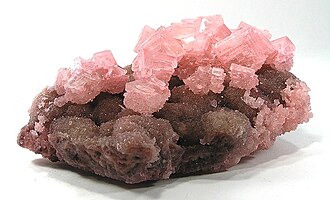
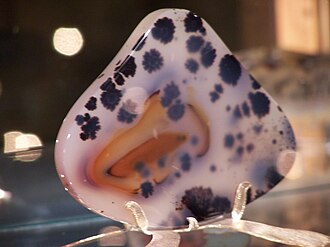
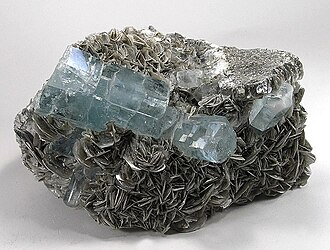
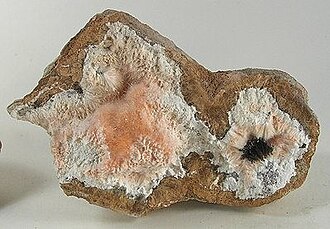
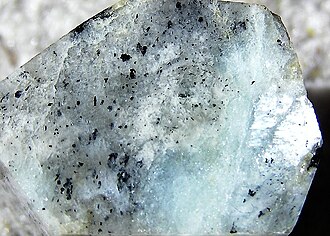
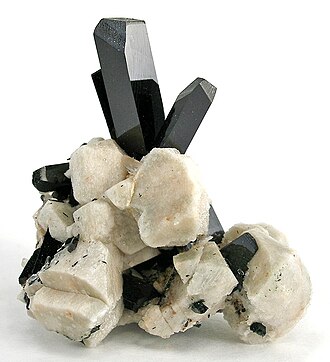
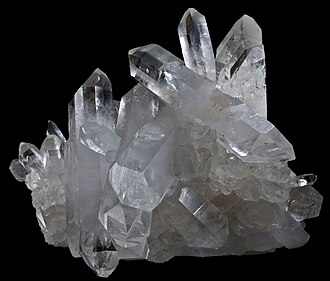
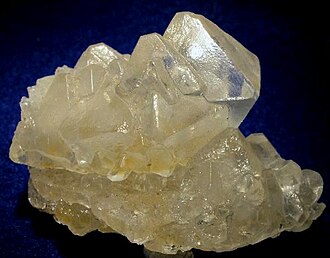
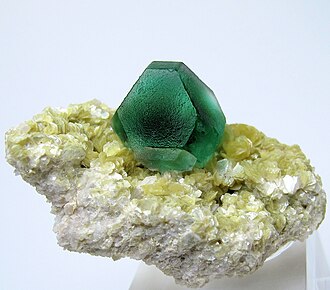
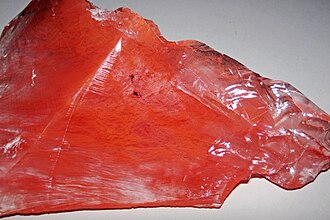
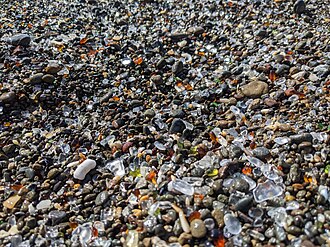
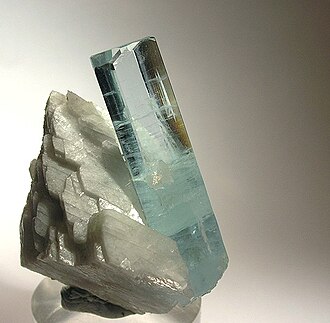
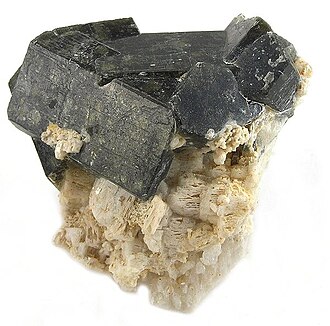
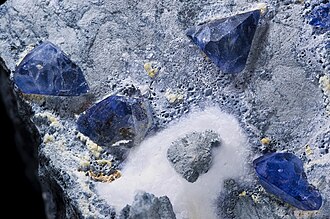
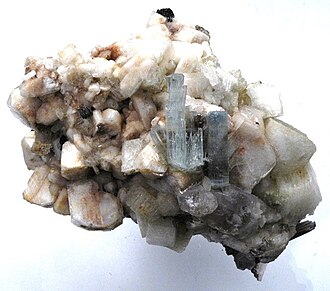
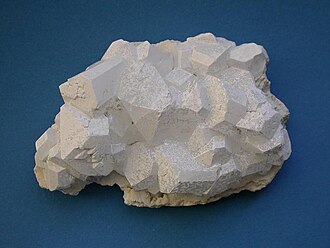
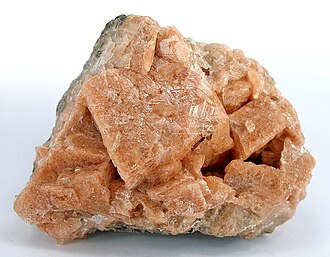
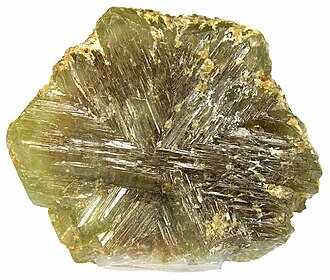
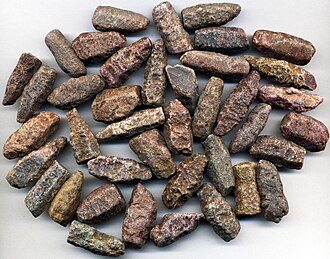
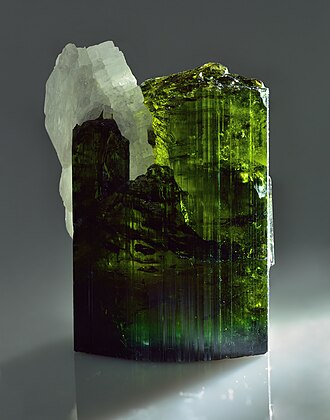
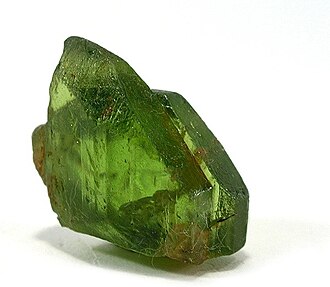
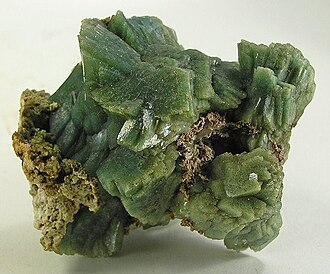
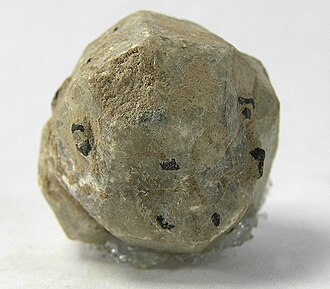
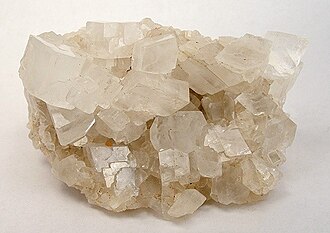
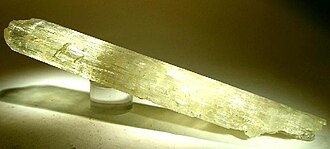
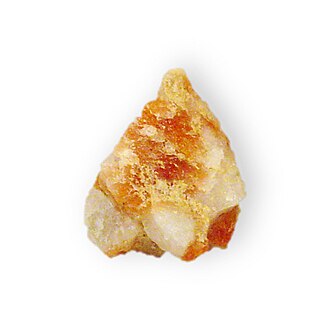
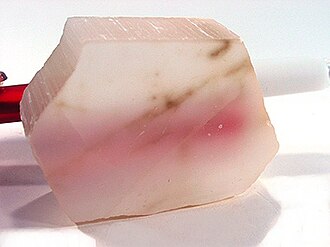
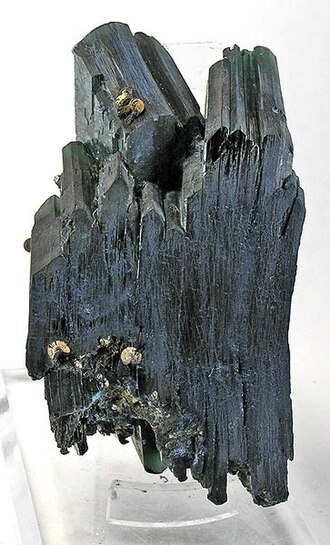
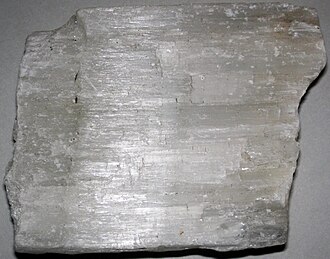
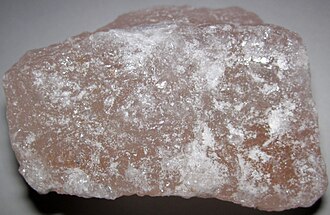
Diamond specimen: colorless and yellow gemstoneDiamondMohs 10 · adamantine · legendaryClear Quartz specimen: colorless and white mineralClear QuartzMohs 7 · vitreous · commonSelenite specimen: colorless and white mineralSeleniteMohs 2 · vitreous · commonTopaz specimen: colorless and blue gemstoneTopazMohs 8 · vitreous · uncommonZircon specimen: colorless and blue gemstoneZirconMohs 7.5 · adamantine · uncommonCalcite specimen: colorless and white mineralCalciteMohs 3 · vitreous · commonRock Salt specimen: clear and white sedimentary rockRock SaltMohs 2.5 · vitreous · commonAnalcime specimen: colorless and white mineralAnalcimeMohs 5–5.5 · Vitreous · commonAnhydrite specimen: colorless and white mineralAnhydriteMohs 3–3.5 · Vitreous, pearly on cleavage surfaces · commonApophyllite specimen: colorless and white mineralApophylliteMohs 4.5–5 · Vitreous, pearly on cleavage · commonAragonite specimen: colorless and white mineralAragoniteMohs 3.5–4 · Vitreous to resinous · commonBaryte specimen: colorless and white mineralBaryteMohs 3–3.5 · Vitreous, pearly on cleavage · commonCelestine specimen: colorless and pale blue mineralCelestineMohs 3–3.5 · Vitreous, pearly on cleavage · commonCerussite specimen: colorless and white mineralCerussiteMohs 3–3.5 · Adamantine to vitreous/resinous · commonColemanite specimen: colorless and white mineralColemaniteMohs 4–4.5 · Vitreous, adamantine on cleavage faces · commonCryolite specimen: colorless and white mineralCryoliteMohs 2.5–3 · Vitreous to greasy or pearly · commonDanburite specimen: colorless and pale yellow mineralDanburiteMohs 7–7.5 · Vitreous · commonDatolite specimen: colorless and white mineralDatoliteMohs 5–5.5 · Vitreous, slightly greasy · commonDiaspore specimen: colorless and white mineralDiasporeMohs 6.5–7 · Vitreous to pearly on cleavage · commonGoshenite specimen: colorless and white mineralGosheniteMohs 7.5–8 · Vitreous · commonGrossular specimen: colorless and green mineralGrossularMohs 6.5–7.5 · Vitreous to resinous · commonGypsum specimen: colorless and white mineralGypsumMohs 2 · Vitreous, pearly, or silky (fibrous), earthy when massive · commonHalite specimen: colorless and white mineralHaliteMohs 2–2.5 · Vitreous · commonMoss Agate specimen: colorless and white gemstoneMoss AgateMohs 6.75 · vitreous · commonMuscovite specimen: colorless and silvery white mineralMuscoviteMohs 2–4 · Vitreous to pearly/silky · commonNatrolite specimen: colorless and white mineralNatroliteMohs 5.5 · vitreous · uncommonNepheline specimen: colorless and white mineralNephelineMohs 6 · vitreous · uncommonOrthoclase specimen: colorless and white mineralOrthoclaseMohs 6 · vitreous · commonQuartz specimen: colorless and white crystalQuartzMohs 7 · Vitreous, greasy on fracture surfaces · commonSylvite specimen: colorless and white mineralSylviteMohs 2 · vitreous · uncommonFluorite specimen: purple and green mineralFluoriteMohs 4 · vitreous · commonCherry Quartz specimen: pink and red materialCherry QuartzMohs 5.5 · vitreous · commonGlass specimen: green and brown materialGlassMohs 5.5 · vitreous · commonAlbite specimen: white and colorless mineralAlbiteMohs 6–6.5 · Vitreous, pearly on cleavage · commonApatite specimen: green and blue mineralApatiteMohs 5 · Vitreous to subresinous · commonBenitoite specimen: blue and colorless mineralBenitoiteMohs 6–6.5 · Vitreous · commonBeryl specimen: green (emerald) and blue (aquamarine) mineralBerylMohs 7.5–8 · Vitreous · commonBorax specimen: white and colorless mineralBoraxMohs 2–2.5 · Vitreous to resinous, earthy when dehydrated · commonChabazite specimen: white and colorless mineralChabaziteMohs 4–5 · Vitreous · commonChrysoberyl specimen: yellow and greenish-yellow mineralChrysoberylMohs 8.5 · Vitreous · commonCorundum specimen: red (ruby) and blue (sapphire) mineralCorundumMohs 9 · Adamantine to vitreous · commonElbaite specimen: pink and green mineralElbaiteMohs 7–7.5 · Vitreous · commonFeldspar specimen: white and pink mineralFeldsparMohs 6–6.5 · Vitreous to pearly · commonForsterite specimen: pale yellow-green and olive green mineralForsteriteMohs 6.5–7 · Vitreous · commonHemimorphite specimen: white and colorless mineralHemimorphiteMohs 4.5–5 · Vitreous, silky when fibrous · commonHeulandite specimen: white and colorless mineralHeulanditeMohs 3.5–4 · Vitreous, pearly on cleavage · commonLeucite specimen: white and gray mineralLeuciteMohs 5.75 · vitreous · uncommonMagnesite specimen: white and gray mineralMagnesiteMohs 4 · vitreous · commonSpodumene specimen: pink and lilac mineralSpodumeneMohs 6.75 · vitreous · uncommonSunstone specimen: orange and red gemstoneSunstoneMohs 6.5 · vitreous · uncommonUlexite specimen: white and colorless mineralUlexiteMohs 2.5 · vitreous · uncommonVivianite specimen: blue and green mineralVivianiteMohs 1.75 · vitreous · uncommon

Waxy, silky or pearly clear rocks (1)

Dull or earthy clear rocks (1)
Frequently asked questions

What is a clear shiny rock most likely to be?

Shiny clear rocks are usually Clear Quartz, Selenite, Calcite, and Rock Salt. Check whether the shine is metallic or glassy, then test hardness against glass to narrow it further.

How do I identify a clear rock at home?

Rinse it, look at the luster and grain under good light, scratch it against glass and a steel knife to bracket its Mohs hardness, and rub it on unglazed porcelain to see the streak color. Compare the results with the clear candidates on this page, or scan it with the StoneSnap app for an instant match.

Are clear rocks valuable?

Most clear rocks are common and worth a few dollars as specimens, but gem-grade material such as Diamond, Topaz, and Zircon can be worth far more. Each page lists a typical value range.

Not sure what you found?

Snap a photo with StoneSnap and get an instant match with properties, value estimates and look-alikes — free to try.

Download on the App StoreGet it on Google Play