StoneSnapDownload

Green Rocks, Minerals & Gemstones

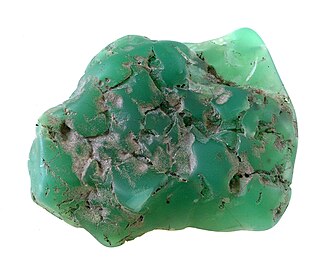
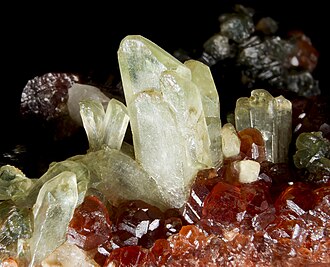
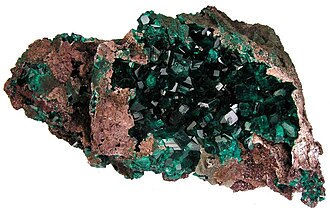
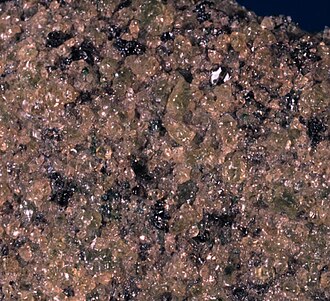
Found a green rock and want a name for it? This guide lists all 126 green rocks, minerals and gemstones in the StoneSnap database, from common finds like Malachite, Chrysocolla, and Bloodstone to collector specimens.

Color alone rarely identifies a specimen, so start with luster (86 glassy, 22 waxy, silky or pearly, 16 dull or earthy, and 2 metallic in this list), then check hardness with a scratch test and streak color. Each card links to a full identification guide with tests, look-alikes and value.

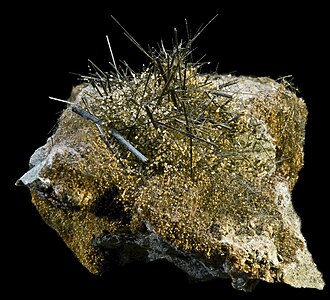
Metallic green rocks (2)
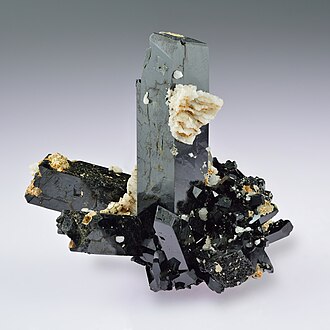
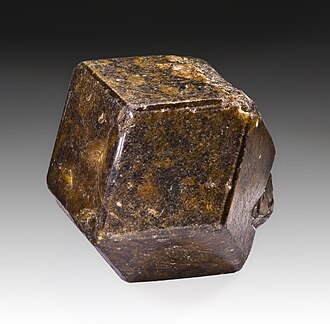
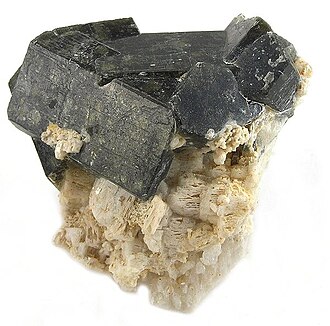
Glassy green rocks (86)
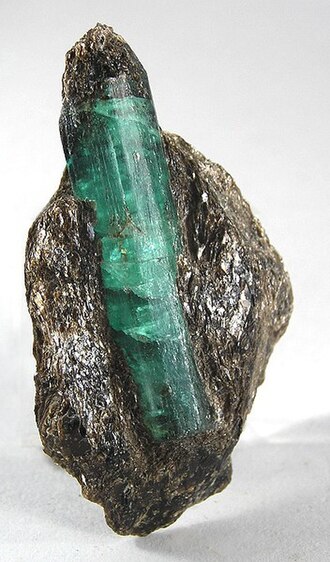
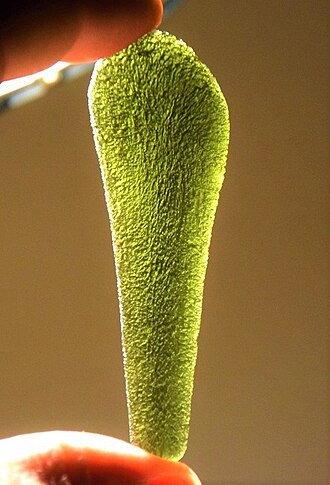
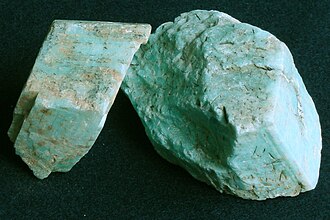
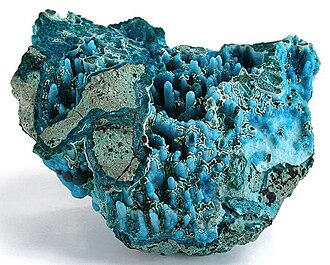
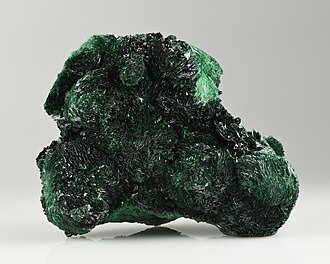
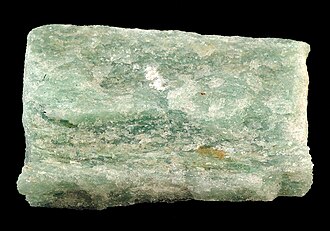
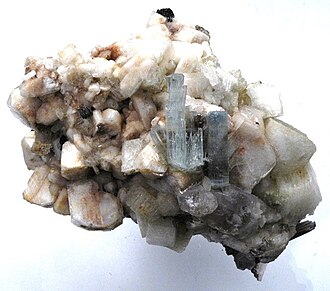
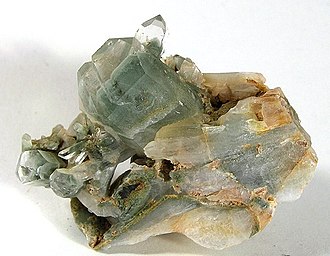
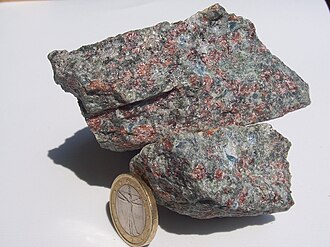
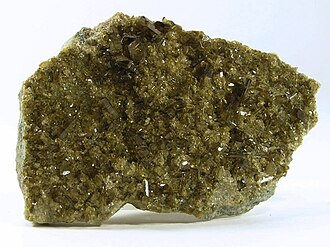
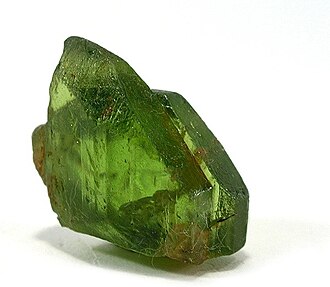
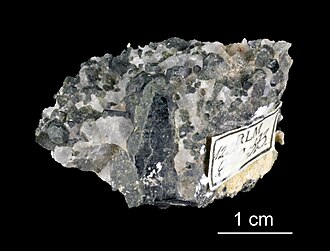
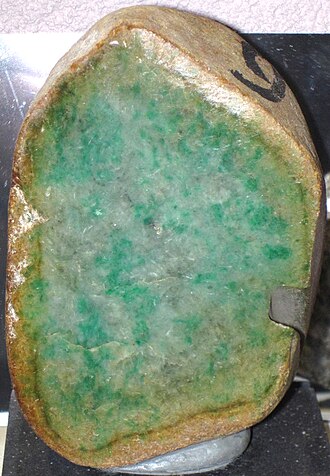
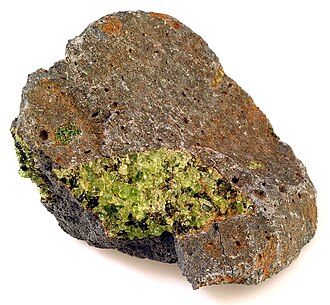
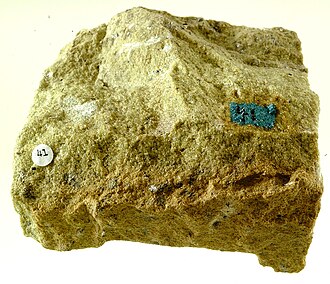
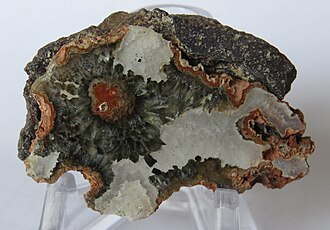
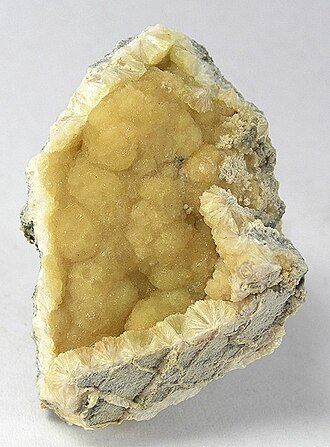
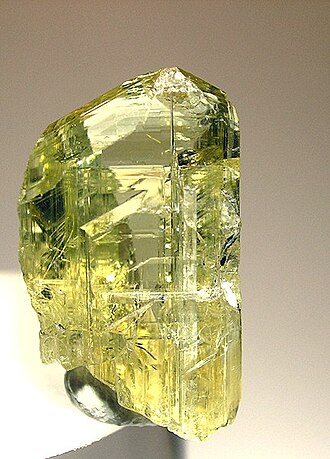
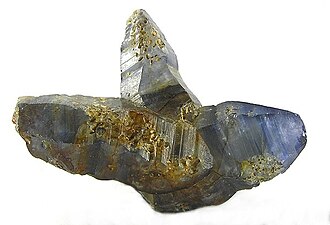
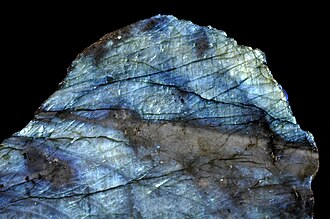
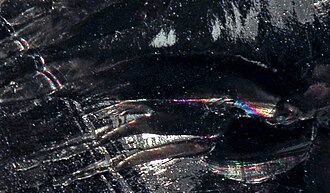
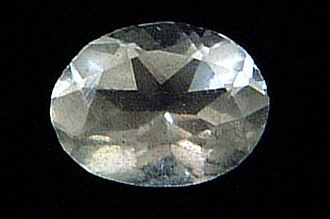
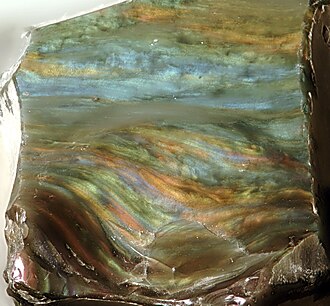
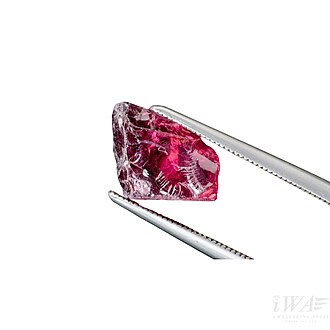
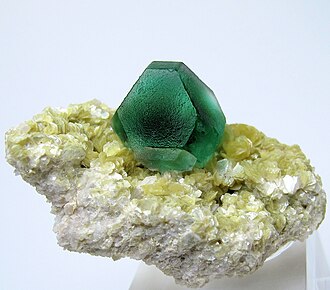
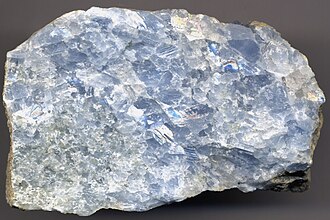
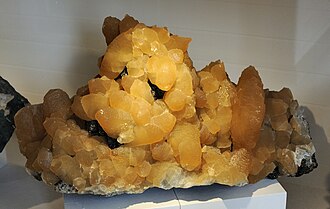
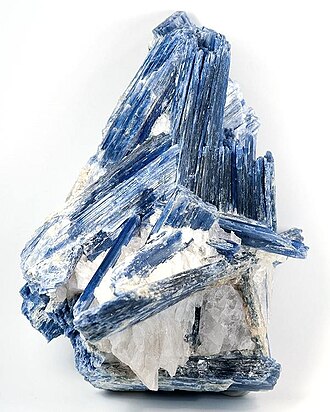
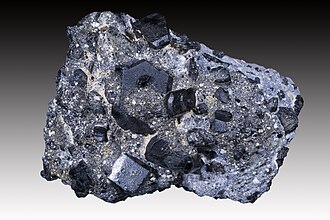
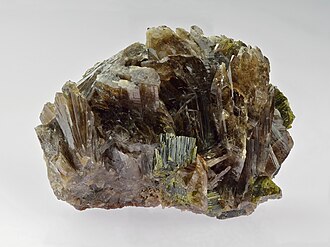
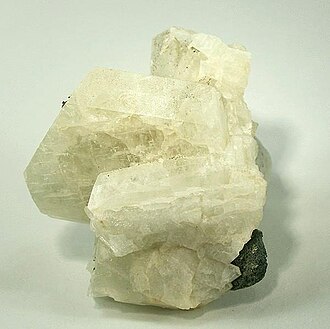
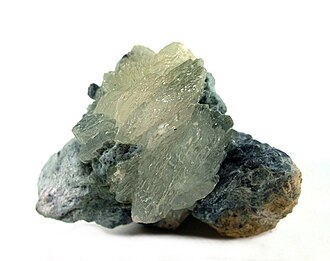
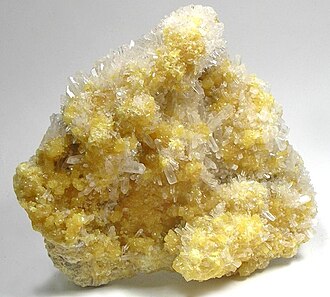
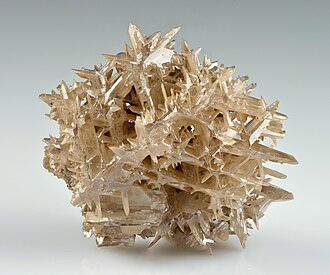
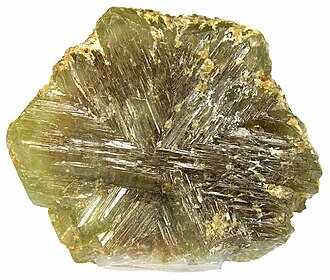
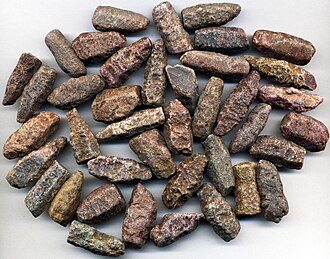
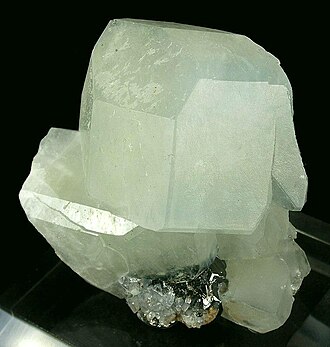
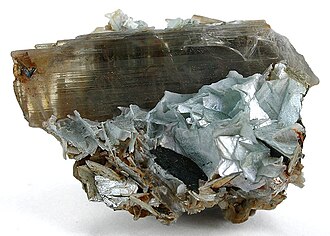
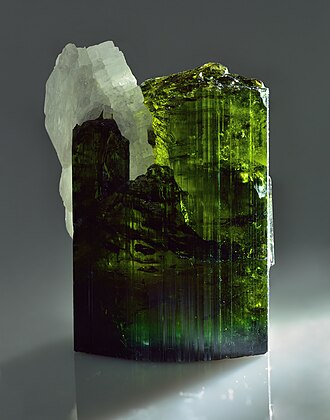
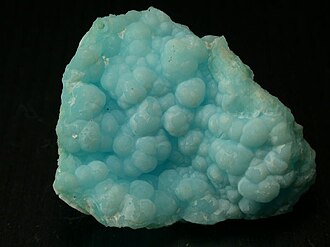
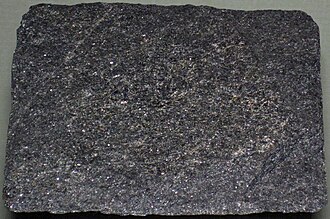
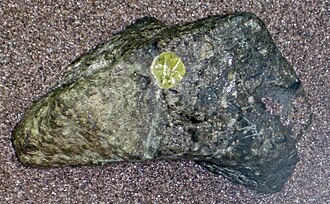
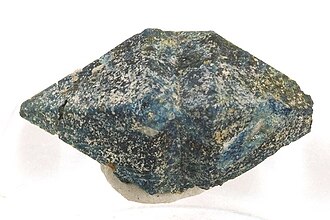
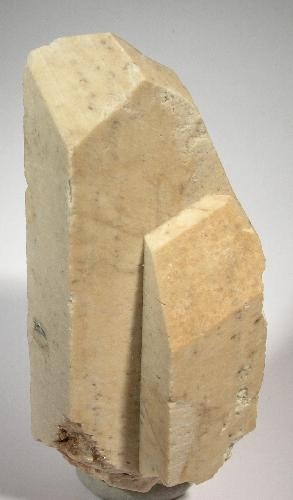
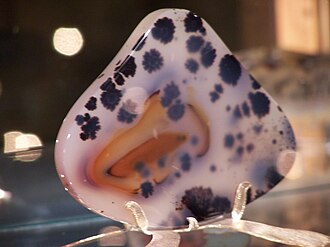
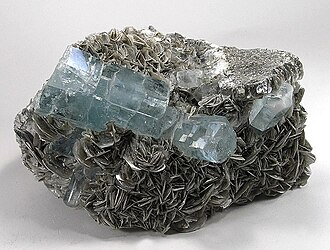
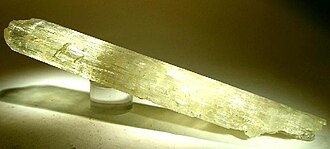
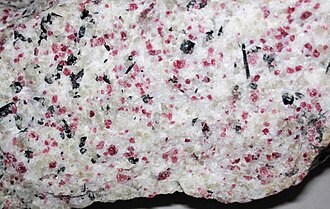
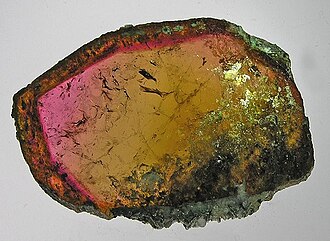
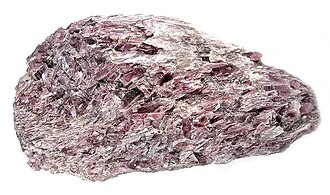
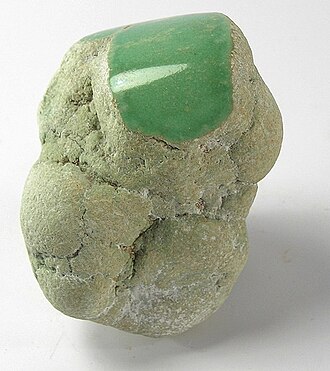
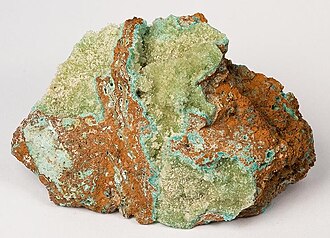
Emerald specimen: green and bluish green gemstoneEmeraldMohs 7.5 · vitreous · legendaryAlexandrite specimen: green in daylight and red in incandescent light gemstoneAlexandriteMohs 8.5 · vitreous · epicMoldavite specimen: forest green and olive green gemstoneMoldaviteMohs 5.5 · vitreous · rarePeridot specimen: yellow-green and olive green gemstonePeridotMohs 6.5 · vitreous · uncommonAmazonite specimen: blue-green and turquoise mineralAmazoniteMohs 6 · vitreous · uncommonChrysocolla specimen: blue-green and cyan mineralChrysocollaMohs 2.5 · vitreous · commonUnakite specimen: pink and green mottled and salmon metamorphic rockUnakiteMohs 6.5 · vitreous · commonGlass specimen: green and brown materialGlassMohs 5.5 · vitreous · commonActinolite specimen: green and dark green mineralActinoliteMohs 5–6 · Vitreous to silky · commonAegirine specimen: dark green and black mineralAegirineMohs 6–6.5 · Vitreous · commonAndradite specimen: yellow-green (demantoid) and brown mineralAndraditeMohs 6.5–7 · Vitreous to resinous/adamantine · commonApatite specimen: green and blue mineralApatiteMohs 5 · Vitreous to subresinous · commonAtacamite specimen: bright green and dark green mineralAtacamiteMohs 3–3.5 · Vitreous to adamantine · commonAventurine specimen: green and blue mineralAventurineMohs 6.5–7 · Vitreous, aventurescent (glittery) · commonBeryl specimen: green (emerald) and blue (aquamarine) mineralBerylMohs 7.5–8 · Vitreous · commonChlorite specimen: green and dark green mineralChloriteMohs 2–2.5 · Vitreous to pearly · commonChrysoprase specimen: apple-green and green (sometimes with darker spots) mineralChrysopraseMohs 6.5–7 · Waxy to vitreous · commonDiopside specimen: light to dark green and white mineralDiopsideMohs 5.5–6.5 · Vitreous · commonDioptase specimen: emerald green and bluish green mineralDioptaseMohs 5 · Vitreous · commonDunite specimen: olive green and yellowish green igneous rockDuniteMohs 6.5–7 · Vitreous (olivine grains) · commonEclogite specimen: green (omphacite) and red (garnet) metamorphic rockEclogiteMohs 6–7.5 · Vitreous (garnet and omphacite grains) · commonEpidote specimen: pistachio green and yellowish green mineralEpidoteMohs 6–7 · Vitreous · commonForsterite specimen: pale yellow-green and olive green mineralForsteriteMohs 6.5–7 · Vitreous · commonGlauconite specimen: green and dark green mineralGlauconiteMohs 2–3 · Dull to earthy, slightly vitreous · commonJadeite specimen: green and white gemstoneJadeiteMohs 6.75 · vitreous · rareOlivine specimen: olive green and yellowish green mineralOlivineMohs 6.5–7 · Vitreous · commonPeridotite specimen: green and dark green igneous rockPeridotiteMohs 5.5–7 · Vitreous (olivine and pyroxene grains) · commonPrasiolite specimen: green and pale green gemstonePrasioliteMohs 7 · vitreous · uncommonPrehnite specimen: green and yellow-green mineralPrehniteMohs 6.25 · vitreous · uncommonSmithsonite specimen: blue green and green mineralSmithsoniteMohs 4.5 · vitreous · uncommonTitanite specimen: green and yellow mineralTitaniteMohs 5.5 · adamantine · uncommonVesuvianite specimen: green and brown mineralVesuvianiteMohs 6.5 · vitreous · uncommonWavellite specimen: green and yellow mineralWavelliteMohs 3.75 · vitreous · uncommonZoisite specimen: green and pink mineralZoisiteMohs 6.5 · vitreous · uncommonSapphire specimen: blue and pink gemstoneSapphireMohs 9 · adamantine · rareLabradorite specimen: gray and blue flash mineralLabradoriteMohs 6 · vitreous · commonObsidian specimen: black and brown igneous rockObsidianMohs 5.5 · vitreous · commonAquamarine specimen: light blue and blue-green gemstoneAquamarineMohs 7.5 · vitreous · uncommonRainbow Obsidian specimen: black with rainbow sheen and purple igneous rockRainbow ObsidianMohs 5.5 · vitreous · uncommonGarnet specimen: red and orange gemstoneGarnetMohs 7 · vitreous · commonFluorite specimen: purple and green mineralFluoriteMohs 4 · vitreous · commonMarble specimen: white and gray metamorphic rockMarbleMohs 3.5 · vitreous · commonJasper specimen: red and yellow mineralJasperMohs 7 · vitreous · commonKyanite specimen: blue and green mineralKyaniteMohs 5 · vitreous · uncommonZircon specimen: colorless and blue gemstoneZirconMohs 7.5 · adamantine · uncommonCalcite specimen: colorless and white mineralCalciteMohs 3 · vitreous · commonSlag Glass specimen: blue and green materialSlag GlassMohs 5.5 · vitreous · commonAlbite specimen: white and colorless mineralAlbiteMohs 6–6.5 · Vitreous, pearly on cleavage · commonAnalcime specimen: colorless and white mineralAnalcimeMohs 5–5.5 · Vitreous · commonAndalusite specimen: reddish brown and olive green mineralAndalusiteMohs 6.5–7.5 · Vitreous · commonAndesite specimen: gray and dark gray igneous rockAndesiteMohs 5–6 · Dull groundmass with vitreous phenocrysts · commonApophyllite specimen: colorless and white mineralApophylliteMohs 4.5–5 · Vitreous, pearly on cleavage · commonAugite specimen: black and dark green mineralAugiteMohs 5.5–6 · Vitreous to resinous · commonAxinite specimen: clove-brown and violet-brown mineralAxiniteMohs 6.5–7 · Vitreous · commonBiotite specimen: black and dark brown mineralBiotiteMohs 2.5–3 · Vitreous to pearly (splendent on cleavage) · commonBrucite specimen: white and pale green mineralBruciteMohs 2.5 · vitreous · uncommonCelestine specimen: colorless and pale blue mineralCelestineMohs 3–3.5 · Vitreous, pearly on cleavage · commonCerussite specimen: colorless and white mineralCerussiteMohs 3–3.5 · Adamantine to vitreous/resinous · commonChrysoberyl specimen: yellow and greenish-yellow mineralChrysoberylMohs 8.5 · Vitreous · commonCorundum specimen: red (ruby) and blue (sapphire) mineralCorundumMohs 9 · Adamantine to vitreous · commonDatolite specimen: colorless and white mineralDatoliteMohs 5–5.5 · Vitreous, slightly greasy · commonDiaspore specimen: colorless and white mineralDiasporeMohs 6.5–7 · Vitreous to pearly on cleavage · commonElbaite specimen: pink and green mineralElbaiteMohs 7–7.5 · Vitreous · commonFeldspar specimen: white and pink mineralFeldsparMohs 6–6.5 · Vitreous to pearly · commonGabbro specimen: dark gray and black igneous rockGabbroMohs 5–6.5 · Dull to vitreous (in crystals) · commonGibbsite specimen: white and gray mineralGibbsiteMohs 2.5–3.5 · Vitreous, pearly on cleavage, dull when earthy · commonGrossular specimen: colorless and green mineralGrossularMohs 6.5–7.5 · Vitreous to resinous · commonHauyne specimen: blue and sky blue mineralHauyneMohs 5.5–6 · Vitreous to greasy · commonHemimorphite specimen: white and colorless mineralHemimorphiteMohs 4.5–5 · Vitreous, silky when fibrous · commonHornblende specimen: black and dark green mineralHornblendeMohs 5–6 · Vitreous to silky · commonKimberlite specimen: blue-gray ('blue ground') and yellow ('yellow ground', weathered) igneous rockKimberliteMohs 5–6.5 · Dull to vitreous · commonLazulite specimen: blue and sky blue mineralLazuliteMohs 5.75 · vitreous · rareMicrocline specimen: white and cream mineralMicroclineMohs 6 · vitreous · commonMoss Agate specimen: colorless and white gemstoneMoss AgateMohs 6.75 · vitreous · commonMuscovite specimen: colorless and silvery white mineralMuscoviteMohs 2–4 · Vitreous to pearly/silky · commonNepheline specimen: colorless and white mineralNephelineMohs 6 · vitreous · uncommonPorphyry specimen: purple and red igneous rockPorphyryMohs 5–7 · Dull to vitreous · commonSchist specimen: silver-gray and golden (mica-rich) metamorphic rockSchistMohs 2.5–7 · Vitreous to silky/glittery (mica-rich) · commonShale specimen: gray and black sedimentary rockShaleMohs 2–3 · Dull to earthy (slightly sub-vitreous if micaceous) · commonSillimanite specimen: white and gray mineralSillimaniteMohs 7 · vitreous · uncommonSpodumene specimen: pink and lilac mineralSpodumeneMohs 6.75 · vitreous · uncommonSyenite specimen: gray and pink igneous rockSyeniteMohs 5.5–6.5 · Vitreous (feldspar crystals) · commonTourmaline specimen: black and green mineralTourmalineMohs 7–7.5 · Vitreous · commonTremolite specimen: white and gray mineralTremoliteMohs 5.5 · vitreous · commonTuff specimen: light gray and tan igneous rockTuffMohs 2–5 · Dull to earthy; glassy shards may show vitreous luster · commonVivianite specimen: blue and green mineralVivianiteMohs 1.75 · vitreous · uncommon

Waxy, silky or pearly green rocks (22)
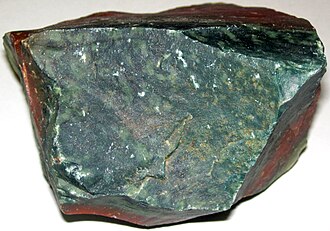
Dull or earthy green rocks (16)
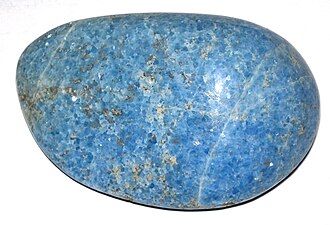
Frequently asked questions

What is a green shiny rock most likely to be?

Shiny green rocks are usually Malachite, Chrysocolla, Bloodstone, and Unakite. Check whether the shine is metallic or glassy, then test hardness against glass to narrow it further.

How do I identify a green rock at home?

Rinse it, look at the luster and grain under good light, scratch it against glass and a steel knife to bracket its Mohs hardness, and rub it on unglazed porcelain to see the streak color. Compare the results with the green candidates on this page, or scan it with the StoneSnap app for an instant match.

Are green rocks valuable?

Most green rocks are common and worth a few dollars as specimens, but gem-grade material such as Emerald, Sapphire, and Turquoise can be worth far more. Each page lists a typical value range.

Not sure what you found?

Snap a photo with StoneSnap and get an instant match with properties, value estimates and look-alikes — free to try.

Download on the App StoreGet it on Google Play