StoneSnapDownload

Red Rocks, Minerals & Gemstones

Found a red rock and want a name for it? This guide lists all 79 red rocks, minerals and gemstones in the StoneSnap database, from common finds like Garnet, Jasper, and Bloodstone to collector specimens.

Color alone rarely identifies a specimen, so start with luster (43 glassy, 15 dull or earthy, 11 waxy, silky or pearly, and 10 metallic in this list), then check hardness with a scratch test and streak color. Each card links to a full identification guide with tests, look-alikes and value.

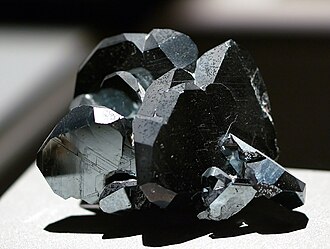
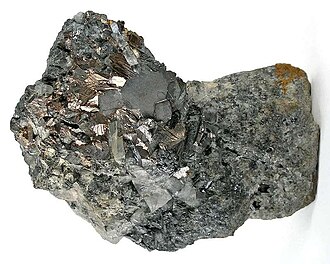
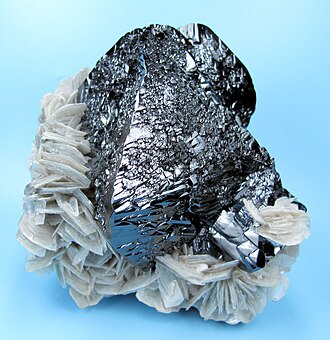
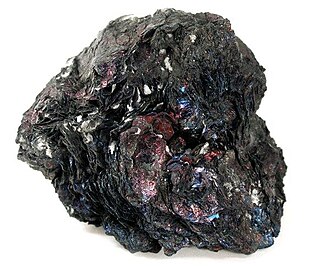
Metallic red rocks (10)
Glassy red rocks (43)
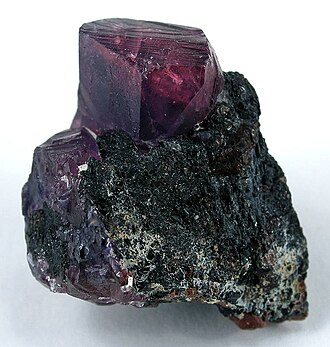
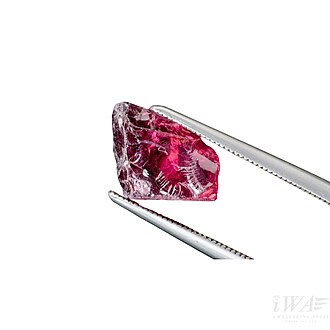
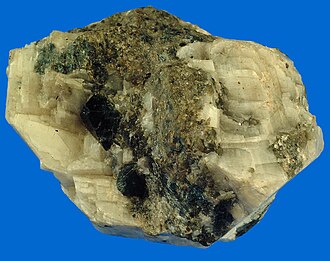
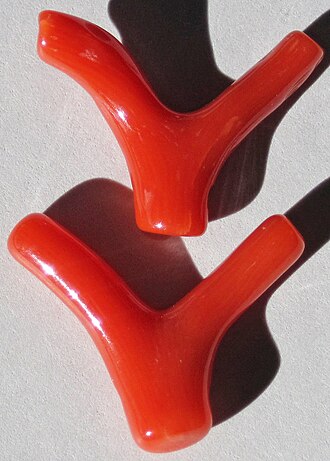
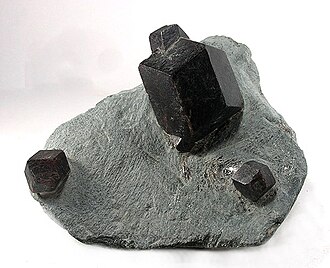
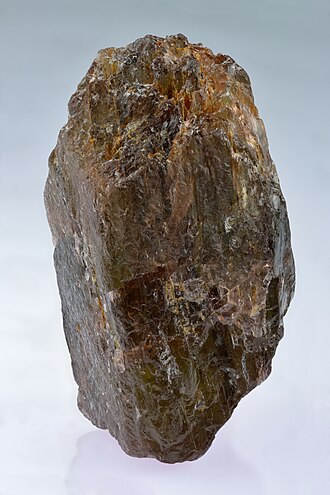
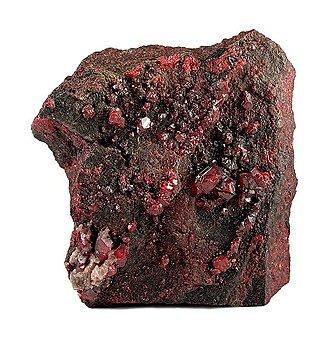
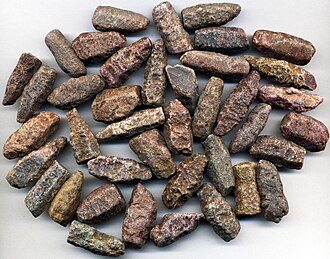
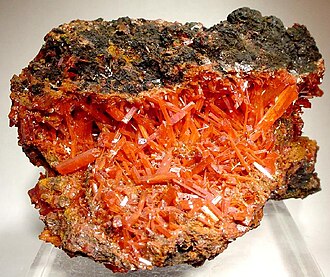
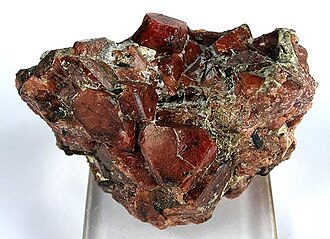
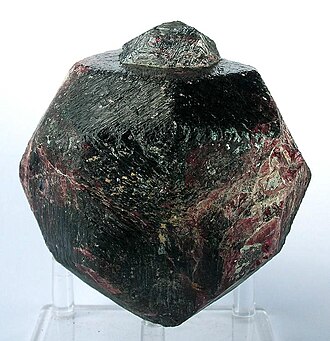
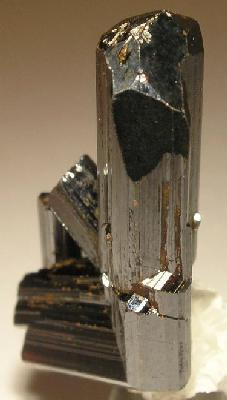
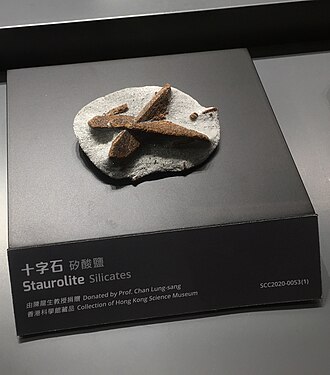
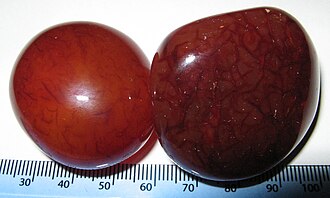
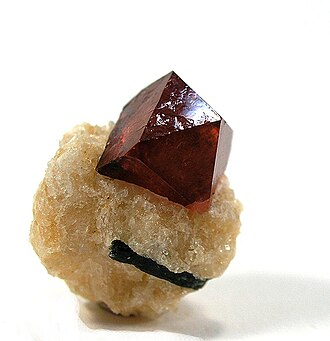
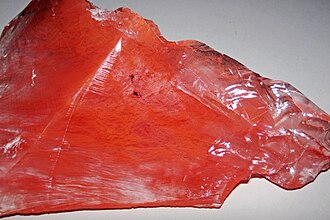
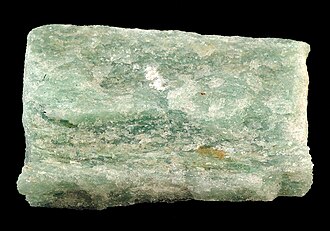
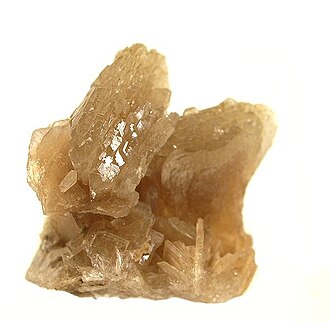
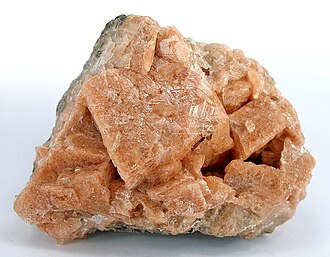
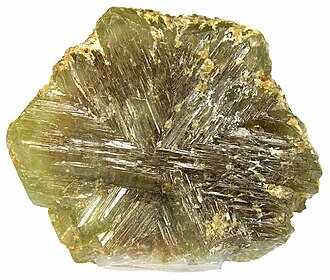
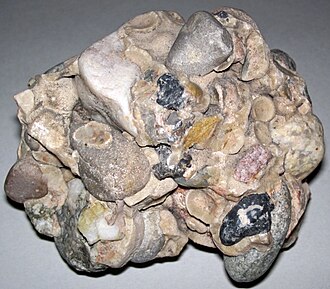
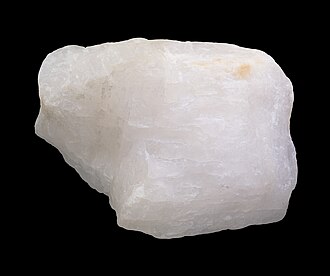
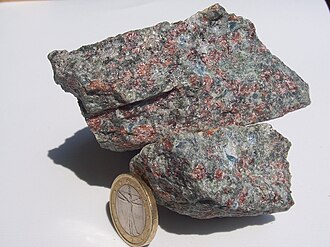
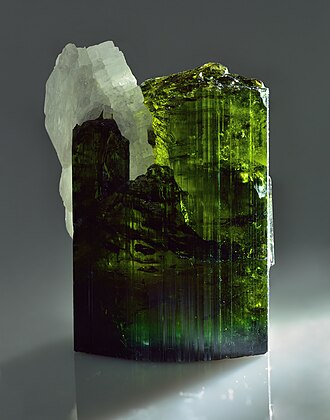
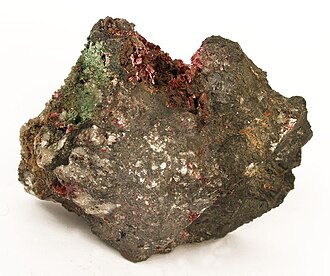
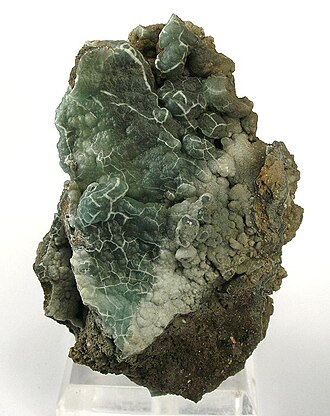
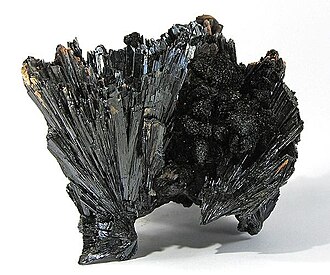
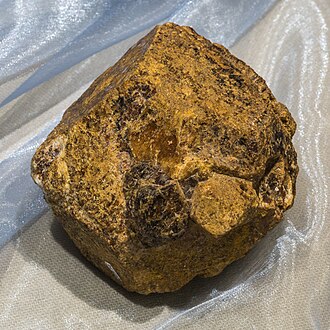
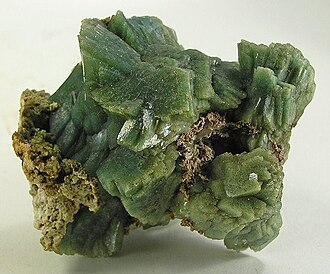
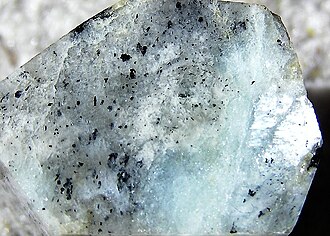
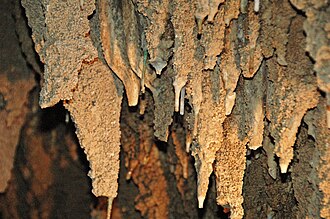
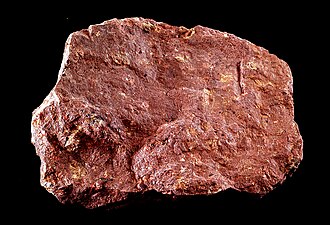
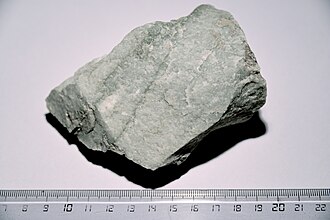
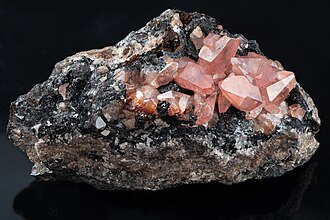
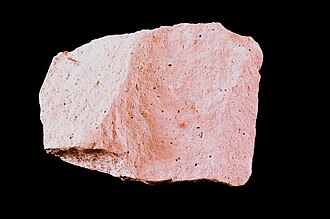
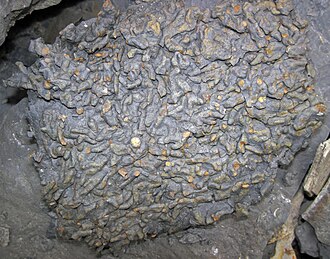
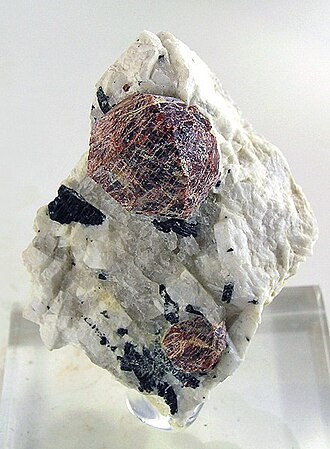
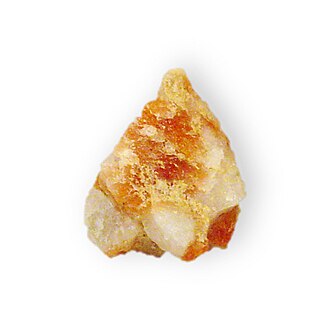
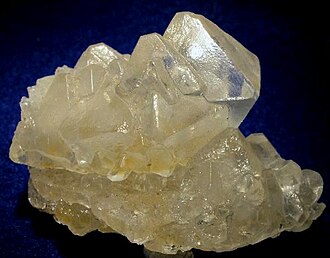
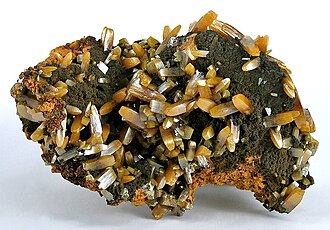
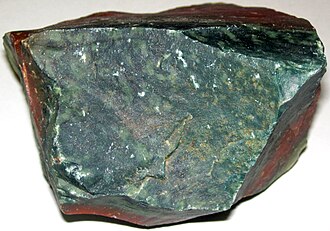
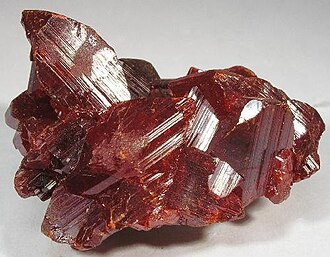
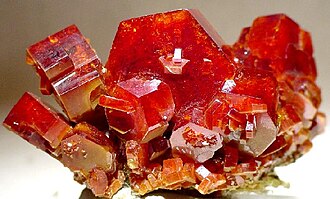
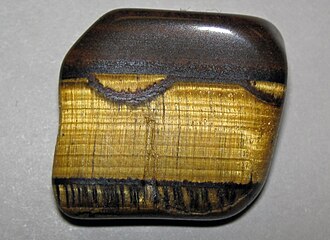
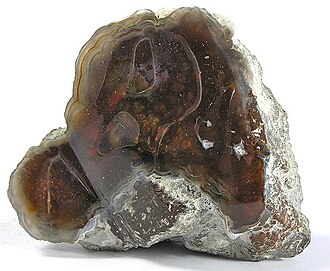
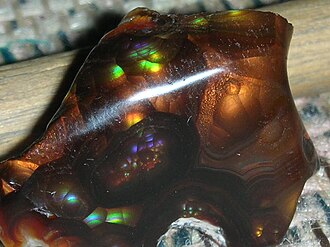
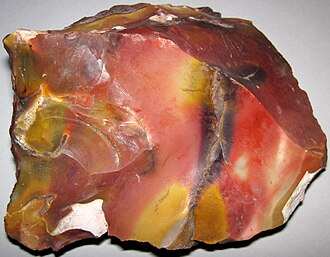
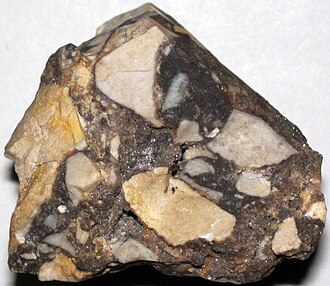
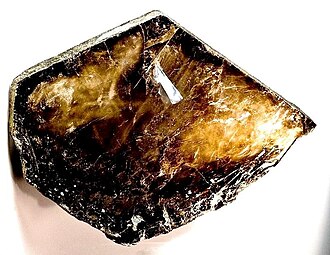
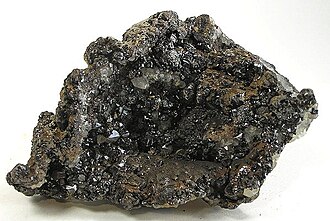
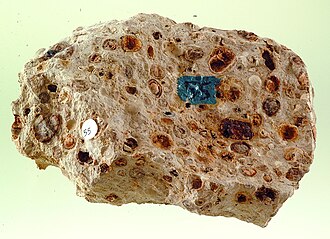
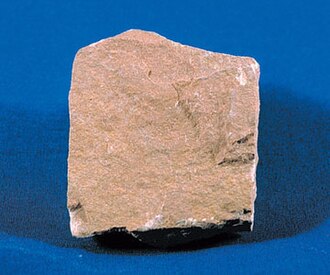
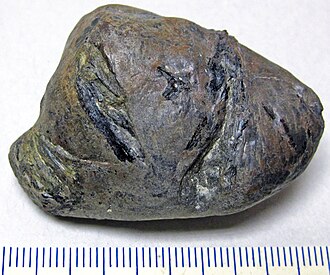
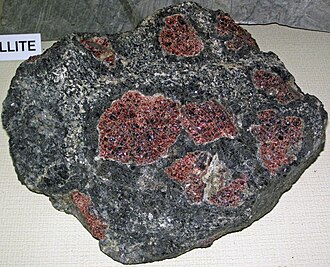
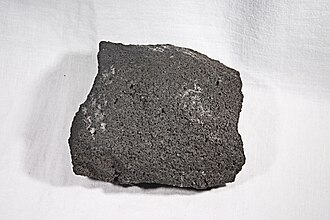
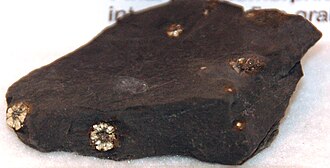
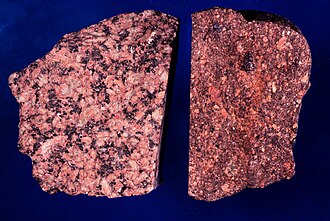
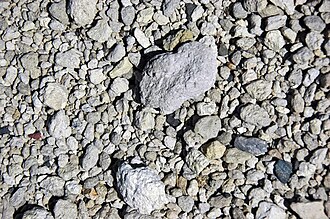
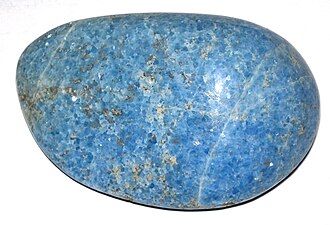
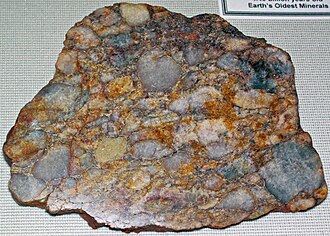
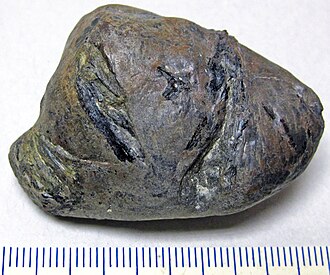
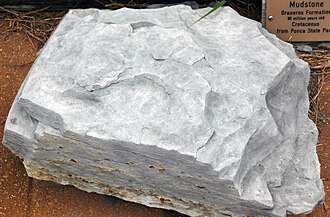
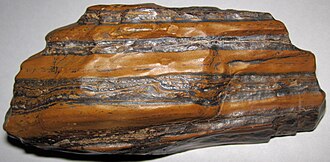
Ruby specimen: red and pinkish red gemstoneRubyMohs 9 · adamantine · rareGarnet specimen: red and orange gemstoneGarnetMohs 7 · vitreous · commonSpinel specimen: red and pink gemstoneSpinelMohs 8 · vitreous · uncommonJasper specimen: red and yellow mineralJasperMohs 7 · vitreous · commonRed Coral specimen: red and pink gemstoneRed CoralMohs 3.5 · vitreous · rareAlmandine specimen: deep red and reddish brown mineralAlmandineMohs 7–7.5 · Vitreous to resinous · commonAndalusite specimen: reddish brown and olive green mineralAndalusiteMohs 6.5–7.5 · Vitreous · commonCinnabar specimen: red and brownish red mineralCinnabarMohs 2–2.5 · Adamantine to dull/earthy · commonCorundum specimen: red (ruby) and blue (sapphire) mineralCorundumMohs 9 · Adamantine to vitreous · commonCrocoite specimen: bright orange-red and red mineralCrocoiteMohs 2.5–3 · Adamantine to vitreous/resinous · commonEudialyte specimen: red and pink mineralEudialyteMohs 5–5.5 · Vitreous to greasy · commonPyrope specimen: red and deep red gemstonePyropeMohs 7.25 · vitreous · uncommonRutile specimen: reddish brown and black mineralRutileMohs 6.5 · adamantine · commonScoria specimen: dark red and black igneous rockScoriaMohs 5–6 · Dull, glassy · commonStaurolite specimen: reddish brown and brown mineralStauroliteMohs 7.25 · vitreous · uncommonAlexandrite specimen: green in daylight and red in incandescent light gemstoneAlexandriteMohs 8.5 · vitreous · epicCarnelian specimen: orange and red-orange mineralCarnelianMohs 7 · vitreous · commonZircon specimen: colorless and blue gemstoneZirconMohs 7.5 · adamantine · uncommonCherry Quartz specimen: pink and red materialCherry QuartzMohs 5.5 · vitreous · commonAventurine specimen: green and blue mineralAventurineMohs 6.5–7 · Vitreous, aventurescent (glittery) · commonBaryte specimen: colorless and white mineralBaryteMohs 3–3.5 · Vitreous, pearly on cleavage · commonChabazite specimen: white and colorless mineralChabaziteMohs 4–5 · Vitreous · commonChrysoberyl specimen: yellow and greenish-yellow mineralChrysoberylMohs 8.5 · Vitreous · commonConglomerate specimen: variegated and gray sedimentary rockConglomerateMohs 3–7 · Variable; dull matrix to vitreous clasts · commonCryolite specimen: colorless and white mineralCryoliteMohs 2.5–3 · Vitreous to greasy or pearly · commonEclogite specimen: green (omphacite) and red (garnet) metamorphic rockEclogiteMohs 6–7.5 · Vitreous (garnet and omphacite grains) · commonElbaite specimen: pink and green mineralElbaiteMohs 7–7.5 · Vitreous · commonErythrite specimen: pink and crimson red mineralErythriteMohs 1.5–2.5 · Vitreous, pearly on cleavage, silky · commonGibbsite specimen: white and gray mineralGibbsiteMohs 2.5–3.5 · Vitreous, pearly on cleavage, dull when earthy · commonGoethite specimen: brown and yellowish brown mineralGoethiteMohs 5–5.5 · Adamantine to dull/earthy, silky · commonHessonite specimen: orange-brown and cinnamon mineralHessoniteMohs 6.5–7 · Vitreous to resinous · commonHeulandite specimen: white and colorless mineralHeulanditeMohs 3.5–4 · Vitreous, pearly on cleavage · commonNepheline specimen: colorless and white mineralNephelineMohs 6 · vitreous · uncommonOnyx specimen: mineralOnyxMohs 6.5–7 · Waxy to vitreous · commonPorphyry specimen: purple and red igneous rockPorphyryMohs 5–7 · Dull to vitreous · commonQuartzite specimen: white and gray metamorphic rockQuartziteMohs 7 · Vitreous to sugary/granular · commonRhodochrosite specimen: pink and rose red mineralRhodochrositeMohs 3.75 · vitreous · uncommonRhyolite specimen: pink and gray igneous rockRhyoliteMohs 5.5–7 · Dull to vitreous (glassy groundmass) · commonShale specimen: gray and black sedimentary rockShaleMohs 2–3 · Dull to earthy (slightly sub-vitreous if micaceous) · commonSpessartine specimen: orange and red mineralSpessartineMohs 7 · vitreous · uncommonSunstone specimen: orange and red gemstoneSunstoneMohs 6.5 · vitreous · uncommonSylvite specimen: colorless and white mineralSylviteMohs 2 · vitreous · uncommonWulfenite specimen: orange and yellow mineralWulfeniteMohs 3 · adamantine · uncommon

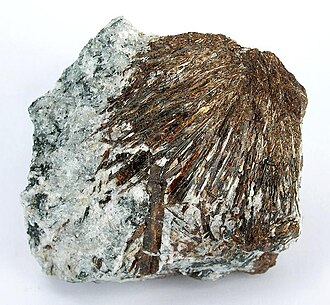
Waxy, silky or pearly red rocks (11)
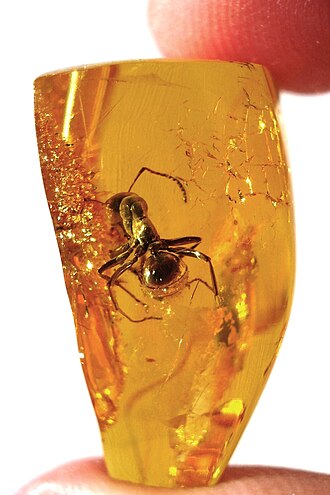
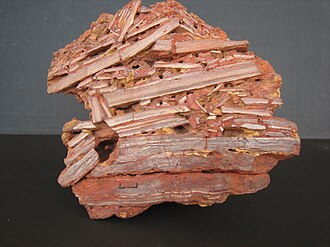
Dull or earthy red rocks (15)
Frequently asked questions

What is a red shiny rock most likely to be?

Shiny red rocks are usually Garnet, Jasper, Bloodstone, and Almandine. Check whether the shine is metallic or glassy, then test hardness against glass to narrow it further.

How do I identify a red rock at home?

Rinse it, look at the luster and grain under good light, scratch it against glass and a steel knife to bracket its Mohs hardness, and rub it on unglazed porcelain to see the streak color. Compare the results with the red candidates on this page, or scan it with the StoneSnap app for an instant match.

Are red rocks valuable?

Most red rocks are common and worth a few dollars as specimens, but gem-grade material such as Ruby, Alexandrite, and Amber can be worth far more. Each page lists a typical value range.

Not sure what you found?

Snap a photo with StoneSnap and get an instant match with properties, value estimates and look-alikes — free to try.

Download on the App StoreGet it on Google Play