
Shiny Yellow Rocks & Minerals
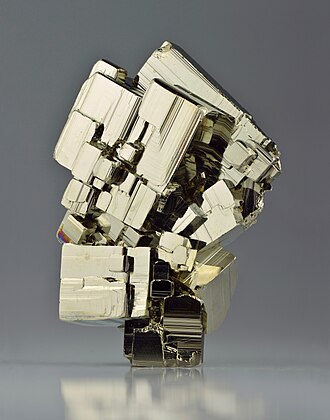
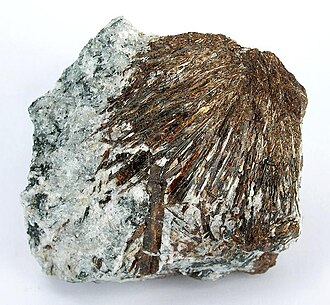
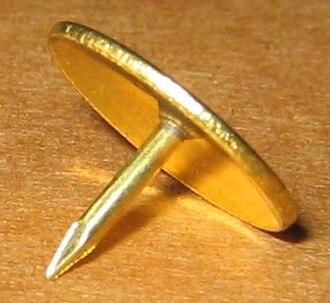
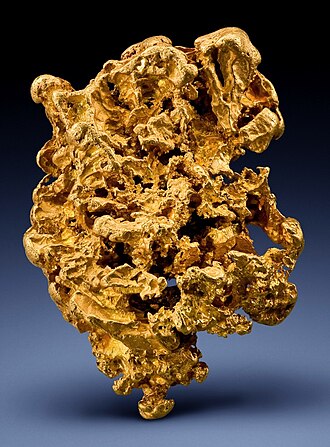
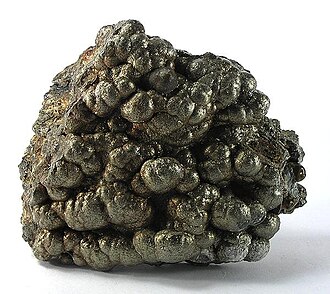
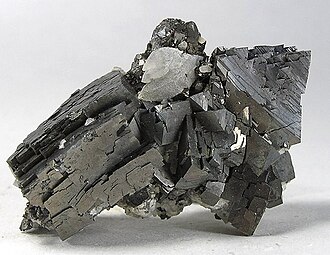
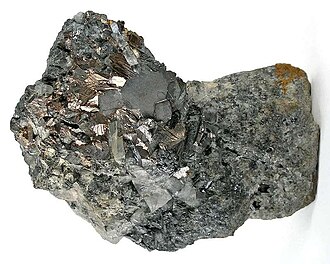
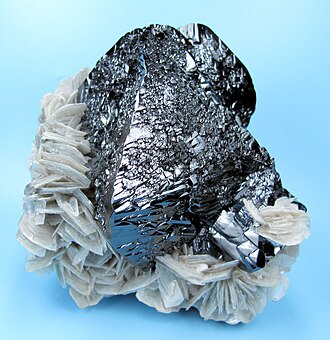
A shiny yellow rock is one of the most common identification questions. The shine is the first clue: 14 of the 97 candidates below have a true metallic luster (Pyrite, Astrophyllite, and Brass), while 67 are glassy like broken bottle glass (Citrine, Peridot, and Ametrine).
Metallic-looking stones are usually sulfides, oxides or native metals and feel heavy; glassy ones are typically silicates, quartz varieties or volcanic glass. Hardness and streak settle most cases.
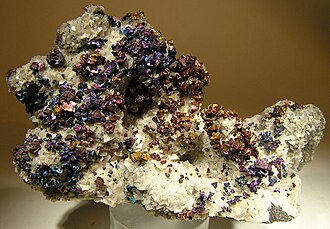
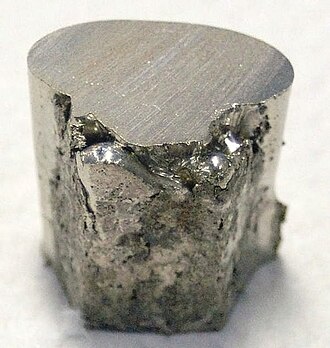
Metallic shiny yellow rocks (14)
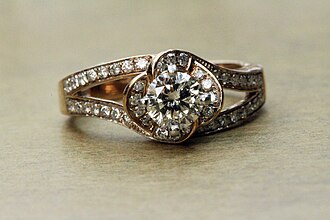
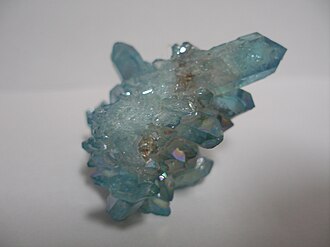
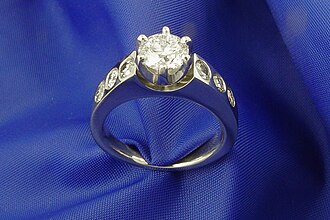
Glassy shiny yellow rocks (67)
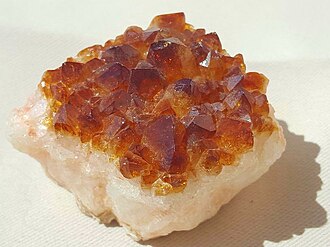 Citrine
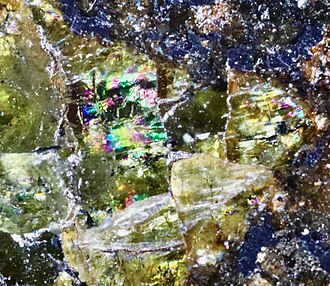 Peridot
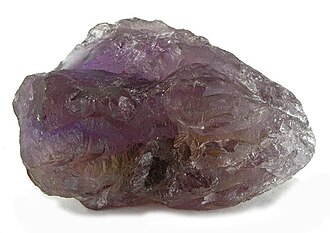 Ametrine
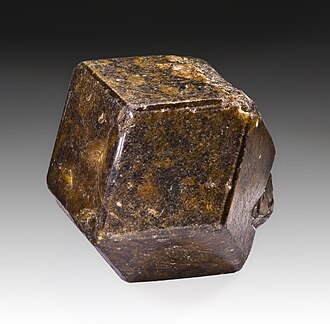 Andradite
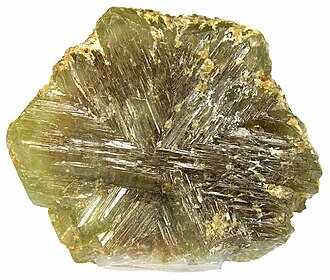 Chrysoberyl
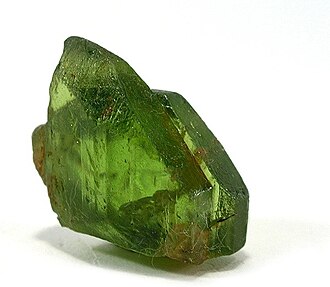 Forsterite
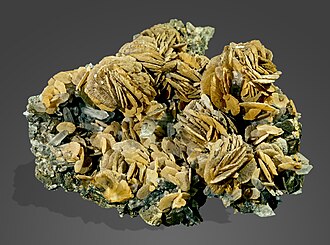 Siderite
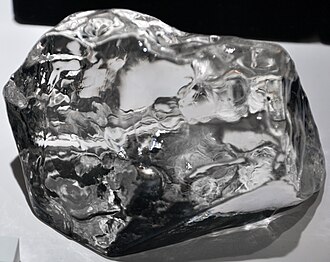 Diamond
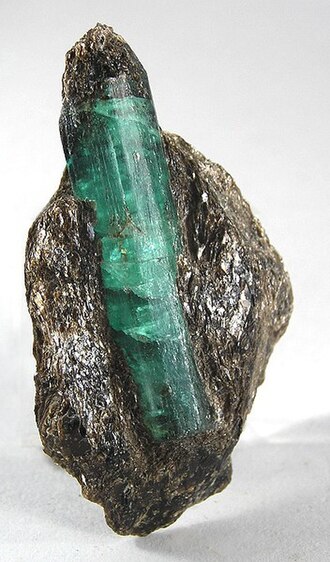 Emerald
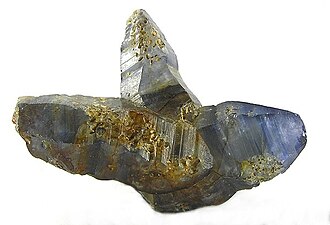 Sapphire
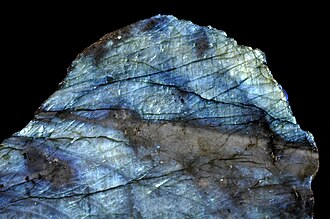 Labradorite
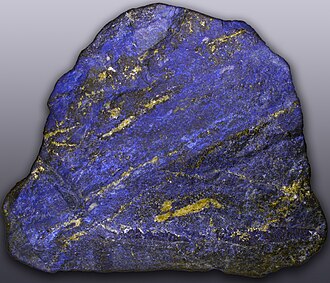 Lapis Lazuli
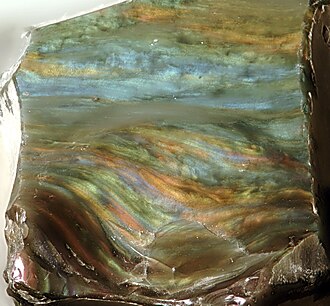 Rainbow Obsidian
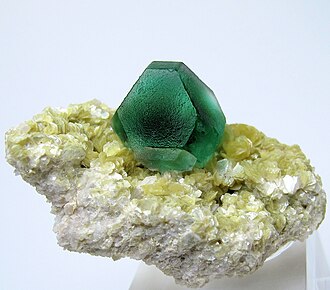 Fluorite
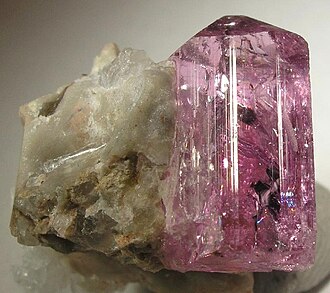 Topaz
Topaz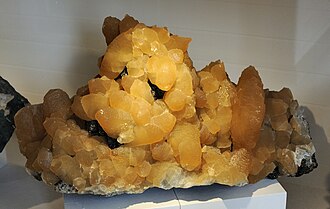 Jasper
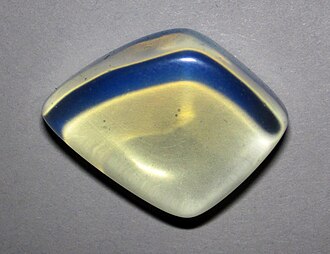 Opalite
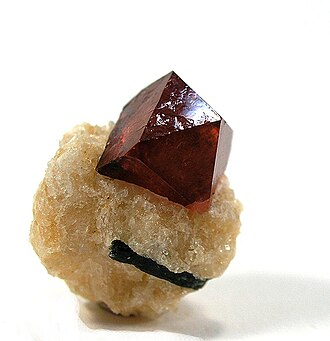 Zircon
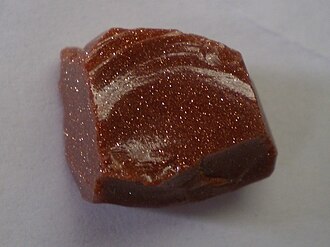 Goldstone
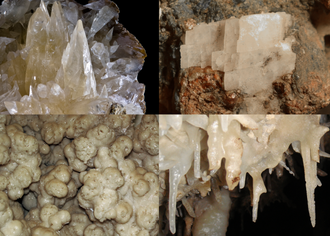 Calcite
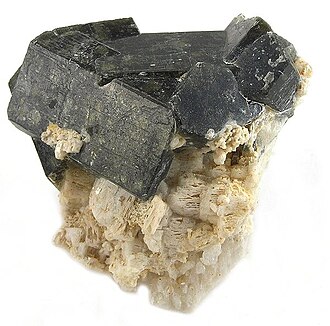 Apatite
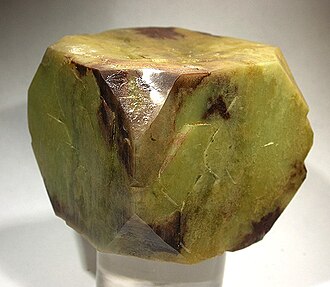 Apophyllite
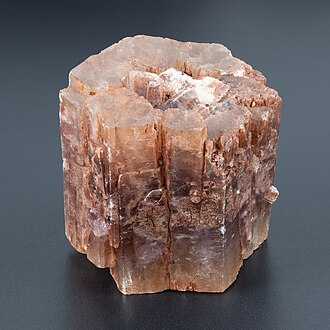 Aragonite
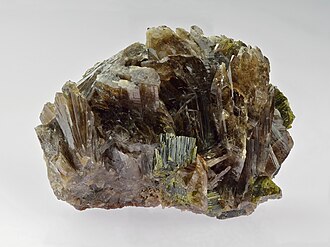 Axinite
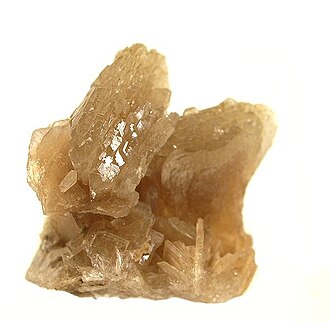 Baryte
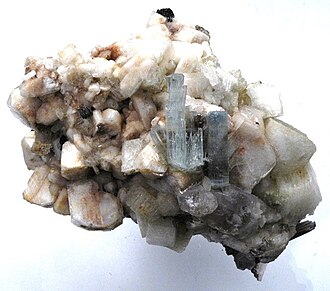 Beryl
Beryl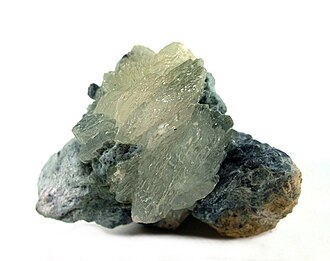 Brucite
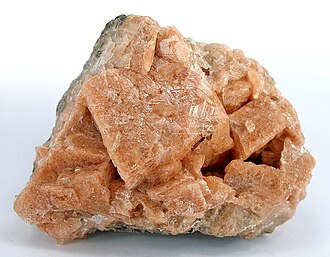 Chabazite
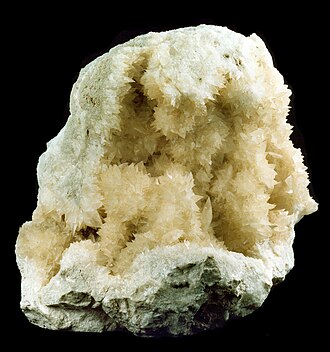 Colemanite
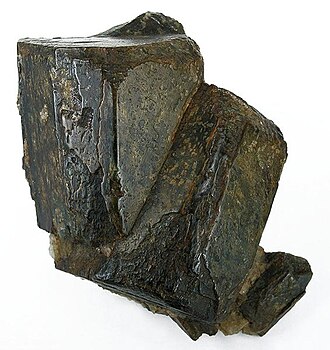 Cordierite
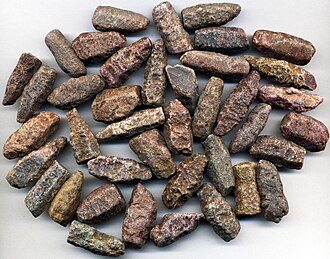 Corundum
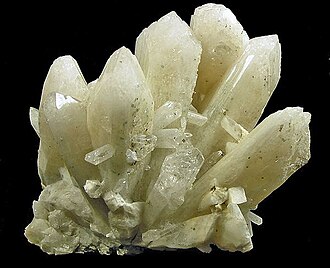 Danburite
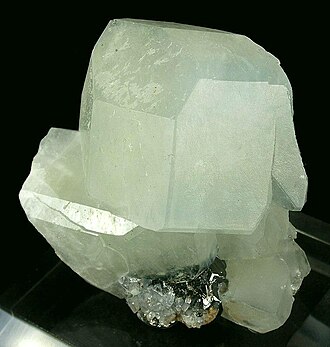 Datolite
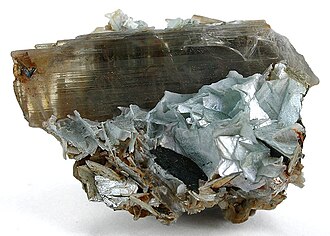 Diaspore
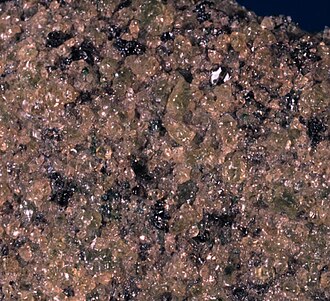 Dunite
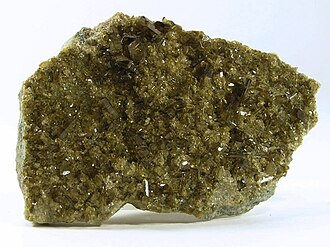 Epidote
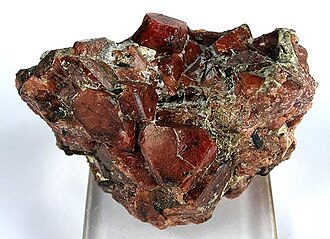 Eudialyte
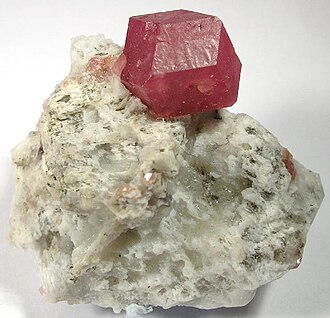 Grossular
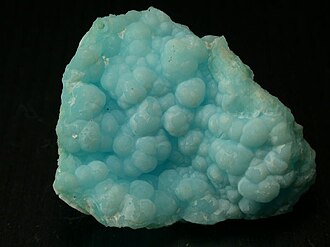 Hemimorphite
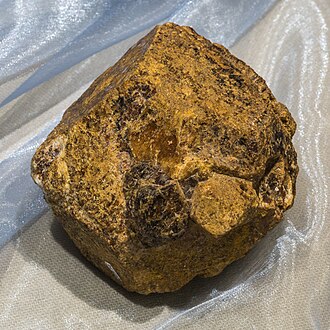 Hessonite
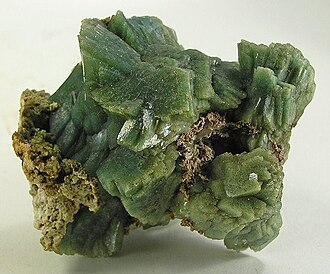 Heulandite
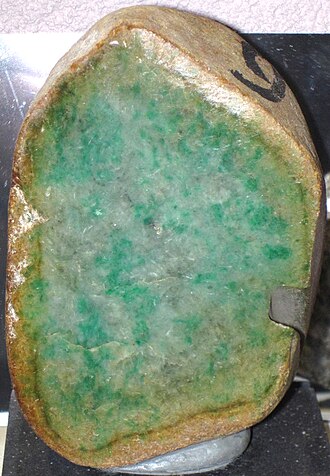 Jadeite
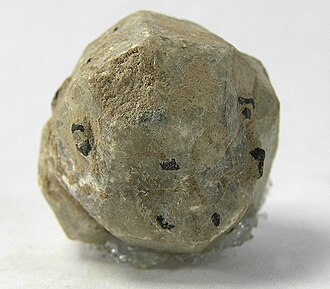 Leucite
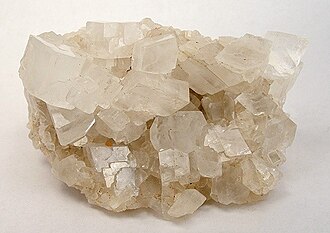 Magnesite
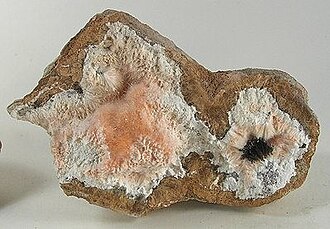 Natrolite
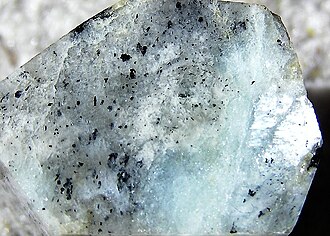 Nepheline
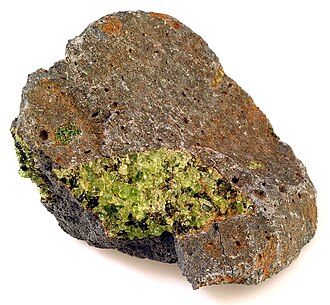 Olivine
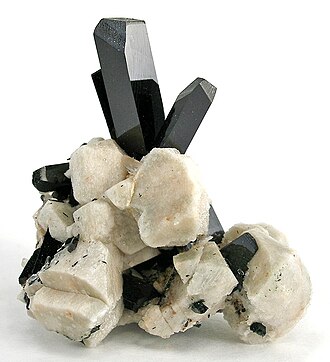 Orthoclase
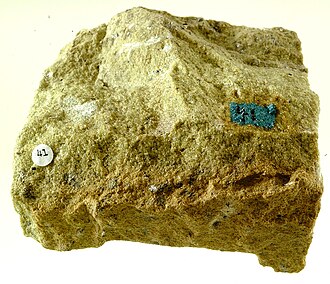 Peridotite
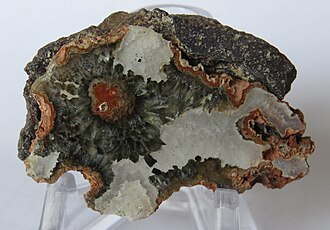 Prasiolite
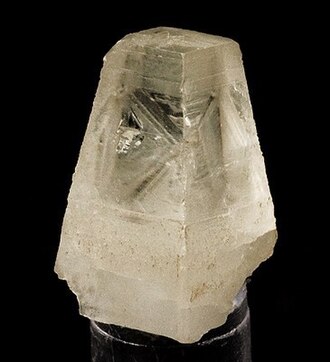 Prehnite
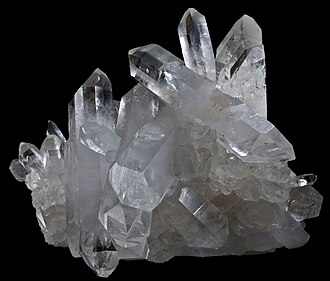 Quartz
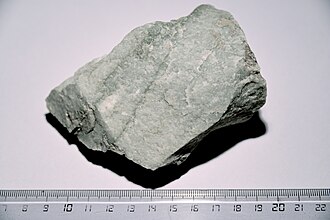 Quartzite
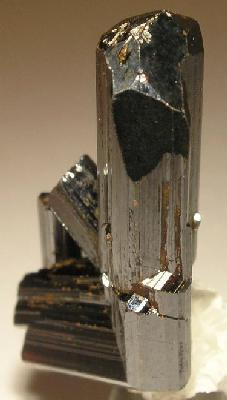 Rutile
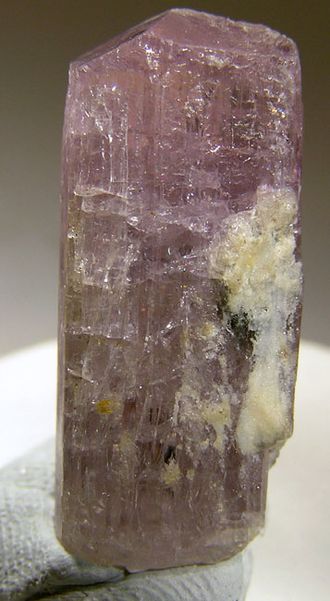 Scapolite
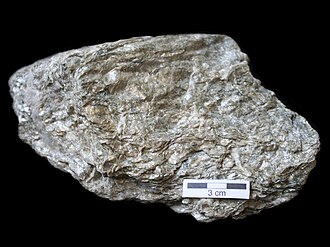 Schist
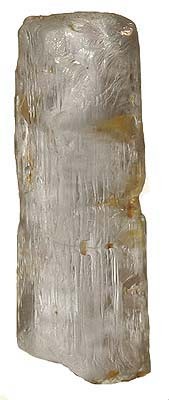 Sillimanite
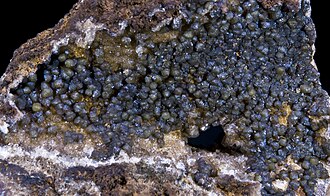 Smithsonite
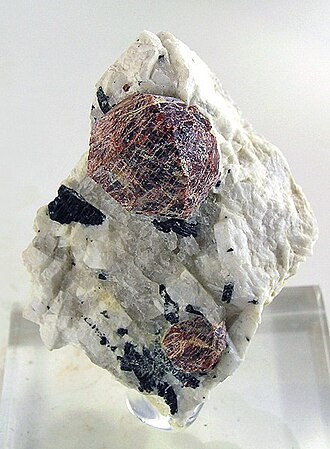 Spessartine
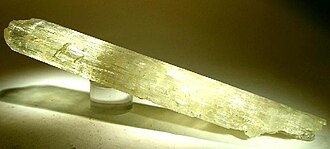 Spodumene
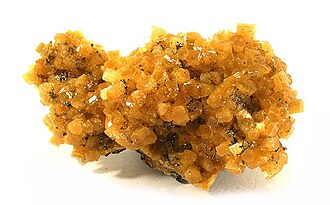 Stilbite
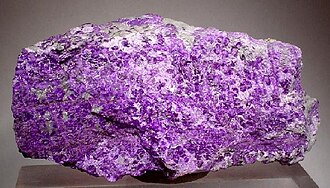 Sugilite
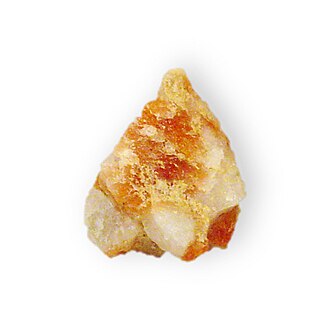 Sunstone
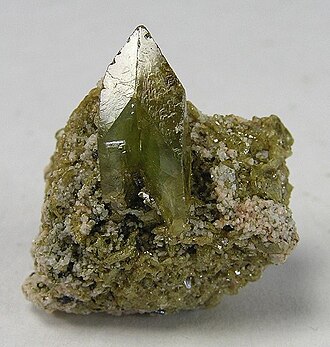 Titanite
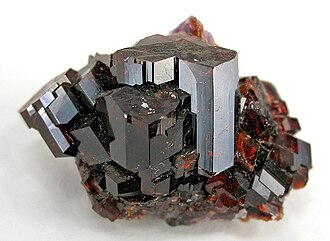 Vesuvianite
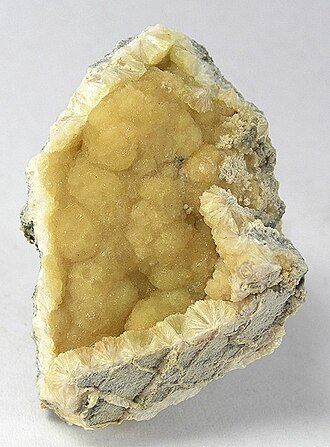 Wavellite
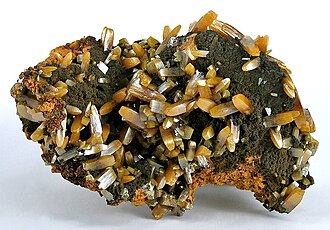 Wulfenite
Waxy, silky or pearly shiny yellow rocks (16)
Frequently asked questions
Is my shiny yellow rock a meteorite?
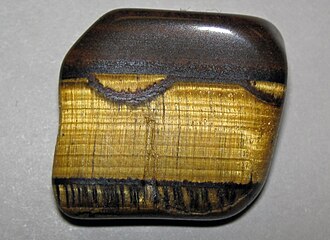
Almost never. Meteorites are rare, heavy, magnetic and usually have a dull dark fusion crust rather than a bright shine. Shiny yellow finds are far more likely to be Tiger's Eye, Pyrite, and Ametrine.
How can I tell a metallic rock from a glassy one?
Metallic luster reflects light like polished metal and the stone is opaque even at thin edges; glassy (vitreous) luster looks like glass and thin edges often let light through. Metallic minerals also tend to leave a colored streak on unglazed porcelain.
Not sure what you found?
Snap a photo with StoneSnap and get an instant match with properties, value estimates and look-alikes — free to try.

