StoneSnapDownload

Shiny Black Rocks & Minerals

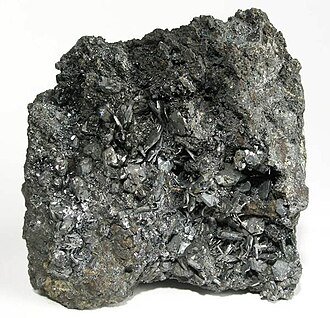
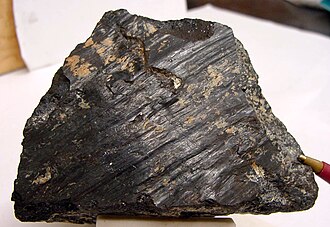
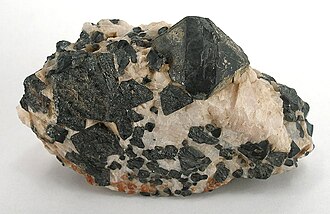
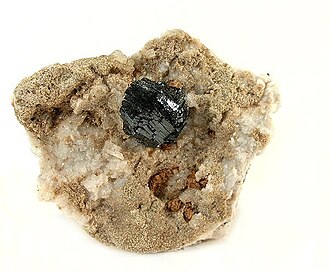
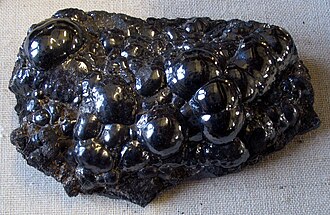
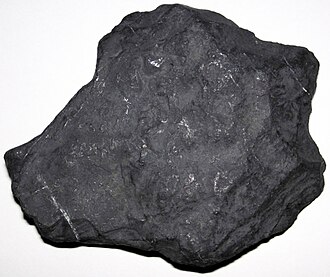
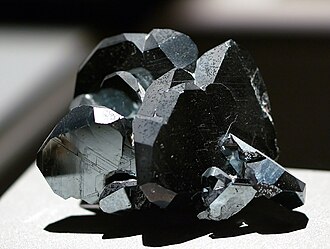
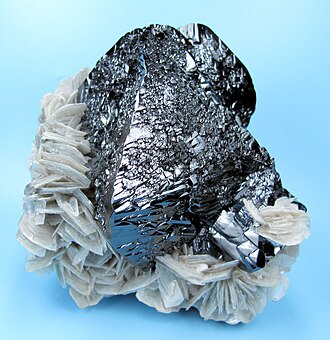
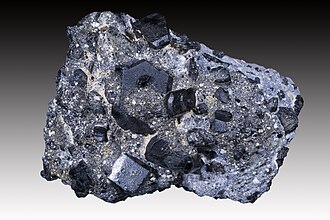
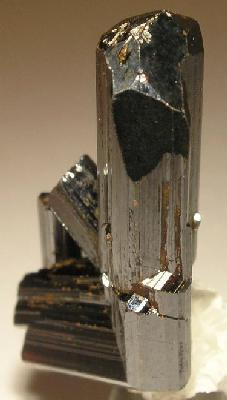
A shiny black rock is one of the most common identification questions. The shine is the first clue: 12 of the 60 candidates below have a true metallic luster (Anthracite, Chalcocite, and Chromite), while 36 are glassy like broken bottle glass (Obsidian, Rainbow Obsidian, and Augite).

Metallic-looking stones are usually sulfides, oxides or native metals and feel heavy; glassy ones are typically silicates, quartz varieties or volcanic glass. Hardness and streak settle most cases.

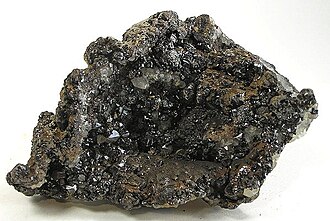
Metallic shiny black rocks (12)
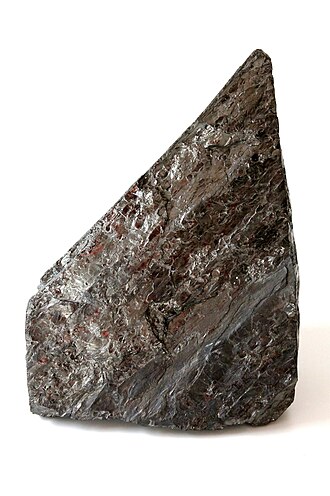
Glassy shiny black rocks (36)
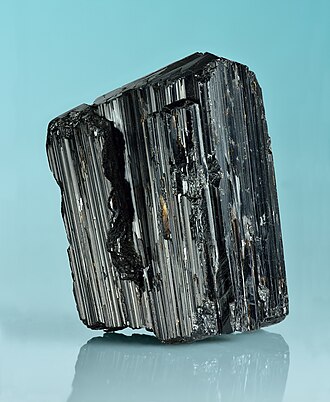
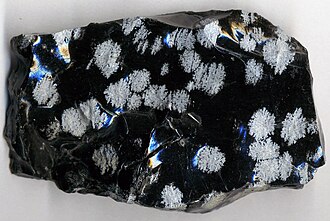
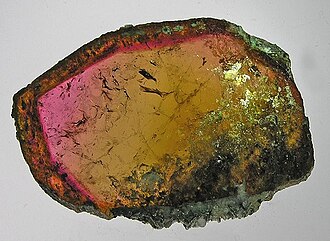
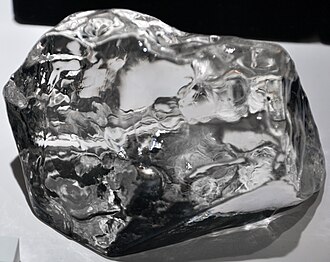
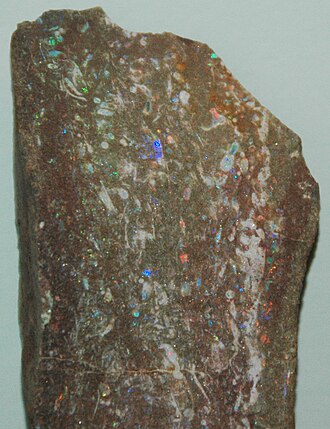
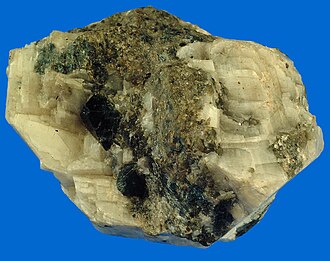
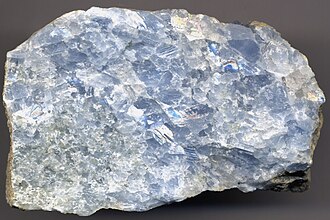
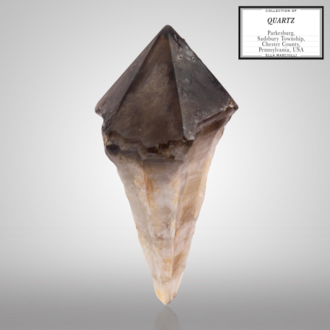
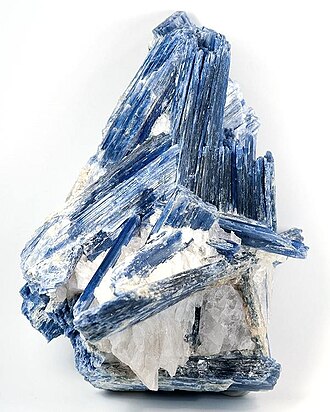
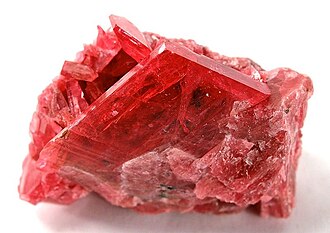
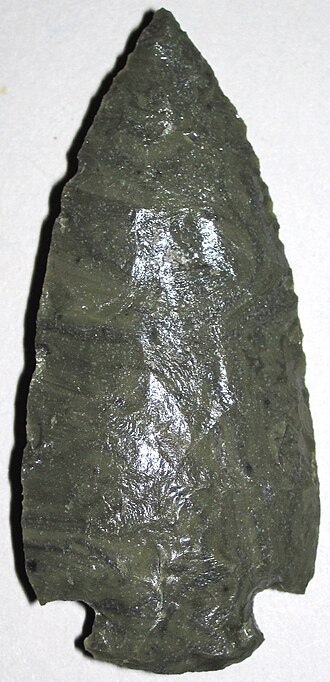
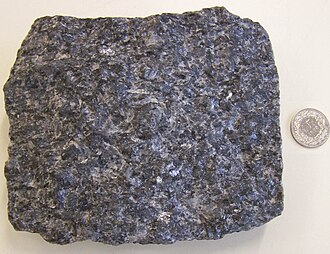
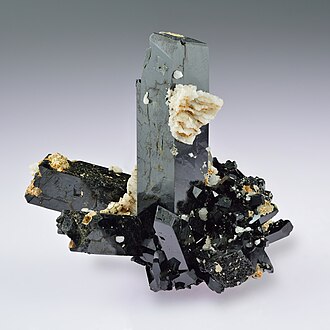
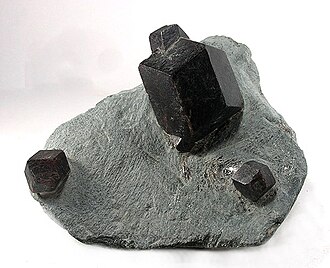
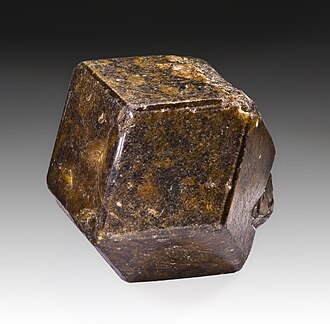
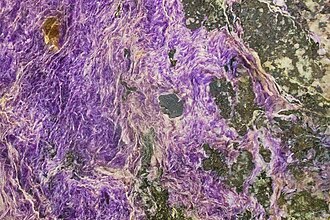
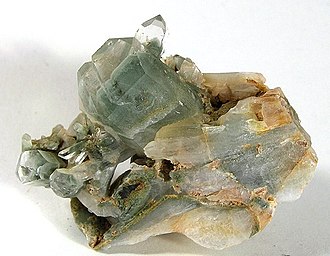
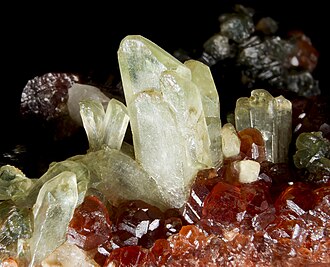
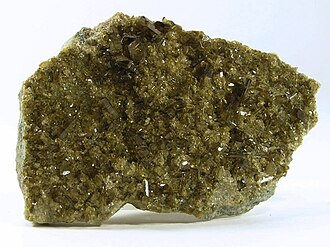
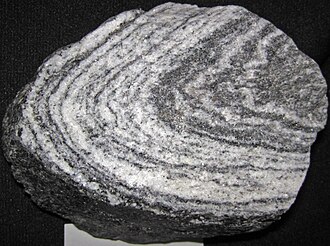
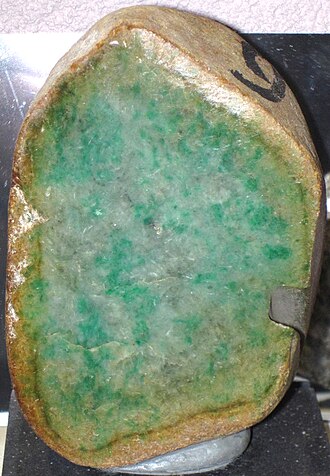
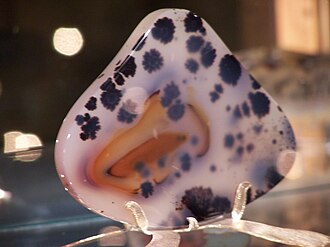
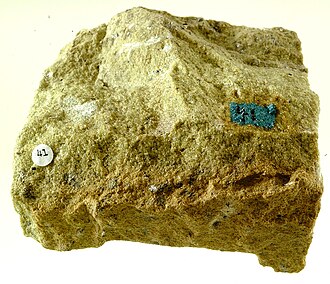
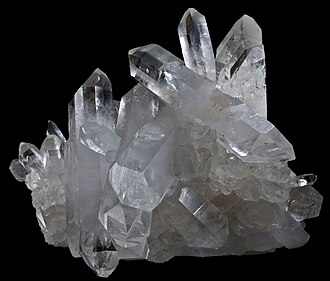
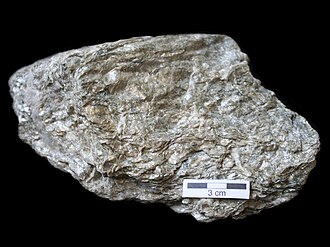
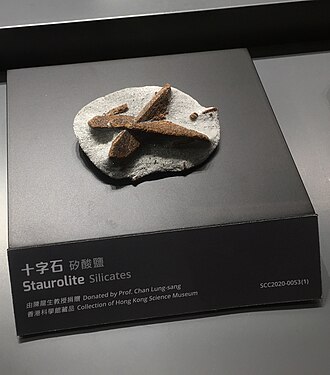
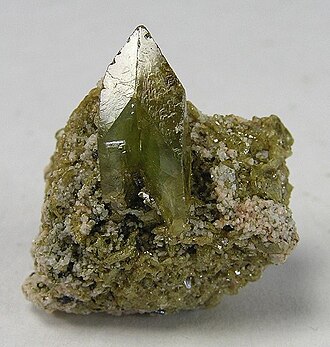
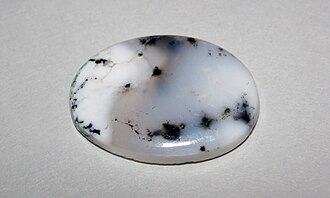
Obsidian specimen: black and brown igneous rockObsidianMohs 5.5 · vitreous · commonRainbow Obsidian specimen: black with rainbow sheen and purple igneous rockRainbow ObsidianMohs 5.5 · vitreous · uncommonAugite specimen: black and dark green mineralAugiteMohs 5.5–6 · Vitreous to resinous · commonBiotite specimen: black and dark brown mineralBiotiteMohs 2.5–3 · Vitreous to pearly (splendent on cleavage) · commonHornblende specimen: black and dark green mineralHornblendeMohs 5–6 · Vitreous to silky · commonOnyx specimen: mineralOnyxMohs 6.5–7 · Waxy to vitreous · commonSchorl specimen: black and bluish black mineralSchorlMohs 7 · vitreous · commonSnowflake Obsidian specimen: black and black and white igneous rockSnowflake ObsidianMohs 5.5 · vitreous · commonTourmaline specimen: black and green mineralTourmalineMohs 7–7.5 · Vitreous · commonDiamond specimen: colorless and yellow gemstoneDiamondMohs 10 · adamantine · legendaryOpal specimen: white and black gemstoneOpalMohs 5.5 · vitreous · uncommonSpinel specimen: red and pink gemstoneSpinelMohs 8 · vitreous · uncommonMarble specimen: white and gray metamorphic rockMarbleMohs 3.5 · vitreous · commonGranite specimen: pink and gray igneous rockGraniteMohs 6.5 · vitreous · commonSmoky Quartz specimen: brown and gray crystalSmoky QuartzMohs 7 · vitreous · commonKyanite specimen: blue and green mineralKyaniteMohs 5 · vitreous · uncommonRhodonite specimen: pink and rose mineralRhodoniteMohs 6 · vitreous · uncommonSlag Glass specimen: blue and green materialSlag GlassMohs 5.5 · vitreous · commonLarvikite specimen: dark gray and blue gray igneous rockLarvikiteMohs 6 · vitreous · commonActinolite specimen: green and dark green mineralActinoliteMohs 5–6 · Vitreous to silky · commonAegirine specimen: dark green and black mineralAegirineMohs 6–6.5 · Vitreous · commonAlmandine specimen: deep red and reddish brown mineralAlmandineMohs 7–7.5 · Vitreous to resinous · commonAndradite specimen: yellow-green (demantoid) and brown mineralAndraditeMohs 6.5–7 · Vitreous to resinous/adamantine · commonCharoite specimen: lilac and purple mineralCharoiteMohs 5–6 · Vitreous to pearly/silky · commonChlorite specimen: green and dark green mineralChloriteMohs 2–2.5 · Vitreous to pearly · commonDiopside specimen: light to dark green and white mineralDiopsideMohs 5.5–6.5 · Vitreous · commonEpidote specimen: pistachio green and yellowish green mineralEpidoteMohs 6–7 · Vitreous · commonGneiss specimen: gray and pink metamorphic rockGneissMohs 6–7 · Vitreous to glimmering (mica-rich bands) · commonJadeite specimen: green and white gemstoneJadeiteMohs 6.75 · vitreous · rareMoss Agate specimen: colorless and white gemstoneMoss AgateMohs 6.75 · vitreous · commonPeridotite specimen: green and dark green igneous rockPeridotiteMohs 5.5–7 · Vitreous (olivine and pyroxene grains) · commonQuartz specimen: colorless and white crystalQuartzMohs 7 · Vitreous, greasy on fracture surfaces · commonRutile specimen: reddish brown and black mineralRutileMohs 6.5 · adamantine · commonSchist specimen: silver-gray and golden (mica-rich) metamorphic rockSchistMohs 2.5–7 · Vitreous to silky/glittery (mica-rich) · commonStaurolite specimen: reddish brown and brown mineralStauroliteMohs 7.25 · vitreous · uncommonTitanite specimen: green and yellow mineralTitaniteMohs 5.5 · adamantine · uncommon

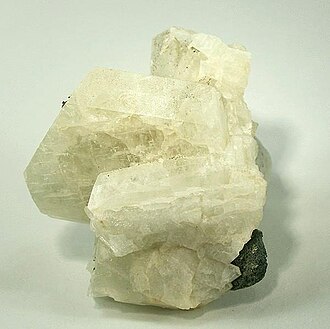
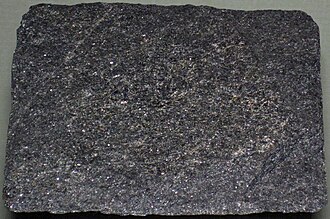
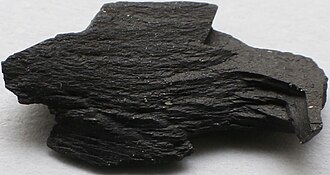
Waxy, silky or pearly shiny black rocks (12)
Frequently asked questions

Is my shiny black rock a meteorite?

Almost never. Meteorites are rare, heavy, magnetic and usually have a dull dark fusion crust rather than a bright shine. Shiny black finds are far more likely to be Obsidian, Anthracite, and Augite.

How can I tell a metallic rock from a glassy one?

Metallic luster reflects light like polished metal and the stone is opaque even at thin edges; glassy (vitreous) luster looks like glass and thin edges often let light through. Metallic minerals also tend to leave a colored streak on unglazed porcelain.

Not sure what you found?

Snap a photo with StoneSnap and get an instant match with properties, value estimates and look-alikes — free to try.

Download on the App StoreGet it on Google Play