StoneSnapDownload

Shiny Green Rocks & Minerals

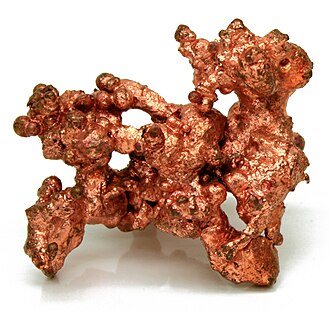
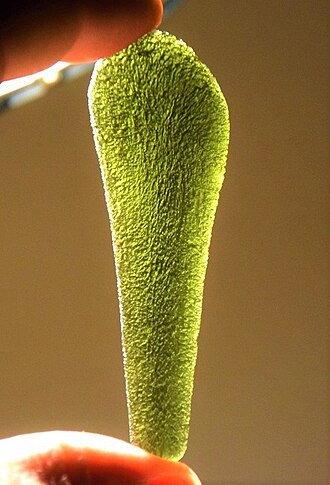
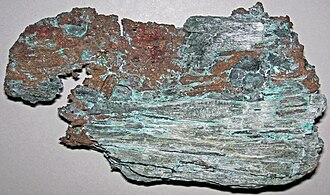
A shiny green rock is one of the most common identification questions. The shine is the first clue: 2 of the 101 candidates below have a true metallic luster (Bronze and Copper), while 78 are glassy like broken bottle glass (Emerald, Alexandrite, and Moldavite).

Metallic-looking stones are usually sulfides, oxides or native metals and feel heavy; glassy ones are typically silicates, quartz varieties or volcanic glass. Hardness and streak settle most cases.

Metallic shiny green rocks (2)
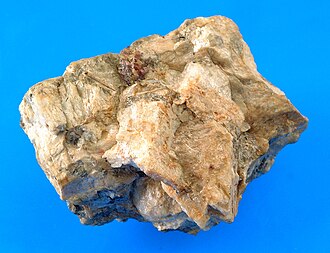
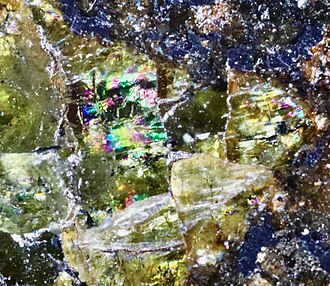
Glassy shiny green rocks (78)
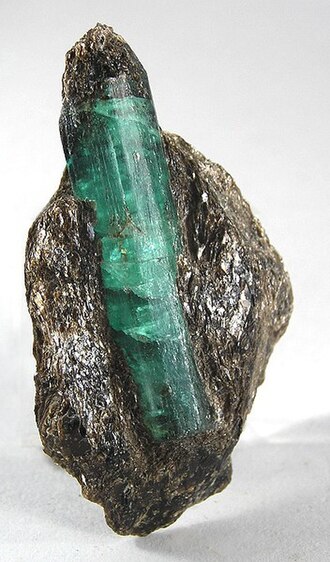
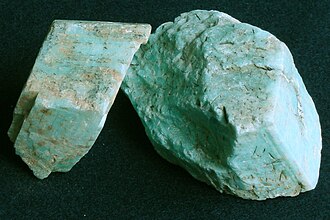
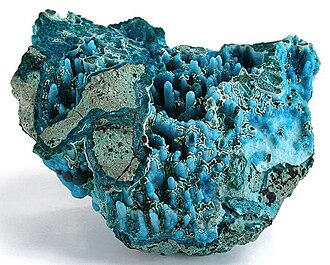
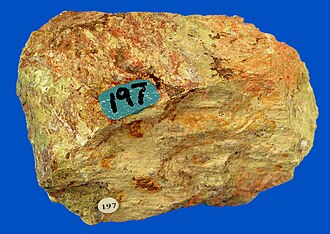
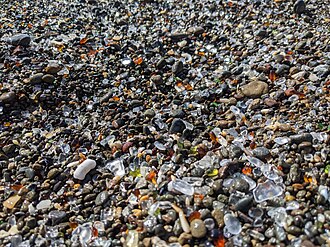
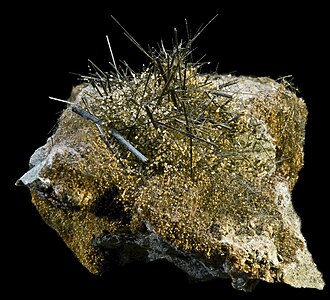
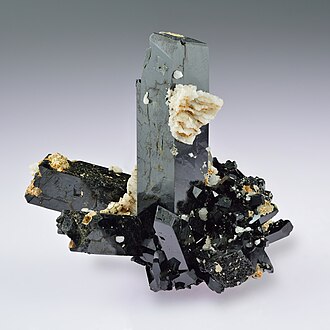
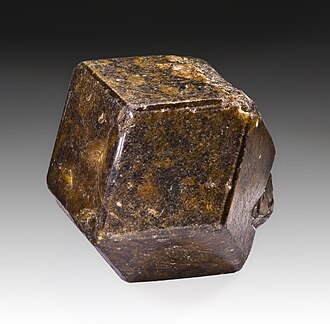
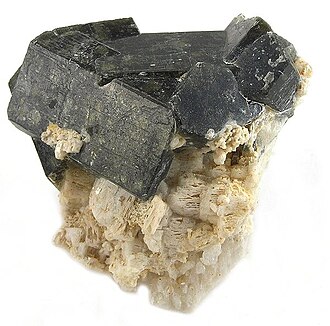
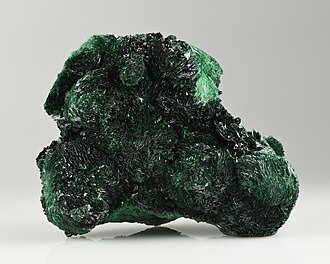
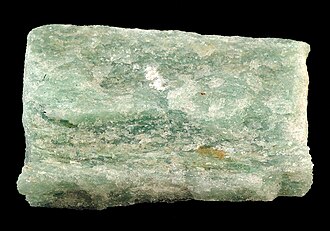
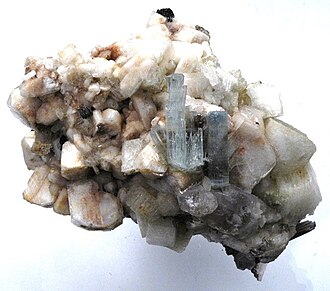
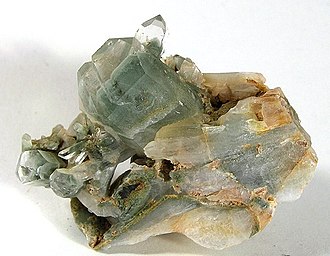
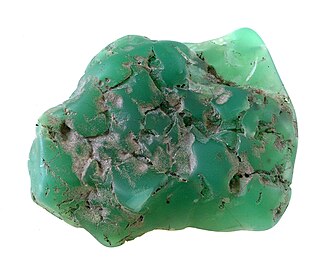
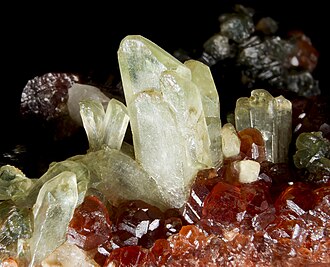
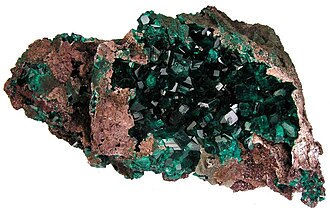
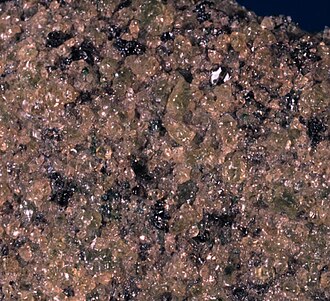
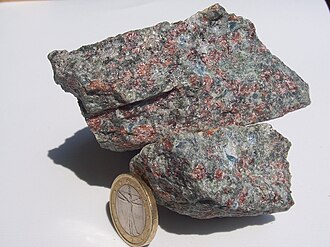
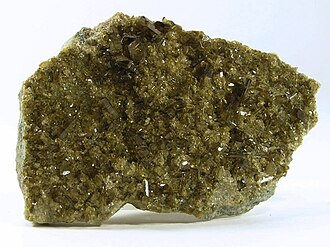
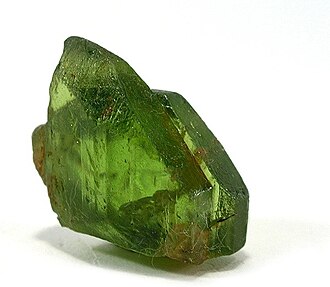
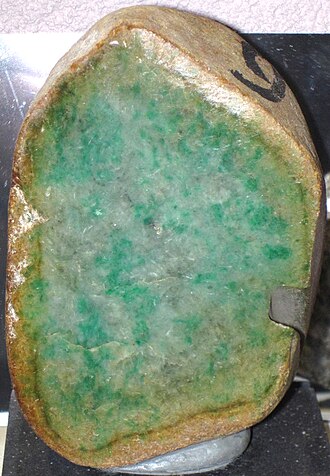
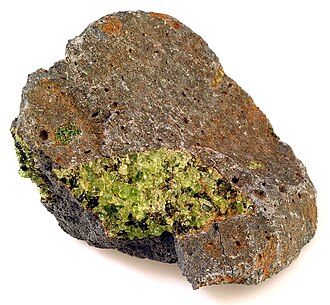
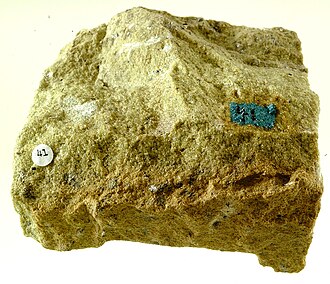
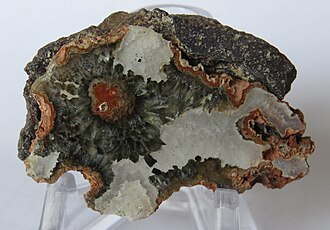
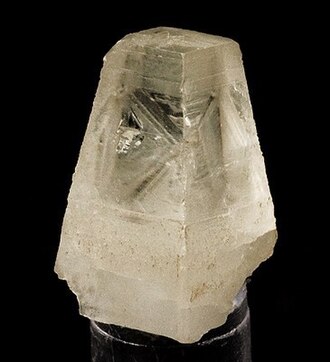
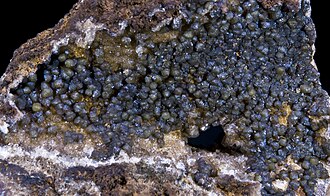
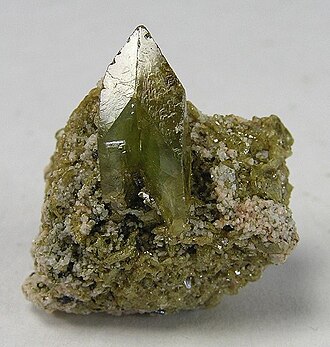
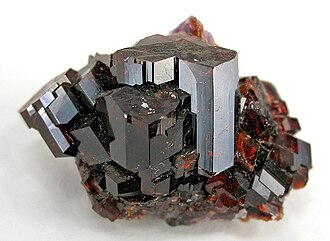
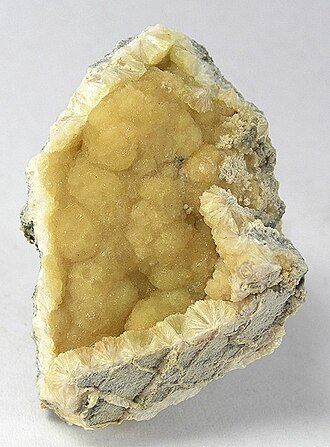
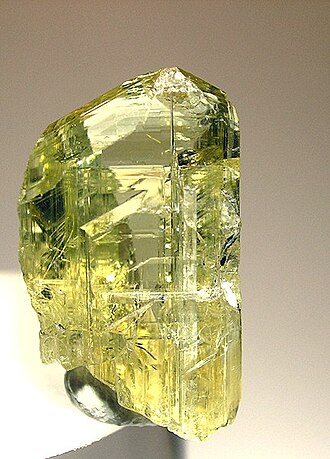
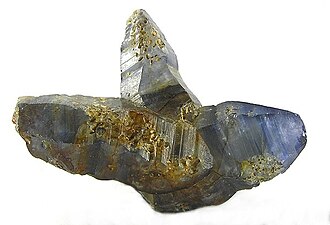
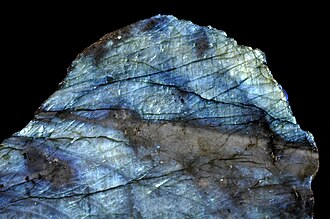
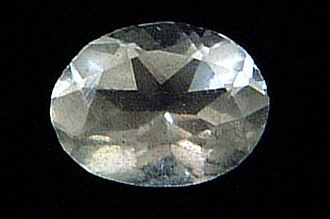
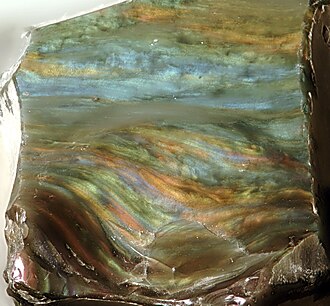
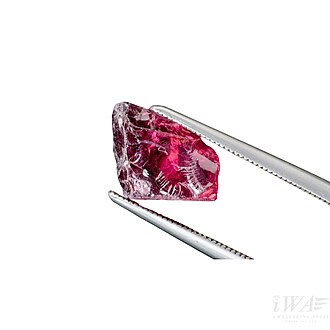
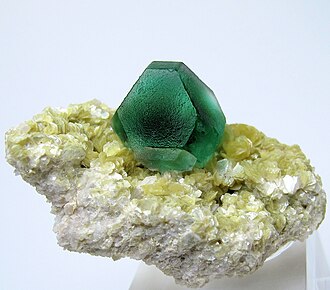
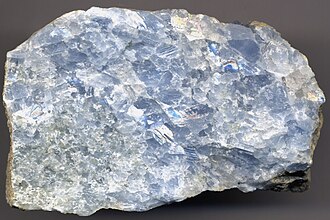
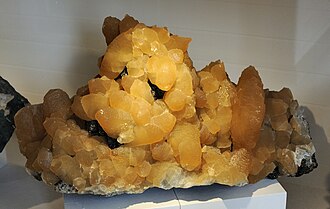
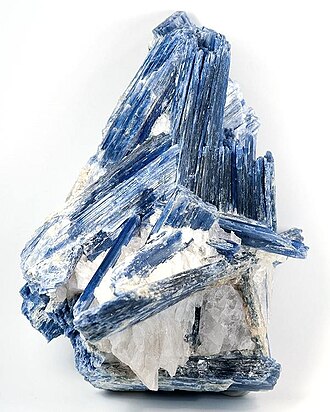
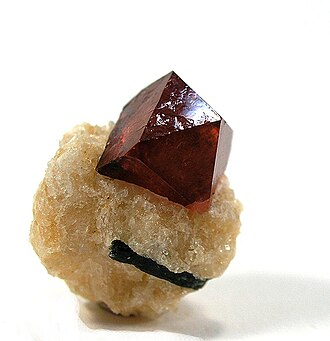
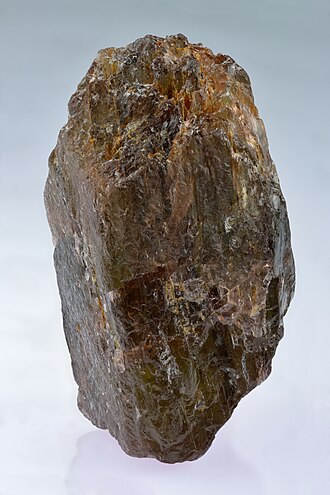
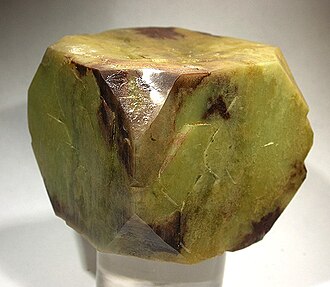
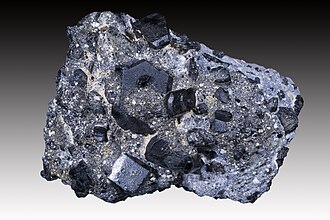
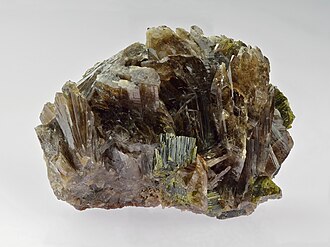
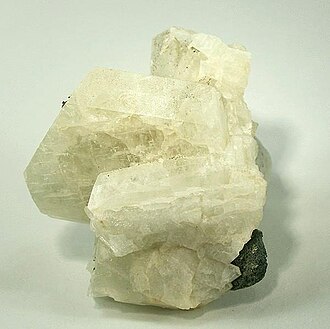
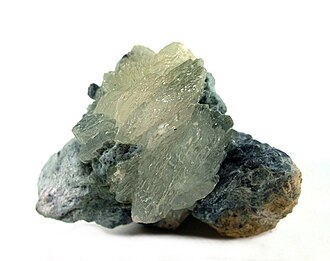
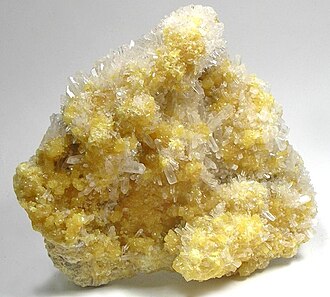
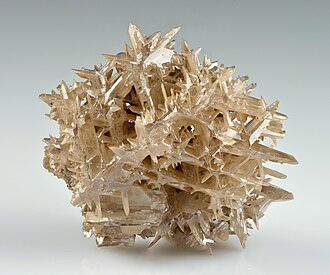
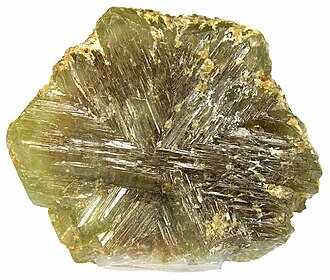
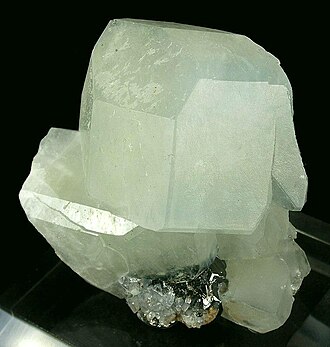
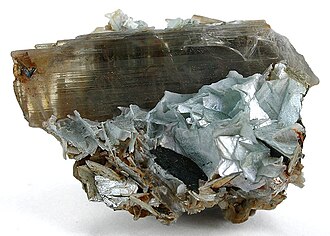
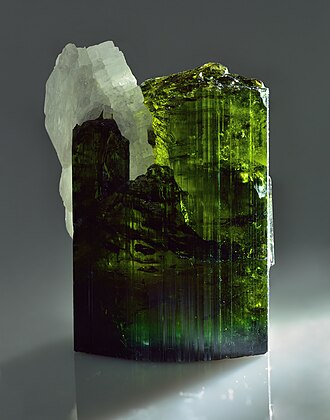
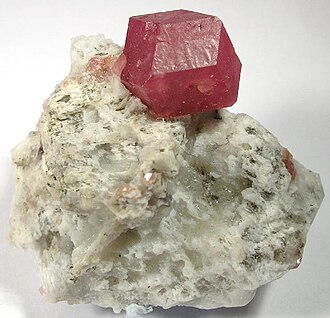
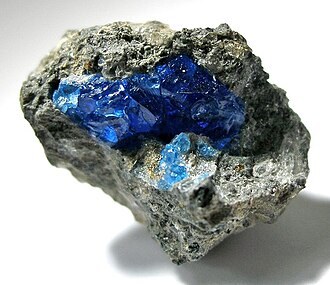
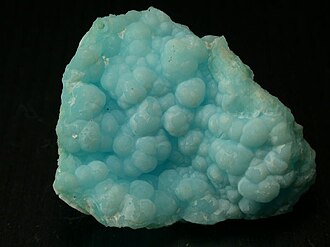
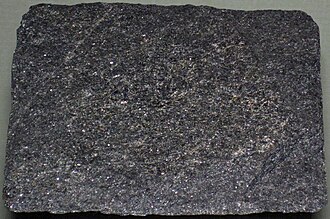
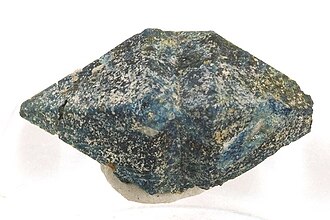
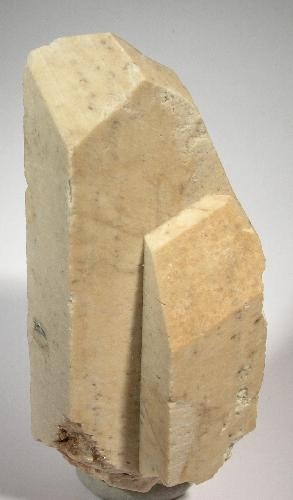
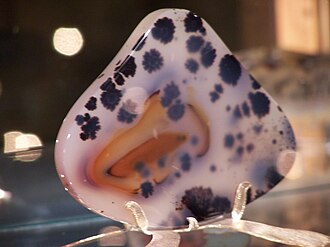
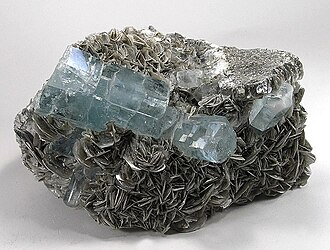
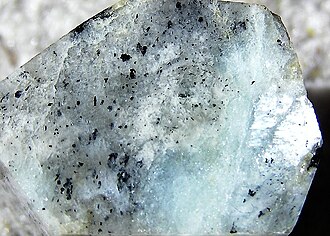
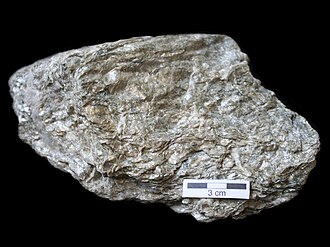
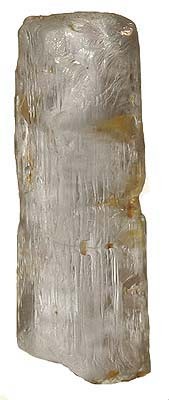
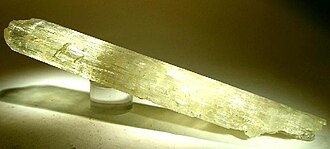
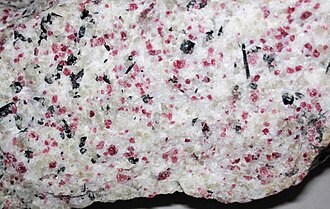
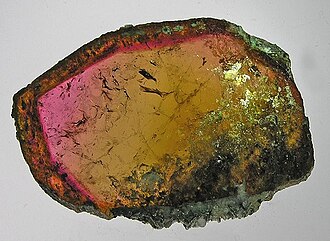
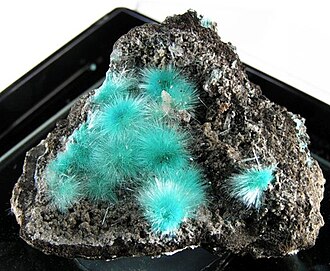
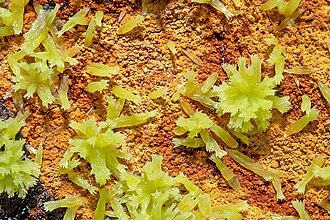
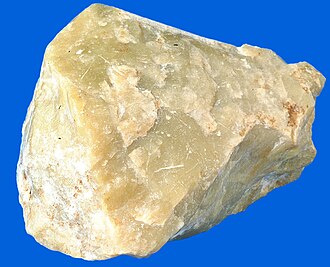
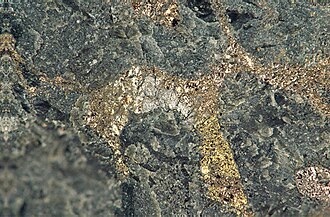
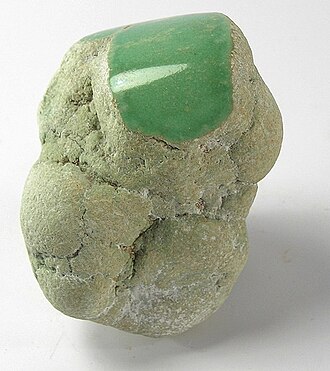
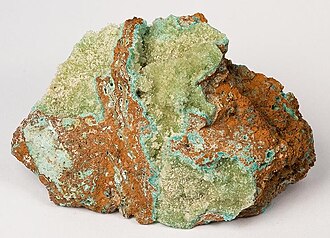
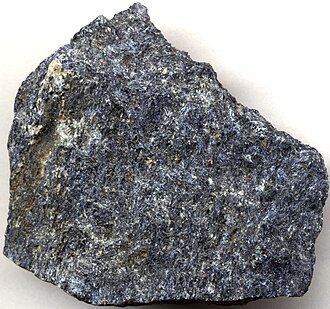
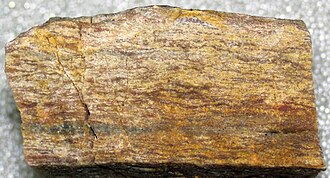
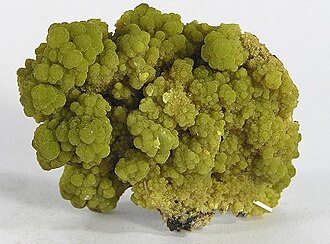
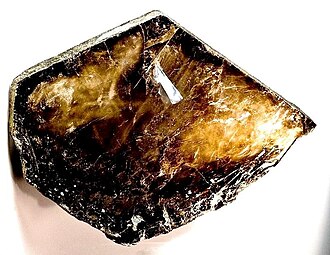
Emerald specimen: green and bluish green gemstoneEmeraldMohs 7.5 · vitreous · legendaryAlexandrite specimen: green in daylight and red in incandescent light gemstoneAlexandriteMohs 8.5 · vitreous · epicMoldavite specimen: forest green and olive green gemstoneMoldaviteMohs 5.5 · vitreous · rarePeridot specimen: yellow-green and olive green gemstonePeridotMohs 6.5 · vitreous · uncommonAmazonite specimen: blue-green and turquoise mineralAmazoniteMohs 6 · vitreous · uncommonChrysocolla specimen: blue-green and cyan mineralChrysocollaMohs 2.5 · vitreous · commonUnakite specimen: pink and green mottled and salmon metamorphic rockUnakiteMohs 6.5 · vitreous · commonGlass specimen: green and brown materialGlassMohs 5.5 · vitreous · commonActinolite specimen: green and dark green mineralActinoliteMohs 5–6 · Vitreous to silky · commonAegirine specimen: dark green and black mineralAegirineMohs 6–6.5 · Vitreous · commonAndradite specimen: yellow-green (demantoid) and brown mineralAndraditeMohs 6.5–7 · Vitreous to resinous/adamantine · commonApatite specimen: green and blue mineralApatiteMohs 5 · Vitreous to subresinous · commonAtacamite specimen: bright green and dark green mineralAtacamiteMohs 3–3.5 · Vitreous to adamantine · commonAventurine specimen: green and blue mineralAventurineMohs 6.5–7 · Vitreous, aventurescent (glittery) · commonBeryl specimen: green (emerald) and blue (aquamarine) mineralBerylMohs 7.5–8 · Vitreous · commonChlorite specimen: green and dark green mineralChloriteMohs 2–2.5 · Vitreous to pearly · commonChrysoprase specimen: apple-green and green (sometimes with darker spots) mineralChrysopraseMohs 6.5–7 · Waxy to vitreous · commonDiopside specimen: light to dark green and white mineralDiopsideMohs 5.5–6.5 · Vitreous · commonDioptase specimen: emerald green and bluish green mineralDioptaseMohs 5 · Vitreous · commonDunite specimen: olive green and yellowish green igneous rockDuniteMohs 6.5–7 · Vitreous (olivine grains) · commonEclogite specimen: green (omphacite) and red (garnet) metamorphic rockEclogiteMohs 6–7.5 · Vitreous (garnet and omphacite grains) · commonEpidote specimen: pistachio green and yellowish green mineralEpidoteMohs 6–7 · Vitreous · commonForsterite specimen: pale yellow-green and olive green mineralForsteriteMohs 6.5–7 · Vitreous · commonJadeite specimen: green and white gemstoneJadeiteMohs 6.75 · vitreous · rareOlivine specimen: olive green and yellowish green mineralOlivineMohs 6.5–7 · Vitreous · commonPeridotite specimen: green and dark green igneous rockPeridotiteMohs 5.5–7 · Vitreous (olivine and pyroxene grains) · commonPrasiolite specimen: green and pale green gemstonePrasioliteMohs 7 · vitreous · uncommonPrehnite specimen: green and yellow-green mineralPrehniteMohs 6.25 · vitreous · uncommonSmithsonite specimen: blue green and green mineralSmithsoniteMohs 4.5 · vitreous · uncommonTitanite specimen: green and yellow mineralTitaniteMohs 5.5 · adamantine · uncommonVesuvianite specimen: green and brown mineralVesuvianiteMohs 6.5 · vitreous · uncommonWavellite specimen: green and yellow mineralWavelliteMohs 3.75 · vitreous · uncommonZoisite specimen: green and pink mineralZoisiteMohs 6.5 · vitreous · uncommonSapphire specimen: blue and pink gemstoneSapphireMohs 9 · adamantine · rareLabradorite specimen: gray and blue flash mineralLabradoriteMohs 6 · vitreous · commonObsidian specimen: black and brown igneous rockObsidianMohs 5.5 · vitreous · commonAquamarine specimen: light blue and blue-green gemstoneAquamarineMohs 7.5 · vitreous · uncommonRainbow Obsidian specimen: black with rainbow sheen and purple igneous rockRainbow ObsidianMohs 5.5 · vitreous · uncommonGarnet specimen: red and orange gemstoneGarnetMohs 7 · vitreous · commonFluorite specimen: purple and green mineralFluoriteMohs 4 · vitreous · commonMarble specimen: white and gray metamorphic rockMarbleMohs 3.5 · vitreous · commonJasper specimen: red and yellow mineralJasperMohs 7 · vitreous · commonKyanite specimen: blue and green mineralKyaniteMohs 5 · vitreous · uncommonZircon specimen: colorless and blue gemstoneZirconMohs 7.5 · adamantine · uncommonCalcite specimen: colorless and white mineralCalciteMohs 3 · vitreous · commonSlag Glass specimen: blue and green materialSlag GlassMohs 5.5 · vitreous · commonAlbite specimen: white and colorless mineralAlbiteMohs 6–6.5 · Vitreous, pearly on cleavage · commonAnalcime specimen: colorless and white mineralAnalcimeMohs 5–5.5 · Vitreous · commonAndalusite specimen: reddish brown and olive green mineralAndalusiteMohs 6.5–7.5 · Vitreous · commonApophyllite specimen: colorless and white mineralApophylliteMohs 4.5–5 · Vitreous, pearly on cleavage · commonAugite specimen: black and dark green mineralAugiteMohs 5.5–6 · Vitreous to resinous · commonAxinite specimen: clove-brown and violet-brown mineralAxiniteMohs 6.5–7 · Vitreous · commonBiotite specimen: black and dark brown mineralBiotiteMohs 2.5–3 · Vitreous to pearly (splendent on cleavage) · commonBrucite specimen: white and pale green mineralBruciteMohs 2.5 · vitreous · uncommonCelestine specimen: colorless and pale blue mineralCelestineMohs 3–3.5 · Vitreous, pearly on cleavage · commonCerussite specimen: colorless and white mineralCerussiteMohs 3–3.5 · Adamantine to vitreous/resinous · commonChrysoberyl specimen: yellow and greenish-yellow mineralChrysoberylMohs 8.5 · Vitreous · commonCorundum specimen: red (ruby) and blue (sapphire) mineralCorundumMohs 9 · Adamantine to vitreous · commonDatolite specimen: colorless and white mineralDatoliteMohs 5–5.5 · Vitreous, slightly greasy · commonDiaspore specimen: colorless and white mineralDiasporeMohs 6.5–7 · Vitreous to pearly on cleavage · commonElbaite specimen: pink and green mineralElbaiteMohs 7–7.5 · Vitreous · commonFeldspar specimen: white and pink mineralFeldsparMohs 6–6.5 · Vitreous to pearly · commonGrossular specimen: colorless and green mineralGrossularMohs 6.5–7.5 · Vitreous to resinous · commonHauyne specimen: blue and sky blue mineralHauyneMohs 5.5–6 · Vitreous to greasy · commonHemimorphite specimen: white and colorless mineralHemimorphiteMohs 4.5–5 · Vitreous, silky when fibrous · commonHornblende specimen: black and dark green mineralHornblendeMohs 5–6 · Vitreous to silky · commonLazulite specimen: blue and sky blue mineralLazuliteMohs 5.75 · vitreous · rareMicrocline specimen: white and cream mineralMicroclineMohs 6 · vitreous · commonMoss Agate specimen: colorless and white gemstoneMoss AgateMohs 6.75 · vitreous · commonMuscovite specimen: colorless and silvery white mineralMuscoviteMohs 2–4 · Vitreous to pearly/silky · commonNepheline specimen: colorless and white mineralNephelineMohs 6 · vitreous · uncommonSchist specimen: silver-gray and golden (mica-rich) metamorphic rockSchistMohs 2.5–7 · Vitreous to silky/glittery (mica-rich) · commonSillimanite specimen: white and gray mineralSillimaniteMohs 7 · vitreous · uncommonSpodumene specimen: pink and lilac mineralSpodumeneMohs 6.75 · vitreous · uncommonSyenite specimen: gray and pink igneous rockSyeniteMohs 5.5–6.5 · Vitreous (feldspar crystals) · commonTourmaline specimen: black and green mineralTourmalineMohs 7–7.5 · Vitreous · commonTremolite specimen: white and gray mineralTremoliteMohs 5.5 · vitreous · commonVivianite specimen: blue and green mineralVivianiteMohs 1.75 · vitreous · uncommon

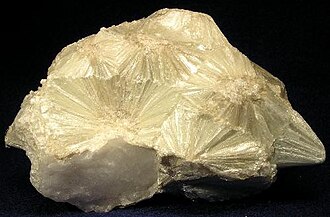
Waxy, silky or pearly shiny green rocks (21)
Frequently asked questions

Is my shiny green rock a meteorite?

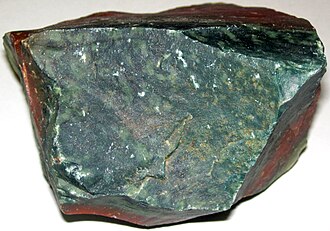
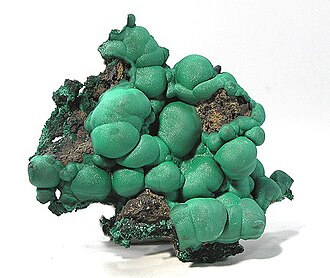
Almost never. Meteorites are rare, heavy, magnetic and usually have a dull dark fusion crust rather than a bright shine. Shiny green finds are far more likely to be Malachite, Chrysocolla, and Bloodstone.

How can I tell a metallic rock from a glassy one?

Metallic luster reflects light like polished metal and the stone is opaque even at thin edges; glassy (vitreous) luster looks like glass and thin edges often let light through. Metallic minerals also tend to leave a colored streak on unglazed porcelain.

Not sure what you found?

Snap a photo with StoneSnap and get an instant match with properties, value estimates and look-alikes — free to try.

Download on the App StoreGet it on Google Play