
Which Crystal Do I Need Right Now? · your result
Your crystal is Green Aventurine
For luck and new opportunities
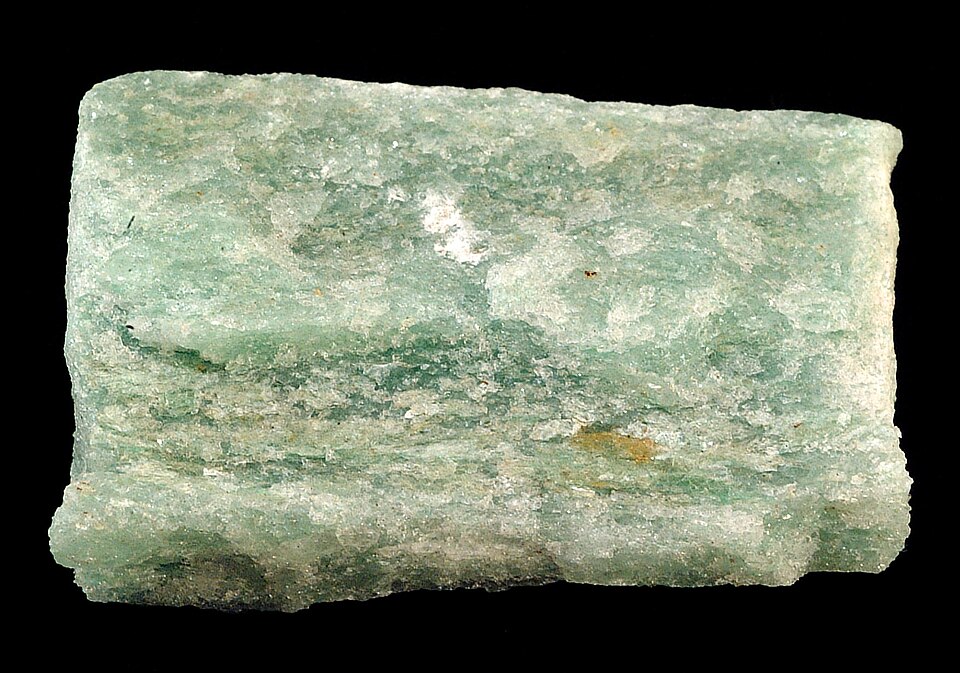
Your answers point to green aventurine, the sparkly green quartz called the stone of opportunity and carried by gamblers, job seekers and anyone about to take a chance. It is the traditional stone for the moment you have done the preparation and now need the break.
Aventurine is quartz packed with tiny flakes of green mica (fuchsite) that glitter when the light catches them, an effect called aventurescence. India produces most of it. It is durable (Mohs 6.5–7), cheap and one of the most common tumbled stones in any shop.
How people use Green Aventurine
- Carry a tumbled stone in your left pocket, the traditional receiving side.
- Keep a piece near where you handle applications, bills or plans.
- Give one to a friend starting something new.
Is your Green Aventurine real?
- Real aventurine shows glittering mica flakes inside a translucent green stone. Green glass with copper flecks (goldstone) glitters too but feels warm, has bubbles and is far more sparkly than natural stone.
About Aventurine
Aventurine is a variety of quartzite prized for aventurescence, a sparkly, glittery sheen caused by light reflecting off tiny platy mineral inclusions suspended within the rock. Green aventurine owes its color to included flakes of the chromium mica fuchsite, while orange to reddish varieties contain hematite or goethite instead. Though often sold alongside single minerals, it is technically a metamorphic rock made mostly of interlocking quartz grains.
| Type | Minerals |
|---|---|
| Chemical formula | SiO2 |
| Mohs hardness | 6.5–7 |
| Crystal system | Trigonal |
| Luster | Vitreous, aventurescent (glittery) |
| Streak | White |
| Cleavage | None |
- The name aventurine actually originated with a glittery Venetian glass created by accident, or per avventura in Italian.
- Green aventurine gets its sparkle from included flakes of fuchsite, a chromium-rich variety of muscovite mica.
- Because it is a rock rather than a single mineral, aventurine's sparkle density varies noticeably from one specimen to the next.
How to tell real Aventurine at a glance
- Color: Green, Blue, Orange, Brown, Red. Look at a clean, dry surface in daylight. Color zoning, banding or spots are as diagnostic as the hue.
- Luster: Vitreous, aventurescent (glittery). Fresh surfaces shine like glass; a dull surface usually means weathering, so chip or wet a corner.
- Transparency: Translucent. Hold a thin edge up to a bright light and note whether light passes through.
- Mohs hardness: 6.5–7. It scratches glass and a steel knife and cannot be scratched by a steel file.
Rocks Green Aventurine gets along with
Frequently asked questions
What is Green Aventurine used for?
Green Aventurine is traditionally the crystal for luck and new opportunities. For job applications, first dates and rolling the dice.
How do I know if my Green Aventurine is real?
Real aventurine shows glittering mica flakes inside a translucent green stone. Green glass with copper flecks (goldstone) glitters too but feels warm, has bubbles and is far more sparkly than natural stone.
Which crystals go with Green Aventurine?
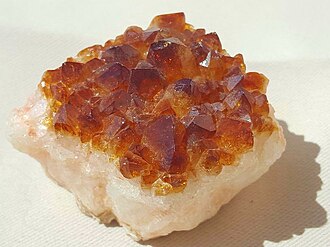
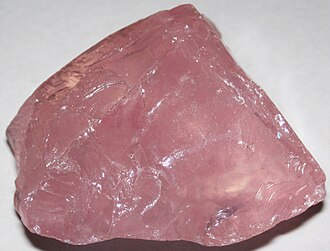
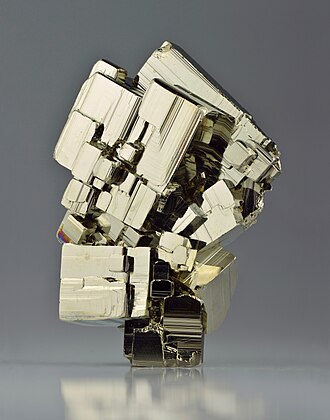
Green Aventurine is most often paired with Citrine, Rose Quartz, pyrite.

