
What Rock Are You? · your result
You're Pumice: The Lightweight (in the best way)
The Lightweight (in the best way) · Light, buoyant and impossible to sink.
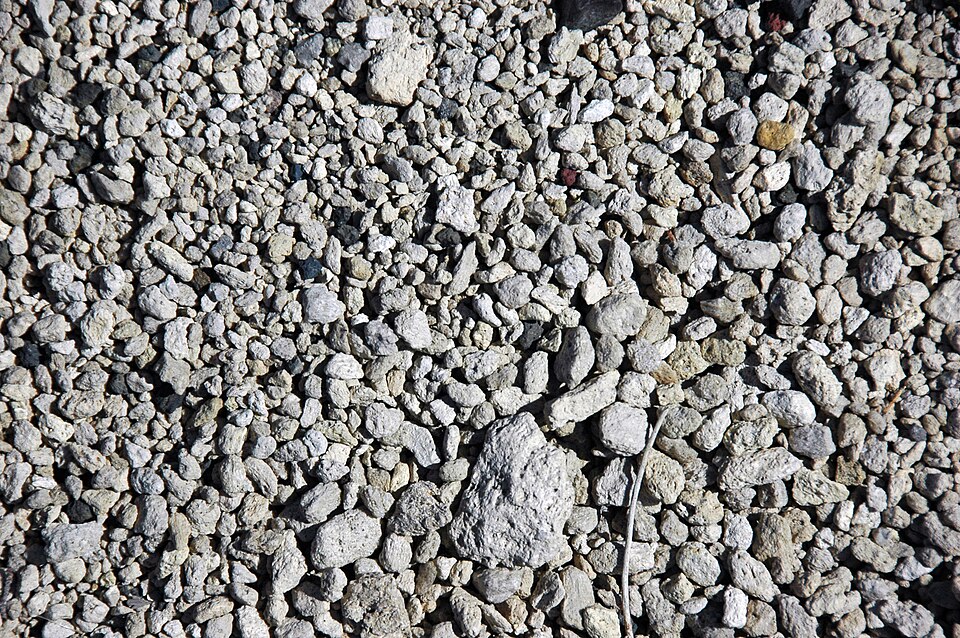
You are pumice, the volcanic rock so full of gas bubbles that it floats. It forms when frothy lava is blasted into the air and freezes mid-fizz. You are the same: light on your feet, quick to laugh and buoyant no matter what life throws at you.
You do not take yourself too seriously, and that makes you the person everyone wants around. Pumice rafts have carried whole ecosystems across oceans, and you carry people along with your energy. You are more useful than you look, too: pumice polishes, scrubs and lightens concrete, and you have a way of smoothing rough situations.
Your strengths
- Resilient and optimistic
- Makes hard days lighter
- Goes with the flow without losing yourself
Watch out for
- Can drift without direction
- Avoids heavy topics
- Others may underestimate your depth
About Pumice
Pumice is a light-colored, extrusive volcanic rock so full of trapped gas bubbles, or vesicles, that it can float on water. It forms when gas-rich, silica-rich magma is violently depressurized during an explosive eruption, freezing the expanding bubbles in place as volcanic glass. Its extremely low density and rough, abrasive texture have made it useful to people for thousands of years.
| Type | Igneous Rocks |
|---|---|
| Mohs hardness | 5–6 |
| Crystal system | Amorphous |
| Luster | Dull to glassy |
| Fracture | Conchoidal, vesicular |
| Specific gravity | 0.25–0.9 |
| Transparency | Opaque, translucent in thin shards |
- Pumice is often light enough to float on water, occasionally drifting across entire ocean basins as rafts after major eruptions.
- The rock's countless tiny gas bubbles form when dissolved volcanic gas expands suddenly as silica-rich magma depressurizes during an eruption.
- Ground pumice has been used as an abrasive for skin care and polishing since at least ancient Roman times.
How to tell real Pumice at a glance
- Color: White, Light gray, Tan, Pale yellow. Look at a clean, dry surface in daylight. Color zoning, banding or spots are as diagnostic as the hue.
- Luster: Dull to glassy. Compare a fresh surface with glass and metal; this luster is softer than either.
- Transparency: Opaque, translucent in thin shards. Hold a thin edge up to a bright light and note whether light passes through.
- Mohs hardness: 5–6. It is about as hard as window glass: a knife barely marks it, while a steel file (Mohs 6.5) will.
Rocks Pumice gets along with
Frequently asked questions
What does it mean if I got Pumice on the rock personality quiz?
Pumice is the lightweight (in the best way): light, buoyant and impossible to sink. It forms when frothy lava is blasted into the air and freezes mid-fizz
Which rock personalities is Pumice most compatible with?
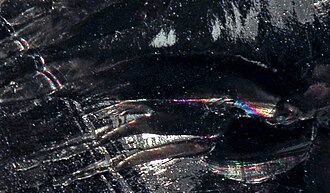
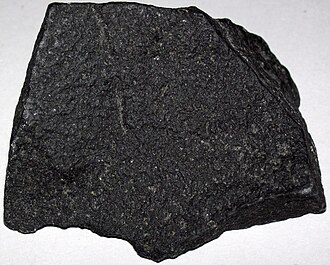
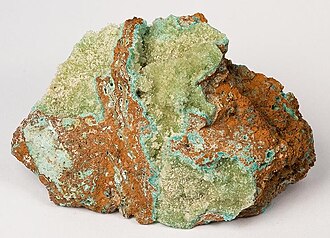
Pumice pairs best with Obsidian, Basalt, Turquoise. Take the quiz with a friend and compare results.
How do I recognize real Pumice?
Pale gray to white, frothy rock riddled with holes; light enough to float. Found near explosive volcanoes and washed up on beaches after eruptions.

