Materials · common
Glass
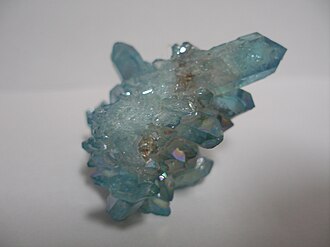
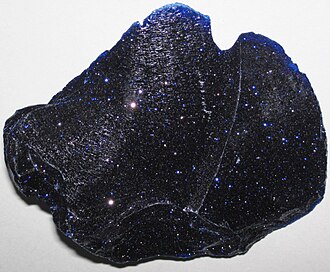
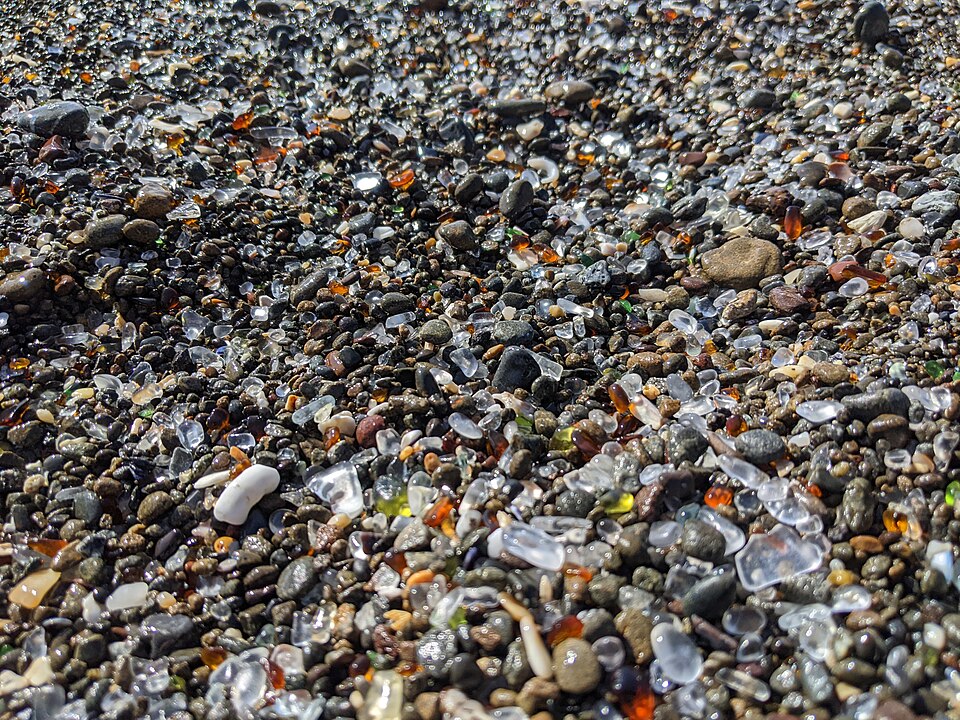
Glass is a man-made amorphous material. Surf-tumbled sea glass and weathered bottle shards are among the most common glassy finds mistaken for natural minerals.
Also known as: Sea Glass, Beach Glass, Bottle Glass, Window Glass, Frosted Glass, Tumbled Glass.
Glass properties at a glance
| Type | Materials |
|---|---|
| Chemical formula | Amorphous silicate (SiO2-based) |
| Mohs hardness | 5.5 |
| Crystal system | amorphous |
| Luster | vitreous |
| Streak | White to colorless |
| Cleavage | None |
| Fracture | Conchoidal |
| Specific gravity | 2.5 |
| Transparency | translucent |
| Common colors | Green, Brown, Clear, Blue, White, Frosted |
| Rarity | common |
Geology & background
Manufactured by melting silica sand with soda and lime; surf-tumbled fragments (sea glass) are smoothed and frosted by years of wave and sand action rather than any geological process.
Glassmaking dates back over 3,500 years; discarded bottles and shipwreck cargo became today's collectible beach finds.
How to identify Glass
- Frosted surfaces with smooth rounded edges point to surf-tumbled glass.
- Look for tiny bubbles, flow lines, or embossed lettering fragments from bottles.
- Glass scratches with a steel knife more easily than quartz and shows perfect conchoidal fracture.
Full Glass identification guide: checklist, home tests and look-alikes →
Glass vs similar stones
Not sure it isn't something else? Side-by-side comparisons with the stones most often confused with Glass.
Where Glass is found
Found worldwide on shorelines near old dumping grounds and settlements; famous sites include Glass Beach in Fort Bragg, California and Seaham in England.
How much is Glass worth?
| Entry-level specimen | $1 |
|---|---|
| Typical collector specimen | $5 |
| Premium specimen | $40+ |
Most glass has craft or decorative value only. Genuine sea glass in rare colors (red, orange, turquoise) can sell for meaningfully more, but color, frost quality, and provenance drive everything.
Common uses
- Sea glass jewelry
- Crafts and mosaics
- Decorative collecting
Interesting facts
- Sea glass takes 20 to 50 years of tumbling to earn its frosted surface.
- Red and orange sea glass are scarce because those colors required gold or selenium in the original melt.
- Unlike quartz, glass has no crystal structure, so it breaks in smooth curved conchoidal shells.
Care & safety
Glass is durable for display but chips on hard impact; treat it as a decorative material rather than a mineral specimen.
Sharp edges. Fresh or partially tumbled glass can be razor sharp; handle unworn shards carefully.
Glass FAQ
What is Glass?
Glass is a man-made amorphous material. Surf-tumbled sea glass and weathered bottle shards are among the most common glassy finds mistaken for natural minerals.
How much is Glass worth?
Entry-level Glass specimens sell for around $1, a typical collector specimen for about $5, and premium pieces for $40 or more. Most glass has craft or decorative value only. Genuine sea glass in rare colors (red, orange, turquoise) can sell for meaningfully more, but color, frost quality, and provenance drive everything.
How hard is Glass?
Glass has a Mohs hardness of 5.5. It is about as hard as window glass: a knife barely marks it, while a steel file (Mohs 6.5) will.
Where is Glass found?
Notable sources of Glass include Beaches near old settlements, Lakeshores, Riversides, and Urban soil. Manufactured by melting silica sand with soda and lime; surf-tumbled fragments (sea glass) are smoothed and frosted by years of wave and sand action rather than any geological process..
What is Glass used for?
Glass is used for sea glass jewelry, crafts and mosaics, and decorative collecting.