
Comparison · Metamorphic Rocks
Gneiss vs Quartzite
Gneiss and Quartzite are easy to confuse because both are metamorphic rocks. Both sit near Mohs 6–7, so a scratch test alone will not separate them. Lean on luster, streak and heft instead. Below is a side-by-side comparison of their properties and the quick tests that separate them.
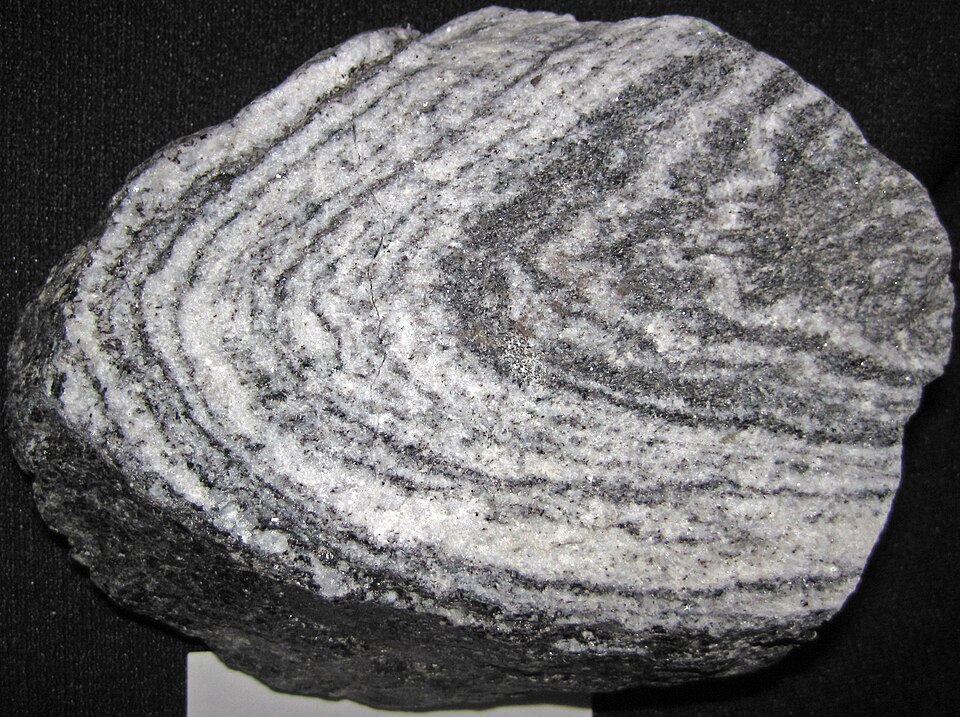
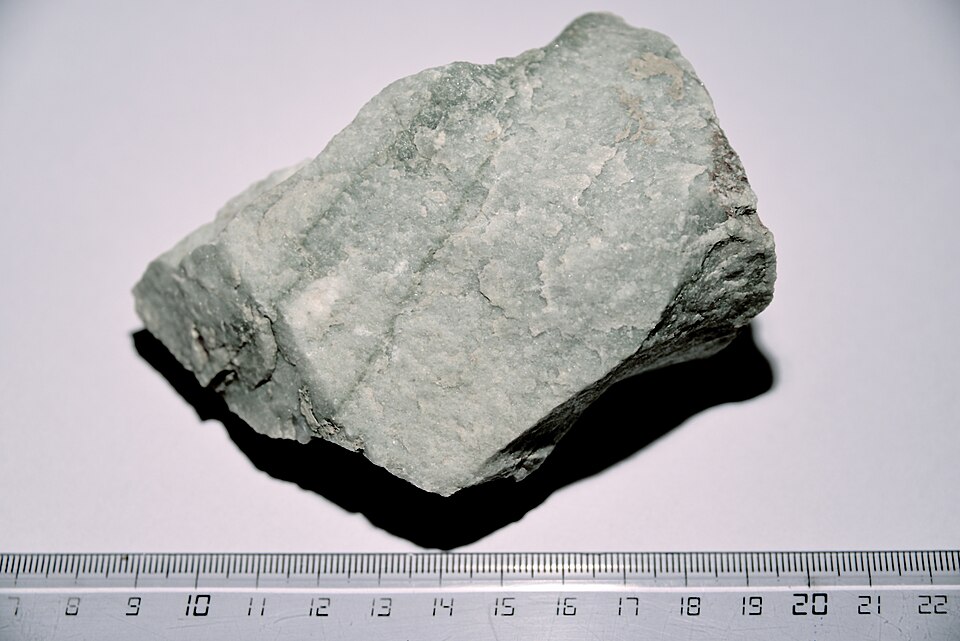
Key differences between Gneiss and Quartzite
- Both sit near Mohs 6–7, so a scratch test alone will not separate them. Lean on luster, streak and heft instead.
- They overlap in gray, pink, and white, but Gneiss also comes in black and multicolored and Quartzite also comes in red and yellow.
Gneiss vs Quartzite properties
| Property | Gneiss | Quartzite |
|---|---|---|
| Type | Metamorphic Rocks | Metamorphic Rocks |
| Mohs hardness | 6–7 | 7 |
| Luster | Vitreous to glimmering (mica-rich bands) | Vitreous to sugary/granular |
| Transparency | Opaque | Opaque |
| Specific gravity | 2.65–2.75 | 2.6–2.7 |
| Common colors | Gray, Pink, Banded black and white, White | White, Gray, Pink, Reddish, Yellow |
| Rarity | common | common |
| Typical specimen value | $1–$75+ | $1–$75+ |
Which is more valuable?
Typical specimens of Gneiss and Quartzite trade in a similar range, around $10.
About Gneiss
Gneiss is a high-grade metamorphic rock defined by coarse banding, called gneissic foliation, in which light-colored quartz and feldspar layers alternate with darker bands rich in biotite, hornblende, or garnet. It forms under intense heat and pressure deep within the crust, often from the metamorphism of granite, sedimentary rock, or a lower-grade metamorphic precursor like schist. The word gneiss derives from an old German mining term meaning roughly bright or sparkling.
About Quartzite
Quartzite is a hard metamorphic rock formed by the recrystallization of quartz sandstone under heat and pressure, fusing individual quartz grains into an interlocking mosaic so tightly bonded that fractures cut through the grains themselves rather than around them. This distinguishes true metamorphic quartzite from sedimentary orthoquartzite, a well-cemented sandstone that can look superficially similar. Its exceptional hardness and resistance to weathering make it a common ridge-forming rock in many mountain ranges.
Gneiss vs Quartzite FAQ
Is Gneiss the same as Quartzite?
No. Both are metamorphic rocks, but they are distinct rock types with different hardness, streak or luster. Both sit near Mohs 6–7, so a scratch test alone will not separate them. Lean on luster, streak and heft instead.
How can you tell Gneiss from Quartzite?
Both sit near Mohs 6–7, so a scratch test alone will not separate them. Lean on luster, streak and heft instead. They overlap in gray, pink, and white, but Gneiss also comes in black and multicolored and Quartzite also comes in red and yellow.
Which is harder, Gneiss or Quartzite?
Quartzite is harder: Mohs 7 against Mohs 6–7 for Gneiss.
Which is more valuable, Gneiss or Quartzite?
Typical specimens of Gneiss and Quartzite trade in a similar range, around $10.

