
Comparison · Metamorphic Rocks vs Quartz Family
Gneiss vs Quartz
Gneiss and Quartz are easy to confuse. Both sit near Mohs 6–7, so a scratch test alone will not separate them. Lean on luster, streak and heft instead. Below is a side-by-side comparison of their properties and the quick tests that separate them.
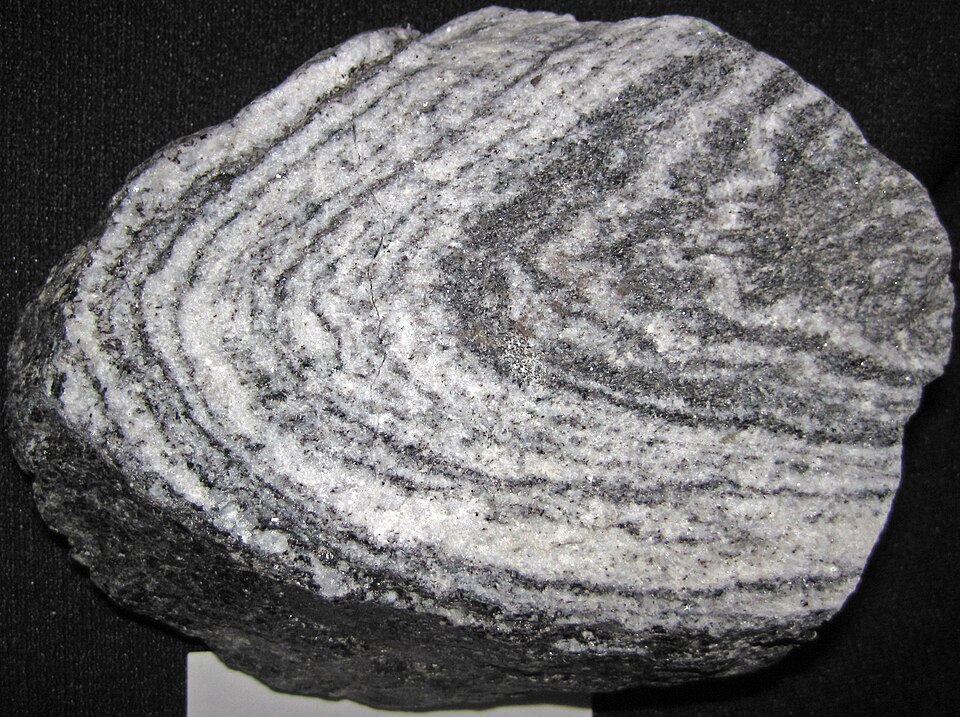
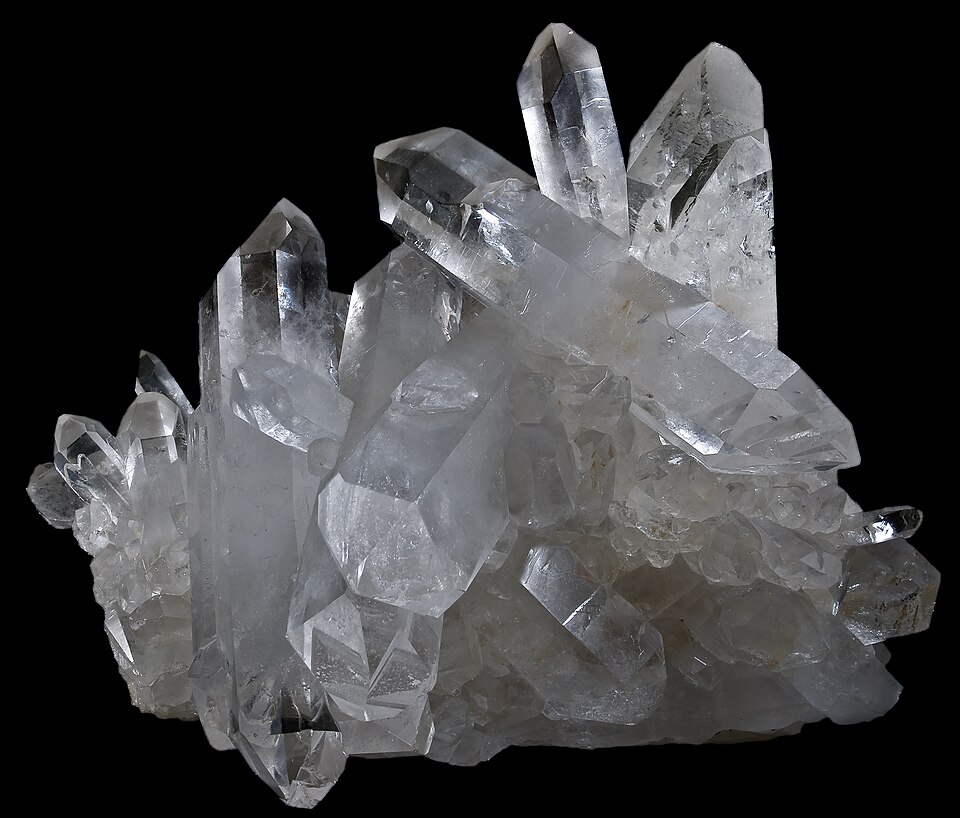
Key differences between Gneiss and Quartz
- Both sit near Mohs 6–7, so a scratch test alone will not separate them. Lean on luster, streak and heft instead.
- Hold a thin edge to the light: Gneiss is Opaque, Quartz is Transparent to translucent.
- They overlap in gray, pink, and black, but Gneiss also comes in white and multicolored and Quartz also comes in clear, purple, yellow, and brown.
Gneiss vs Quartz properties
| Property | Gneiss | Quartz |
|---|---|---|
| Type | Metamorphic Rocks | Quartz Family |
| Mohs hardness | 6–7 | 7 |
| Luster | Vitreous to glimmering (mica-rich bands) | Vitreous, greasy on fracture surfaces |
| Streak | — | White |
| Transparency | Opaque | Transparent to translucent |
| Specific gravity | 2.65–2.75 | 2.65 |
| Crystal system | — | Trigonal |
| Common colors | Gray, Pink, Banded black and white, White | Colorless, White, Purple (amethyst), Yellow (citrine), Pink (rose), Brown/black (smoky) |
| Rarity | common | common |
| Typical specimen value | $1–$75+ | $5–$250+ |
Which is more valuable?
Quartz is usually the more valuable of the two: a typical collector specimen runs about $35 against $10 for Gneiss, and premium Quartz can reach $250 or more.
About Gneiss
Gneiss is a high-grade metamorphic rock defined by coarse banding, called gneissic foliation, in which light-colored quartz and feldspar layers alternate with darker bands rich in biotite, hornblende, or garnet. It forms under intense heat and pressure deep within the crust, often from the metamorphism of granite, sedimentary rock, or a lower-grade metamorphic precursor like schist. The word gneiss derives from an old German mining term meaning roughly bright or sparkling.
About Quartz
Quartz is silicon dioxide, SiO2, one of the most abundant minerals in Earth's continental crust, crystallizing in the trigonal division of the hexagonal crystal system with a hardness of 7 that makes it a standard reference point on the Mohs scale. Its six-sided prismatic crystals, often terminated by pyramidal points, are among the most recognizable crystal shapes in mineralogy. Quartz occurs in nearly every rock type and geologic setting, from granite pegmatites to sedimentary sandstones to hydrothermal veins.
Gneiss vs Quartz FAQ
Is Gneiss the same as Quartz?
No. Gneiss is a metamorphic rock while Quartz is a quartz family. Both sit near Mohs 6–7, so a scratch test alone will not separate them. Lean on luster, streak and heft instead.
How can you tell Gneiss from Quartz?
Both sit near Mohs 6–7, so a scratch test alone will not separate them. Lean on luster, streak and heft instead. Hold a thin edge to the light: Gneiss is Opaque, Quartz is Transparent to translucent. They overlap in gray, pink, and black, but Gneiss also comes in white and multicolored and Quartz also comes in clear, purple, yellow, and brown.
Which is harder, Gneiss or Quartz?
Quartz is harder: Mohs 7 against Mohs 6–7 for Gneiss.
Which is more valuable, Gneiss or Quartz?
Quartz is usually the more valuable of the two: a typical collector specimen runs about $35 against $10 for Gneiss, and premium Quartz can reach $250 or more.

