
Comparison · Sedimentary Rocks vs Silicate Minerals
Chalk vs Kaolinite
Chalk and Kaolinite are easy to confuse. Both sit near Mohs 1–2, so a scratch test alone will not separate them. Lean on luster, streak and heft instead. Below is a side-by-side comparison of their properties and the quick tests that separate them.
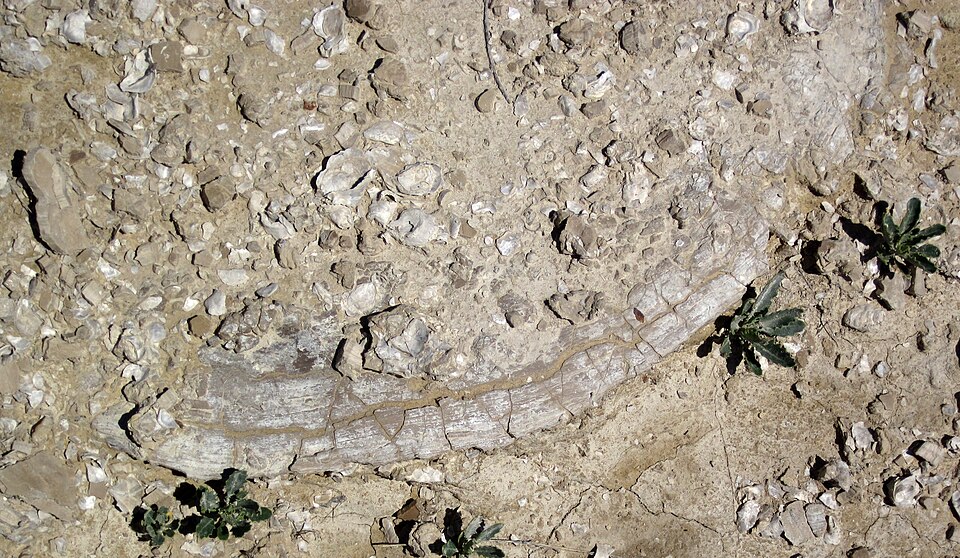
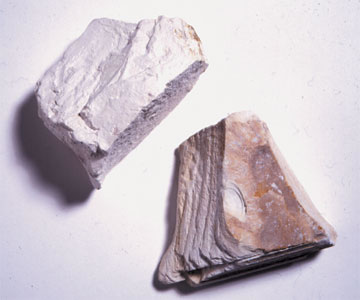
Key differences between Chalk and Kaolinite
- Both sit near Mohs 1–2, so a scratch test alone will not separate them. Lean on luster, streak and heft instead.
- Hold a thin edge to the light: Chalk is Opaque, Kaolinite is opaque.
Chalk vs Kaolinite properties
| Property | Chalk | Kaolinite |
|---|---|---|
| Type | Sedimentary Rocks | Silicate Minerals |
| Mohs hardness | 1–2 | 2 |
| Luster | Dull, earthy | earthy |
| Streak | White | White |
| Transparency | Opaque | opaque |
| Specific gravity | 1.9–2.6 | 2.6 |
| Crystal system | — | triclinic |
| Common colors | White, Pale gray, Cream, Yellowish white | White, Cream, Pale yellow, Light gray |
| Rarity | common | common |
| Typical specimen value | $1–$75+ | $2–$80+ |
Which is more valuable?
Kaolinite is usually the more valuable of the two: a typical collector specimen runs about $15 against $10 for Chalk, and premium Kaolinite can reach $80 or more.
About Chalk
Chalk is a soft, fine-grained sedimentary rock composed almost entirely of calcium carbonate, formed from the microscopic calcite plates of marine algae called coccolithophores that accumulated on ancient seafloors. Its extremely fine, porous texture gives it a distinctively soft, powdery feel unlike denser limestones built from shell fragments or crystalline calcite. Chalk deposits, such as the White Cliffs of Dover, record enormous spans of slow, quiet marine deposition during the Cretaceous period.
About Kaolinite
Kaolinite is a soft white clay mineral and the main component of the rock kaolin, or china clay. It forms fine-grained earthy masses produced by the weathering of feldspar-rich rocks and is a key industrial raw material.
Chalk vs Kaolinite FAQ
Is Chalk the same as Kaolinite?
No. Chalk is a sedimentary rock while Kaolinite is a silicate mineral. Both sit near Mohs 1–2, so a scratch test alone will not separate them. Lean on luster, streak and heft instead.
How can you tell Chalk from Kaolinite?
Both sit near Mohs 1–2, so a scratch test alone will not separate them. Lean on luster, streak and heft instead. Hold a thin edge to the light: Chalk is Opaque, Kaolinite is opaque.
Which is harder, Chalk or Kaolinite?
Kaolinite is harder: Mohs 2 against Mohs 1–2 for Chalk.
Which is more valuable, Chalk or Kaolinite?
Kaolinite is usually the more valuable of the two: a typical collector specimen runs about $15 against $10 for Chalk, and premium Kaolinite can reach $80 or more.

