
Comparison · Sedimentary Rocks
Chalk vs Limestone
Chalk and Limestone are easy to confuse because both are sedimentary rocks. Limestone is harder (Mohs 3) than Chalk (Mohs 1–2), so Limestone will scratch Chalk and not the other way round. A fingernail (Mohs 2.5) scratches it easily. Below is a side-by-side comparison of their properties and the quick tests that separate them.
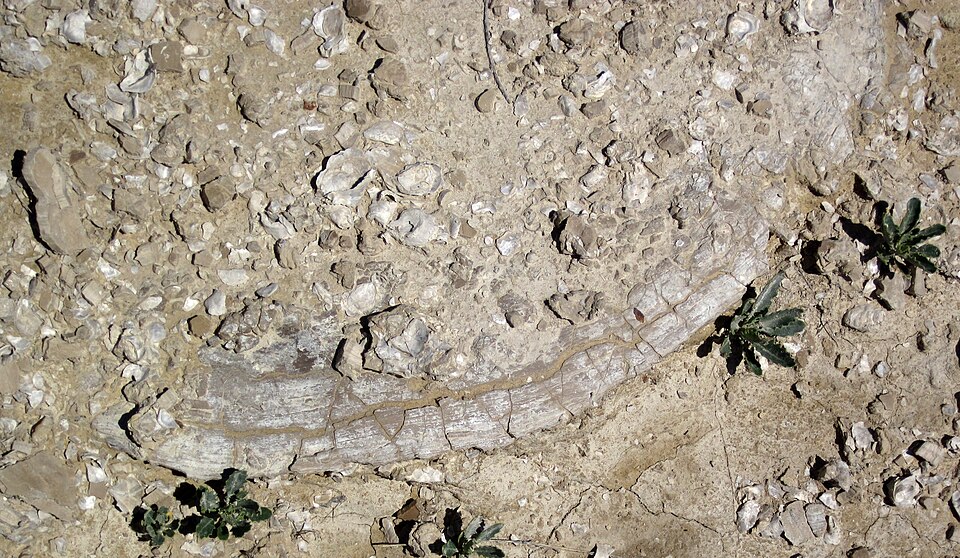
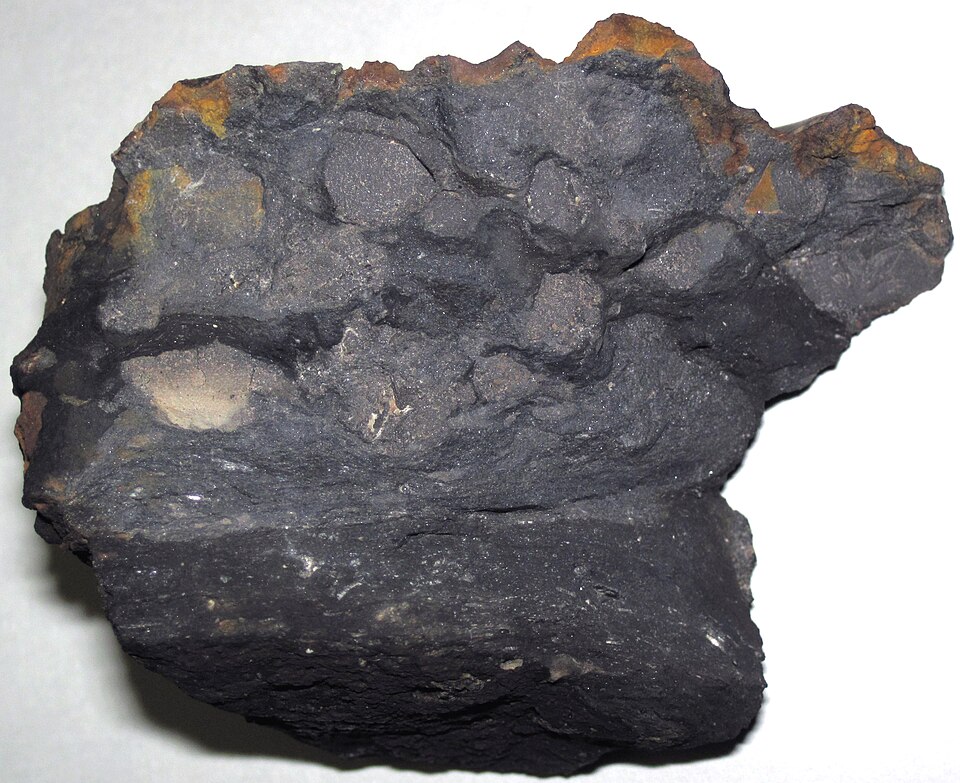
Key differences between Chalk and Limestone
- Limestone is harder (Mohs 3) than Chalk (Mohs 1–2), so Limestone will scratch Chalk and not the other way round. A fingernail (Mohs 2.5) scratches it easily.
- Hold a thin edge to the light: Chalk is Opaque, Limestone is opaque.
- They overlap in white, gray, and yellow, but Limestone also comes in brown.
Chalk vs Limestone properties
| Property | Chalk | Limestone |
|---|---|---|
| Type | Sedimentary Rocks | Sedimentary Rocks |
| Mohs hardness | 1–2 | 3 |
| Luster | Dull, earthy | dull |
| Streak | White | White |
| Transparency | Opaque | opaque |
| Specific gravity | 1.9–2.6 | 2.7 |
| Crystal system | — | varies |
| Common colors | White, Pale gray, Cream, Yellowish white | White, Gray, Tan, Yellow |
| Rarity | common | common |
| Typical specimen value | $1–$75+ | $1–$50+ |
Which is more valuable?
Typical specimens of Chalk and Limestone trade in a similar range, around $10.
About Chalk
Chalk is a soft, fine-grained sedimentary rock composed almost entirely of calcium carbonate, formed from the microscopic calcite plates of marine algae called coccolithophores that accumulated on ancient seafloors. Its extremely fine, porous texture gives it a distinctively soft, powdery feel unlike denser limestones built from shell fragments or crystalline calcite. Chalk deposits, such as the White Cliffs of Dover, record enormous spans of slow, quiet marine deposition during the Cretaceous period.
About Limestone
Limestone is a sedimentary rock composed mainly of calcium carbonate. It often contains fossils and is the precursor to marble.
Chalk vs Limestone FAQ
Is Chalk the same as Limestone?
No. Both are sedimentary rocks, but they are distinct rock types with different hardness, streak or luster. Limestone is harder (Mohs 3) than Chalk (Mohs 1–2), so Limestone will scratch Chalk and not the other way round. A fingernail (Mohs 2.5) scratches it easily.
How can you tell Chalk from Limestone?
Limestone is harder (Mohs 3) than Chalk (Mohs 1–2), so Limestone will scratch Chalk and not the other way round. A fingernail (Mohs 2.5) scratches it easily. Hold a thin edge to the light: Chalk is Opaque, Limestone is opaque. They overlap in white, gray, and yellow, but Limestone also comes in brown.
Which is harder, Chalk or Limestone?
Limestone is harder: Mohs 3 against Mohs 1–2 for Chalk.
Which is more valuable, Chalk or Limestone?
Typical specimens of Chalk and Limestone trade in a similar range, around $10.

