
Comparison · Minerals
Chalcocite vs Graphite
Chalcocite and Graphite are easy to confuse because both are minerals. Chalcocite is harder (Mohs 2.5–3) than Graphite (Mohs 1–2), so Chalcocite will scratch Graphite and not the other way round. A fingernail (Mohs 2.5) scratches it easily. Below is a side-by-side comparison of their properties and the quick tests that separate them.
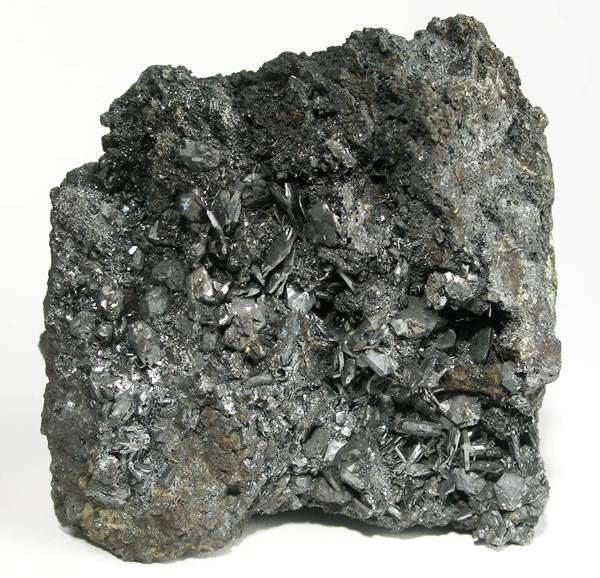
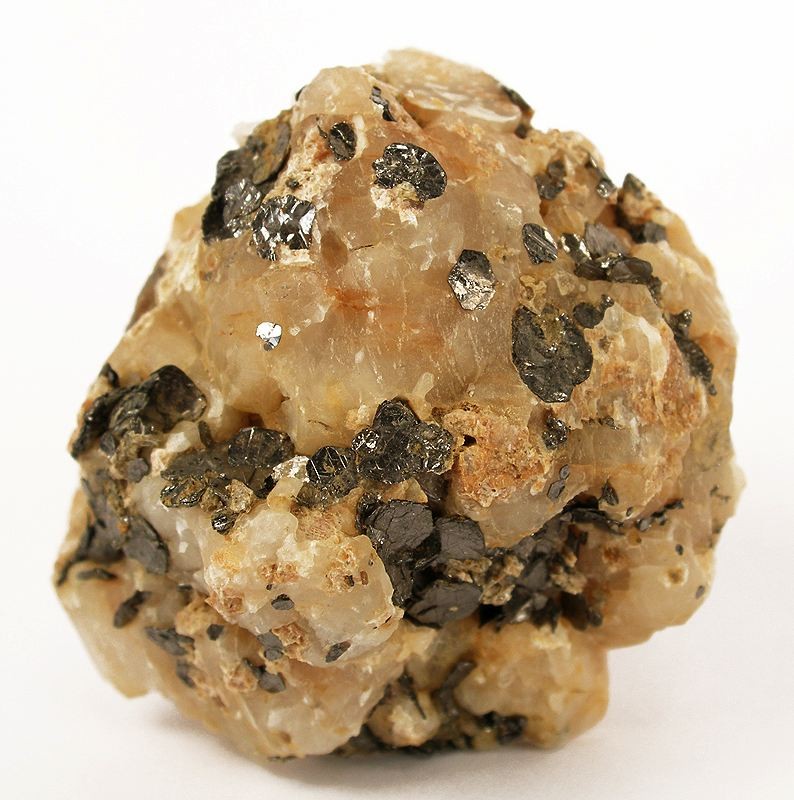
Key differences between Chalcocite and Graphite
- Chalcocite is harder (Mohs 2.5–3) than Graphite (Mohs 1–2), so Chalcocite will scratch Graphite and not the other way round. A fingernail (Mohs 2.5) scratches it easily.
- Streak color differs: Chalcocite leaves a dark gray to black streak on unglazed porcelain, Graphite leaves black, shiny gray-black.
- Both look metallic, so compare color, tarnish and weight rather than shine.
- Chalcocite feels noticeably heavier for its size (specific gravity 5.5–5.8 versus 2.09–2.23 for Graphite).
- Well-formed crystals give it away: Chalcocite is Monoclinic, Graphite is Hexagonal.
Chalcocite vs Graphite properties
| Property | Chalcocite | Graphite |
|---|---|---|
| Type | Minerals | Minerals |
| Mohs hardness | 2.5–3 | 1–2 |
| Luster | Metallic | Metallic to dull/earthy |
| Streak | Dark gray to black | Black, shiny gray-black |
| Transparency | Opaque | Opaque |
| Specific gravity | 5.5–5.8 | 2.09–2.23 |
| Crystal system | Monoclinic | Hexagonal |
| Common colors | Blackish lead-gray, Black | Black, Steel-gray |
| Rarity | common | common |
| Typical specimen value | $2–$150+ | $2–$150+ |
Which is more valuable?
Typical specimens of Chalcocite and Graphite trade in a similar range, around $20.
About Chalcocite
Chalcocite is copper sulfide, Cu2S, and one of the richest copper ore minerals by weight, containing nearly 80 percent copper. It crystallizes in the orthorhombic system but commonly appears in fine-grained, massive, dark gray to black form rather than as distinct crystals. Unlike most sulfides, it is sectile, meaning a knife blade can shave off a curl rather than shatter it.
About Graphite
Graphite is native carbon, chemically identical to diamond but crystallizing in a completely different structure of stacked hexagonal sheets that slide easily past one another. This layered atomic arrangement gives graphite its softness, greasy feel, and ability to conduct electricity, all properties diamond lacks despite sharing the same element. It forms through the metamorphism of carbon-rich sedimentary rocks or through the crystallization of carbon in igneous and hydrothermal settings.
Chalcocite vs Graphite FAQ
Is Chalcocite the same as Graphite?
No. Both are minerals, but they are distinct species with different hardness, streak or luster. Chalcocite is harder (Mohs 2.5–3) than Graphite (Mohs 1–2), so Chalcocite will scratch Graphite and not the other way round. A fingernail (Mohs 2.5) scratches it easily.
How can you tell Chalcocite from Graphite?
Chalcocite is harder (Mohs 2.5–3) than Graphite (Mohs 1–2), so Chalcocite will scratch Graphite and not the other way round. A fingernail (Mohs 2.5) scratches it easily. Streak color differs: Chalcocite leaves a dark gray to black streak on unglazed porcelain, Graphite leaves black, shiny gray-black. Both look metallic, so compare color, tarnish and weight rather than shine.
Which is harder, Chalcocite or Graphite?
Chalcocite is harder: Mohs 2.5–3 against Mohs 1–2 for Graphite.
Which is more valuable, Chalcocite or Graphite?
Typical specimens of Chalcocite and Graphite trade in a similar range, around $20.

