StoneSnapDownload

Types of Igneous Rocks

Igneous rocks form when molten magma or lava cools and hardens. Slow cooling underground grows visible interlocking crystals (intrusive rocks such as granite, diorite and gabbro), while fast cooling at the surface produces fine-grained or glassy extrusive rocks such as basalt, rhyolite, pumice and obsidian.

Identify them by grain size, color (light felsic rocks rich in quartz and feldspar versus dark mafic rocks rich in iron and magnesium) and texture: gas bubbles point to a lava flow, large crystals in a fine matrix mean a porphyry.

Mohs hardness in this group runs from 2 to 7.

All igneous rocks (32)
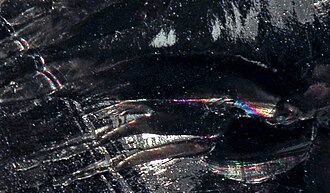
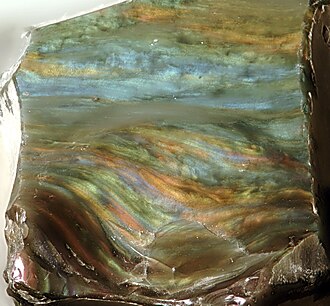
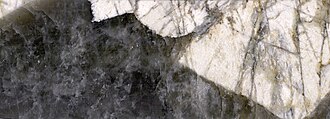
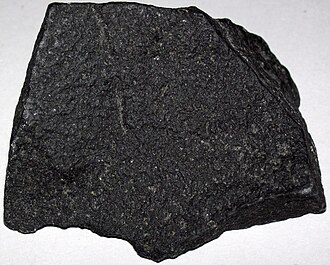
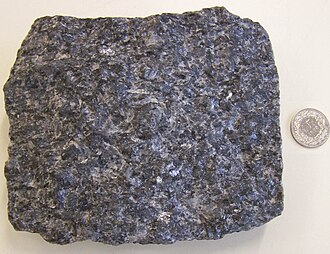
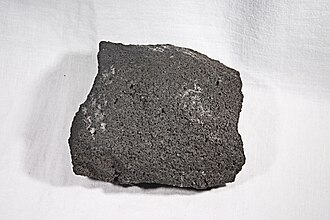
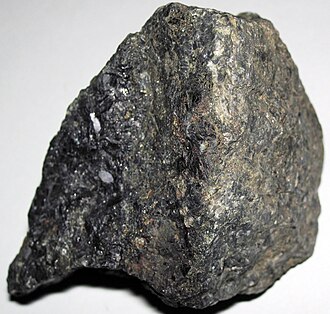
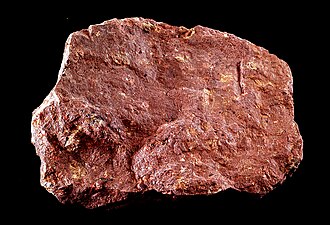
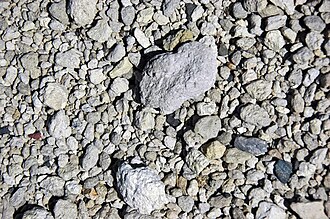
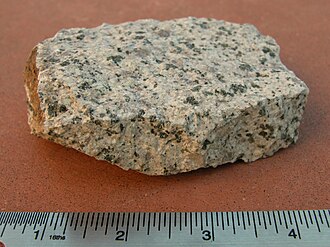
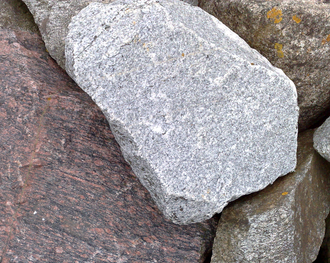
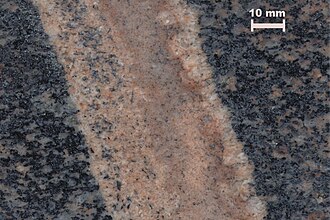
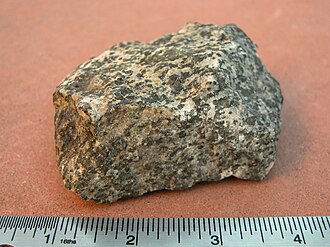
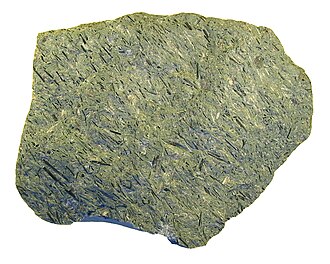
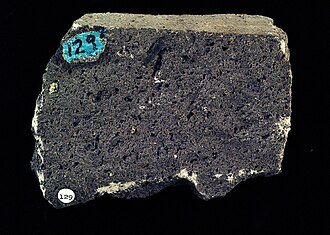
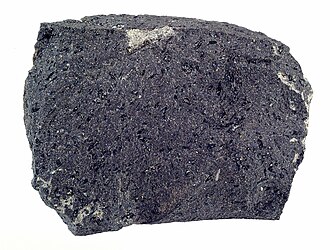
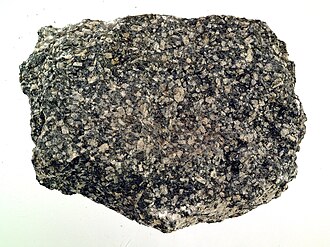
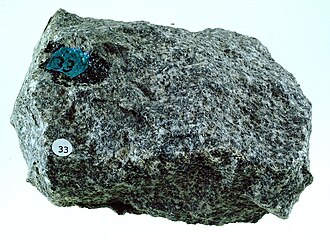
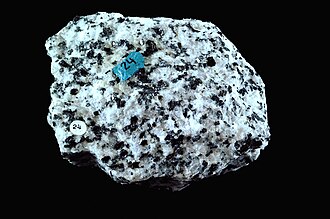
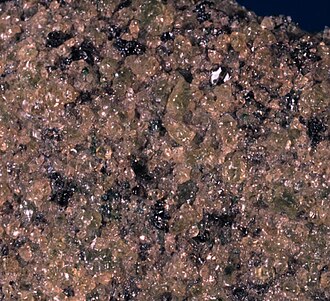
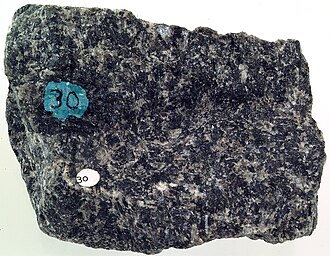
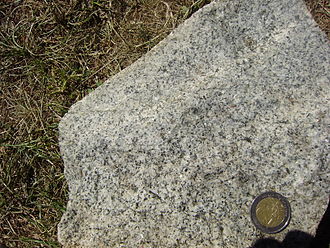
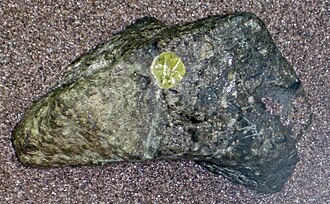
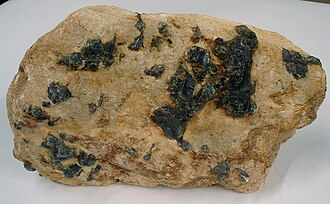
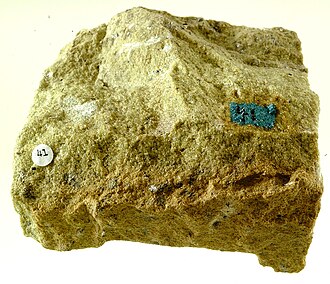
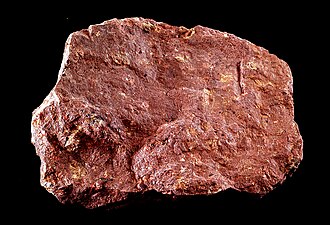
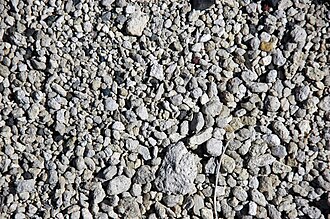
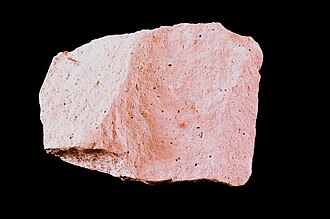
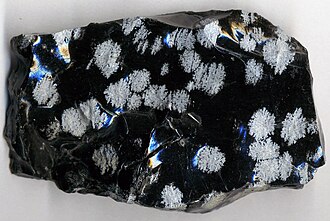
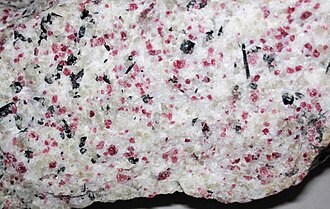
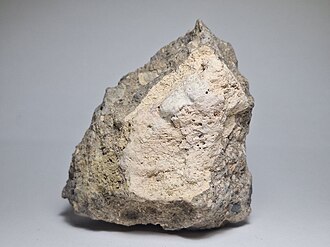
Obsidian specimen: black and brown igneous rockObsidianMohs 5.5 · White streakRainbow Obsidian specimen: black with rainbow sheen and purple igneous rockRainbow ObsidianMohs 5.5 · White streakGranite specimen: pink and gray igneous rockGraniteMohs 6.5 · Variable; test individual minerals streakBasalt specimen: black and dark gray igneous rockBasaltMohs 6 · Variable; test individual minerals streakLarvikite specimen: dark gray and blue gray igneous rockLarvikiteMohs 6 · White to light gray streakBasaltic Andesite specimen: dark gray and black igneous rockBasaltic AndesiteMohs 6 · Gray to dark gray streakAnorthosite specimen: white and gray igneous rockAnorthositeMohs 6 · White to pale gray streakTrachyte specimen: light gray and tan igneous rockTrachyteMohs 6 · Light gray to white streakIgnimbrite specimen: tan and pink igneous rockIgnimbriteMohs 6 · Variable; often light gray or tan streakMonzonite specimen: gray and pink igneous rockMonzoniteMohs 6 · Variable; usually light gray streakTonalite specimen: white and gray igneous rockTonaliteMohs 6 · White to light gray streakAplite specimen: white and pink igneous rockApliteMohs 6 · White to pale pink streakNorite specimen: black and dark gray igneous rockNoriteMohs 6 · Gray to white streakPhonolite specimen: gray and greenish gray igneous rockPhonoliteMohs 6 · Light gray to white streakTephrite specimen: dark gray and black igneous rockTephriteMohs 6 · Gray to dark gray streakAndesite specimen: gray and dark gray igneous rockAndesiteMohs 5–6 · Dull groundmass with vitreous phenocrystsDacite specimen: gray and light gray igneous rockDaciteMohs 6–7 · Dull to vitreousDiabase specimen: igneous rockDiabaseMohs 6 · Variable; test individual minerals streakDiorite specimen: salt-and-pepper gray and dark gray igneous rockDioriteMohs 6–7 · Vitreous to dull (granular)Dunite specimen: olive green and yellowish green igneous rockDuniteMohs 6.5–7 · Vitreous (olivine grains)Gabbro specimen: dark gray and black igneous rockGabbroMohs 5–6.5 · Dull to vitreous (in crystals)Granodiorite specimen: light gray and gray igneous rockGranodioriteMohs 6–7 · Vitreous to dull (mixed mineral grains)Kimberlite specimen: blue-gray ('blue ground') and yellow ('yellow ground', weathered) igneous rockKimberliteMohs 5–6.5 · Dull to vitreousPegmatite specimen: pink and white igneous rockPegmatiteMohs 6–7 · Vitreous (large crystal faces)Peridotite specimen: green and dark green igneous rockPeridotiteMohs 5.5–7 · Vitreous (olivine and pyroxene grains)Porphyry specimen: purple and red igneous rockPorphyryMohs 5–7 · Dull to vitreousPumice specimen: white and light gray igneous rockPumiceMohs 5–6 · Dull to glassyRhyolite specimen: pink and gray igneous rockRhyoliteMohs 5.5–7 · Dull to vitreous (glassy groundmass)Scoria specimen: dark red and black igneous rockScoriaMohs 5–6 · Dull, glassySnowflake Obsidian specimen: black and black and white igneous rockSnowflake ObsidianMohs 5.5 · White streakSyenite specimen: gray and pink igneous rockSyeniteMohs 5.5–6.5 · Vitreous (feldspar crystals)Tuff specimen: light gray and tan igneous rockTuffMohs 2–5 · Dull to earthy; glassy shards may show vitreous luster

Frequently asked questions

What are the most common igneous rocks?

The most searched igneous rocks in the StoneSnap database are Obsidian, Rainbow Obsidian, Granite, Basalt, and Larvikite.

How do you identify igneous rocks?

Start with luster and color, then bracket the Mohs hardness with a scratch test and check the streak on unglazed porcelain. Mohs hardness in this group runs from 2 to 7. Each entry below lists the diagnostic properties and its common look-alikes.

Not sure what you found?

Snap a photo with StoneSnap and get an instant match with properties, value estimates and look-alikes — free to try.

Download on the App StoreGet it on Google Play