
Comparison · Igneous Rocks
Rhyolite vs Snowflake Obsidian
Rhyolite and Snowflake Obsidian are easy to confuse because both are igneous rocks. Both sit near Mohs 5.5–7, so a scratch test alone will not separate them. Lean on luster, streak and heft instead. Below is a side-by-side comparison of their properties and the quick tests that separate them.
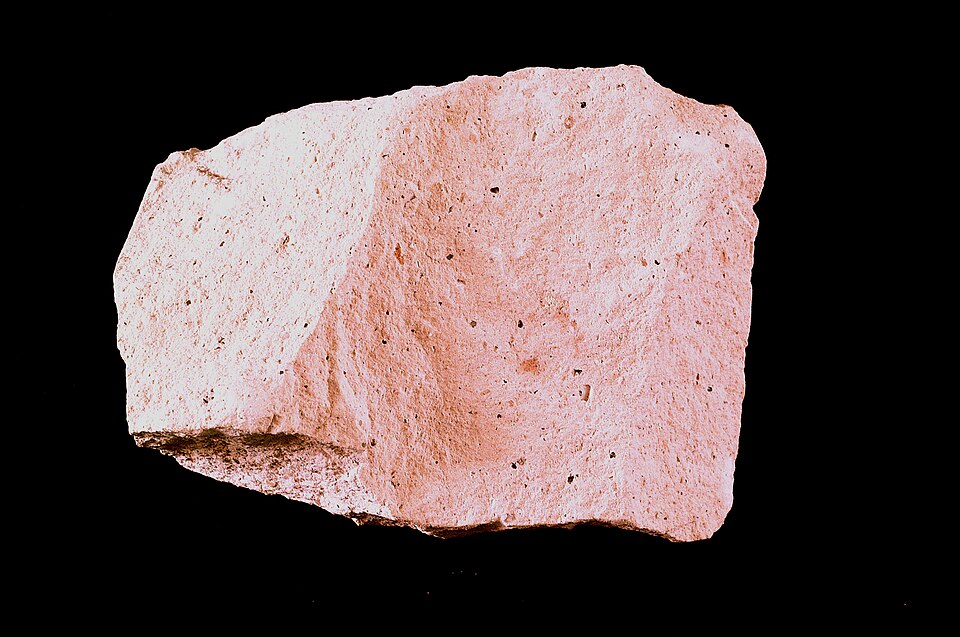
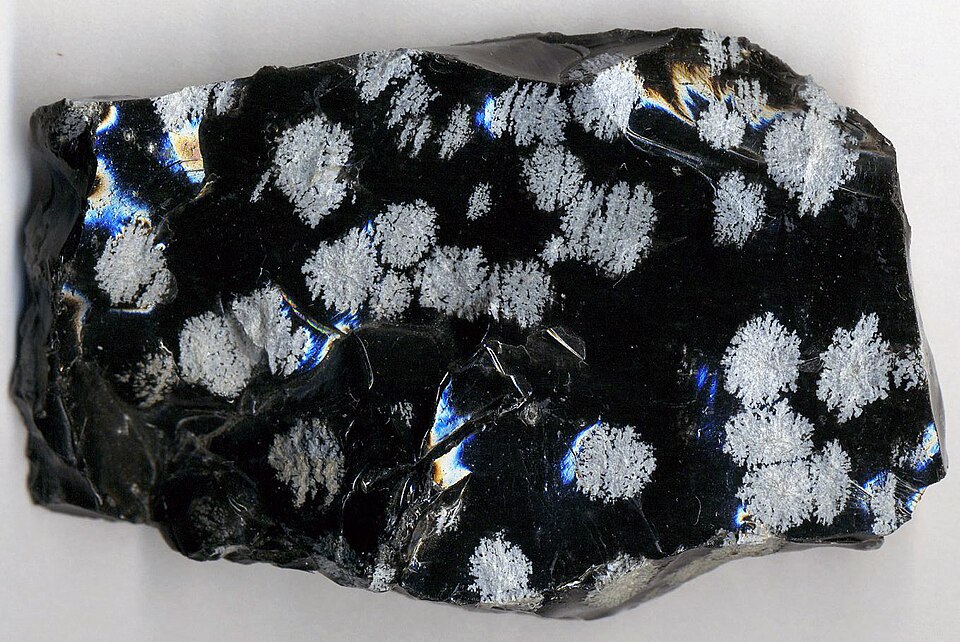
Key differences between Rhyolite and Snowflake Obsidian
- Both sit near Mohs 5.5–7, so a scratch test alone will not separate them. Lean on luster, streak and heft instead.
- Hold a thin edge to the light: Rhyolite is Opaque, Snowflake Obsidian is opaque.
- They overlap in white, but Rhyolite also comes in pink, gray, brown, red, and multicolored and Snowflake Obsidian also comes in black.
Rhyolite vs Snowflake Obsidian properties
| Property | Rhyolite | Snowflake Obsidian |
|---|---|---|
| Type | Igneous Rocks | Igneous Rocks |
| Mohs hardness | 5.5–7 | 5.5 |
| Luster | Dull to vitreous (glassy groundmass) | vitreous |
| Streak | — | White |
| Transparency | Opaque | opaque |
| Specific gravity | 2.35–2.7 | 2.4 |
| Common colors | Pink, Gray, Tan, Red, White, Banded | Black, Black and white |
| Rarity | common | common |
| Typical specimen value | $1–$75+ | $3–$120+ |
Which is more valuable?
Snowflake Obsidian is usually the more valuable of the two: a typical collector specimen runs about $25 against $10 for Rhyolite, and premium Snowflake Obsidian can reach $120 or more.
About Rhyolite
Rhyolite is a fine-grained volcanic igneous rock chemically equivalent to granite but formed by rapid cooling of silica-rich lava at or near Earth's surface rather than slow crystallization underground. Its high silica content makes rhyolitic magma extremely viscous, often producing explosive eruptions and distinctive flow-banded textures as the sticky lava moves sluggishly before solidifying. Rhyolite typically appears pale gray, pink, or tan and frequently contains visible bands or streaks recording its flow history.
About Snowflake Obsidian
Snowflake obsidian is a black volcanic glass marked by gray-white spherulitic patches that resemble snowflakes. The pale clusters are crystals of cristobalite that grew as the originally glassy rock slowly began to crystallize.
Rhyolite vs Snowflake Obsidian FAQ
Is Rhyolite the same as Snowflake Obsidian?
No. Both are igneous rocks, but they are distinct rock types with different hardness, streak or luster. Both sit near Mohs 5.5–7, so a scratch test alone will not separate them. Lean on luster, streak and heft instead.
How can you tell Rhyolite from Snowflake Obsidian?
Both sit near Mohs 5.5–7, so a scratch test alone will not separate them. Lean on luster, streak and heft instead. Hold a thin edge to the light: Rhyolite is Opaque, Snowflake Obsidian is opaque. They overlap in white, but Rhyolite also comes in pink, gray, brown, red, and multicolored and Snowflake Obsidian also comes in black.
Which is harder, Rhyolite or Snowflake Obsidian?
Rhyolite is harder: Mohs 5.5–7 against Mohs 5.5 for Snowflake Obsidian.
Which is more valuable, Rhyolite or Snowflake Obsidian?
Snowflake Obsidian is usually the more valuable of the two: a typical collector specimen runs about $25 against $10 for Rhyolite, and premium Snowflake Obsidian can reach $120 or more.

