
Comparison · Metamorphic Rocks
Phyllite vs Serpentinite
Phyllite and Serpentinite are easy to confuse because both are metamorphic rocks. Both sit near Mohs 2.5–4, so a scratch test alone will not separate them. Lean on luster, streak and heft instead. Below is a side-by-side comparison of their properties and the quick tests that separate them.
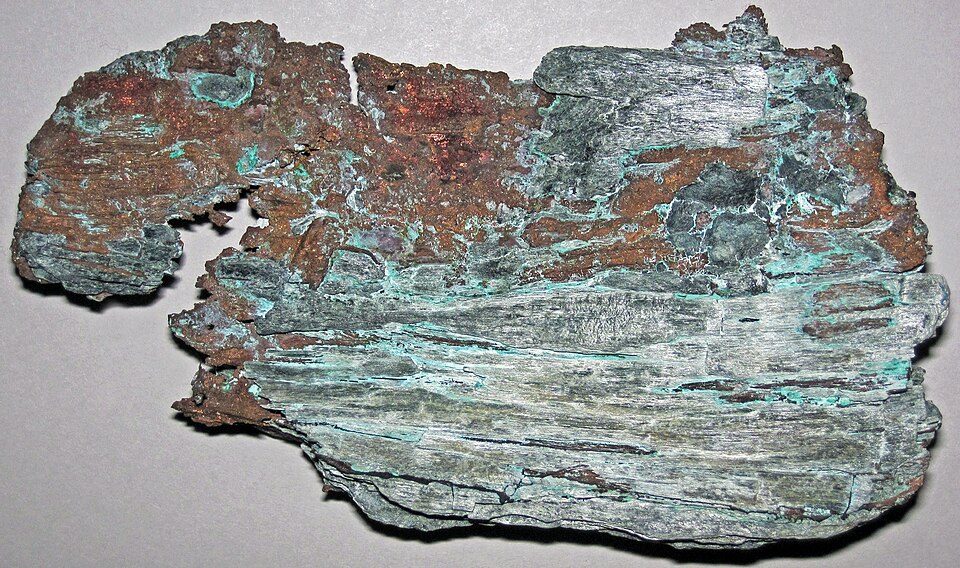
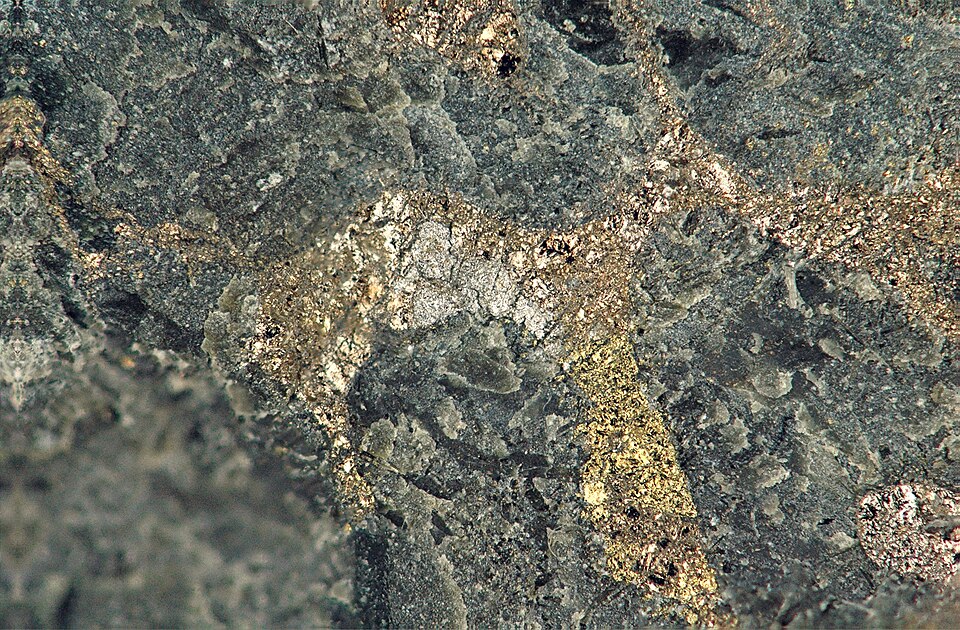
Key differences between Phyllite and Serpentinite
- Both sit near Mohs 2.5–4, so a scratch test alone will not separate them. Lean on luster, streak and heft instead.
- Hold a thin edge to the light: Phyllite is Opaque, Serpentinite is Opaque, translucent in thin splinters.
- They overlap in green and black, but Phyllite also comes in gray and Serpentinite also comes in yellow and multicolored.
Phyllite vs Serpentinite properties
| Property | Phyllite | Serpentinite |
|---|---|---|
| Type | Metamorphic Rocks | Metamorphic Rocks |
| Mohs hardness | 2.5–4 | 2.5–4 |
| Luster | Silky to satiny (sericite/chlorite sheen) | Greasy, waxy, silky |
| Streak | — | White |
| Transparency | Opaque | Opaque, translucent in thin splinters |
| Specific gravity | 2.7–2.9 | 2.5–2.6 |
| Common colors | Silvery gray, Greenish gray, Black | Green, Dark green, Yellowish green, Mottled green and black |
| Rarity | common | common |
| Typical specimen value | $1–$75+ | $1–$75+ |
Which is more valuable?
Typical specimens of Phyllite and Serpentinite trade in a similar range, around $10.
About Phyllite
Phyllite is a fine-grained metamorphic rock that represents an intermediate grade between low-grade slate and higher-grade schist, formed by the continued metamorphism of shale or slate under increasing heat and pressure. Its surfaces show a distinctive silky, satiny sheen produced by microscopic mica and chlorite crystals just large enough to reflect light but too small to see individually. Phyllite typically splits along wavy, crenulated foliation surfaces rather than the perfectly flat planes of slate.
About Serpentinite
Serpentinite is a metamorphic rock composed largely of serpentine group minerals, chiefly antigorite, chrysotile, and lizardite, formed through the hydrothermal alteration of olivine-rich ultramafic rock. The reaction, called serpentinization, occurs when water reacts with peridotite or dunite at moderate temperatures, releasing heat and hydrogen while transforming the rock's mineralogy and texture. Its mottled green surface, often resembling snakeskin, gives the rock its name.
Phyllite vs Serpentinite FAQ
Is Phyllite the same as Serpentinite?
No. Both are metamorphic rocks, but they are distinct rock types with different hardness, streak or luster. Both sit near Mohs 2.5–4, so a scratch test alone will not separate them. Lean on luster, streak and heft instead.
How can you tell Phyllite from Serpentinite?
Both sit near Mohs 2.5–4, so a scratch test alone will not separate them. Lean on luster, streak and heft instead. Hold a thin edge to the light: Phyllite is Opaque, Serpentinite is Opaque, translucent in thin splinters. They overlap in green and black, but Phyllite also comes in gray and Serpentinite also comes in yellow and multicolored.
Which is harder, Phyllite or Serpentinite?
They are about equally hard, both near Mohs 2.5–4.
Which is more valuable, Phyllite or Serpentinite?
Typical specimens of Phyllite and Serpentinite trade in a similar range, around $10.

