
Comparison · Minerals vs Sulfide Minerals
Galena vs Sphalerite
Galena and Sphalerite are easy to confuse. Sphalerite is harder (Mohs 3.75) than Galena (Mohs 2.5), so Sphalerite will scratch Galena and not the other way round. A copper coin (Mohs 3.5) scratches it, but a fingernail does not. Below is a side-by-side comparison of their properties and the quick tests that separate them.
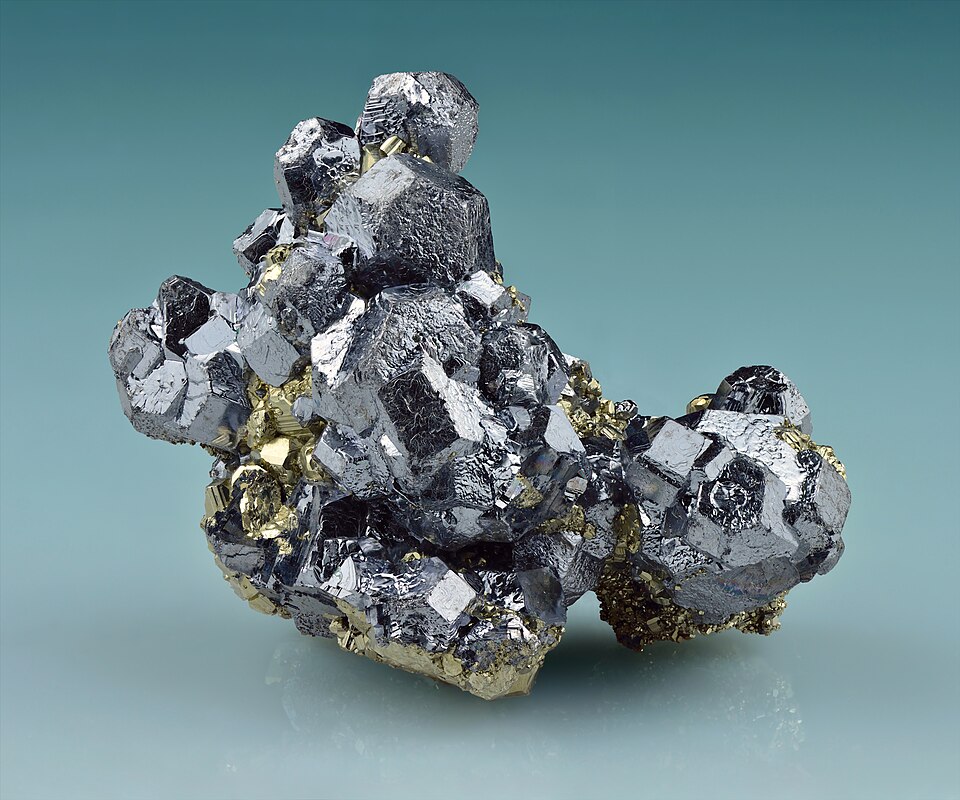
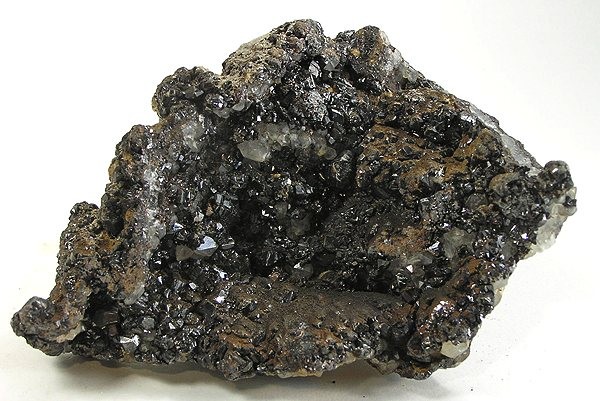
Key differences between Galena and Sphalerite
- Sphalerite is harder (Mohs 3.75) than Galena (Mohs 2.5), so Sphalerite will scratch Galena and not the other way round. A copper coin (Mohs 3.5) scratches it, but a fingernail does not.
- Streak color differs: Galena leaves a lead-gray streak on unglazed porcelain, Sphalerite leaves brownish white to pale yellow.
- Luster is different: Galena is metallic, bright while Sphalerite is resinous.
- Galena feels noticeably heavier for its size (specific gravity 7.4–7.6 versus 4.05 for Sphalerite).
- Hold a thin edge to the light: Galena is Opaque, Sphalerite is transparent.
- Well-formed crystals give it away: Galena is Cubic, Sphalerite is cubic.
Galena vs Sphalerite properties
| Property | Galena | Sphalerite |
|---|---|---|
| Type | Minerals | Sulfide Minerals |
| Mohs hardness | 2.5 | 3.75 |
| Luster | Metallic, bright | resinous |
| Streak | Lead-gray | Brownish white to pale yellow |
| Transparency | Opaque | transparent |
| Specific gravity | 7.4–7.6 | 4.05 |
| Crystal system | Cubic | cubic |
| Common colors | Lead-gray, Silvery gray | Brown, Black, Yellow, Red, Green |
| Rarity | common | common |
| Typical specimen value | $2–$150+ | $5–$600+ |
Which is more valuable?
Sphalerite is usually the more valuable of the two: a typical collector specimen runs about $70 against $20 for Galena, and premium Sphalerite can reach $600 or more.
About Galena
Galena is lead sulfide, PbS, the primary ore of lead and a significant source of silver, crystallizing in the cubic system with a distinctive metallic luster and remarkably high density for its size. Its perfect cubic cleavage produces sharp-edged cubes and stair-stepped fracture surfaces that make it one of the easiest minerals to identify by touch alone. Galena has been mined since antiquity and remains one of the most commercially important sulfide minerals on Earth.
About Sphalerite
Sphalerite is zinc sulfide, the most important ore of zinc. It ranges from honey-yellow and green to brown and black, with a distinctive resinous to adamantine luster and perfect dodecahedral cleavage in six directions.
Galena vs Sphalerite FAQ
Is Galena the same as Sphalerite?
No. Galena is a mineral while Sphalerite is a sulfide mineral. Sphalerite is harder (Mohs 3.75) than Galena (Mohs 2.5), so Sphalerite will scratch Galena and not the other way round. A copper coin (Mohs 3.5) scratches it, but a fingernail does not.
How can you tell Galena from Sphalerite?
Sphalerite is harder (Mohs 3.75) than Galena (Mohs 2.5), so Sphalerite will scratch Galena and not the other way round. A copper coin (Mohs 3.5) scratches it, but a fingernail does not. Streak color differs: Galena leaves a lead-gray streak on unglazed porcelain, Sphalerite leaves brownish white to pale yellow. Luster is different: Galena is metallic, bright while Sphalerite is resinous.
Which is harder, Galena or Sphalerite?
Sphalerite is harder: Mohs 3.75 against Mohs 2.5 for Galena.
Which is more valuable, Galena or Sphalerite?
Sphalerite is usually the more valuable of the two: a typical collector specimen runs about $70 against $20 for Galena, and premium Sphalerite can reach $600 or more.

