
Comparison · Organic Gems vs Sulfide Minerals
Amber vs Sphalerite
Amber and Sphalerite are easy to confuse. Sphalerite is harder (Mohs 3.75) than Amber (Mohs 2.5), so Sphalerite will scratch Amber and not the other way round. A copper coin (Mohs 3.5) scratches it, but a fingernail does not. Below is a side-by-side comparison of their properties and the quick tests that separate them.
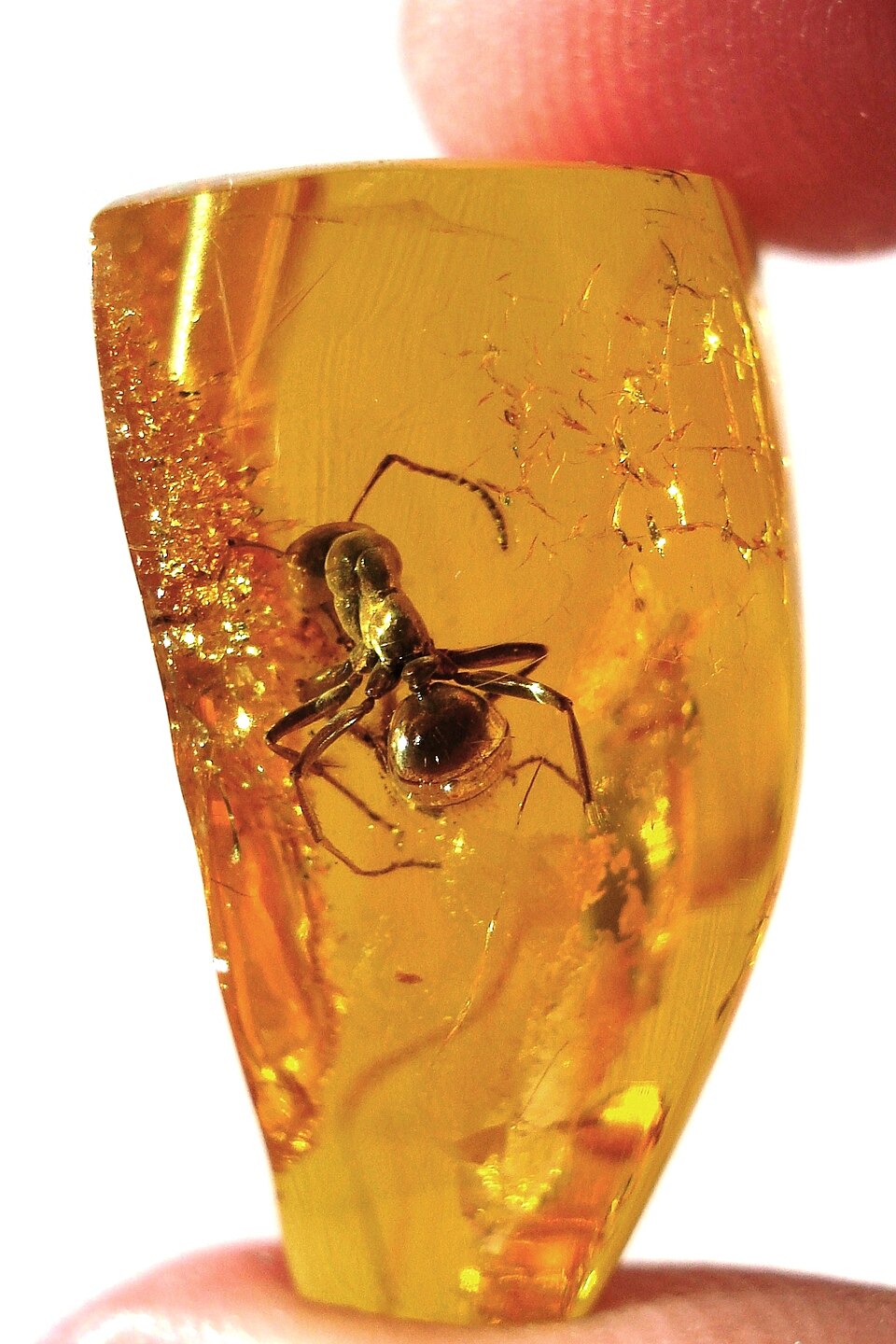
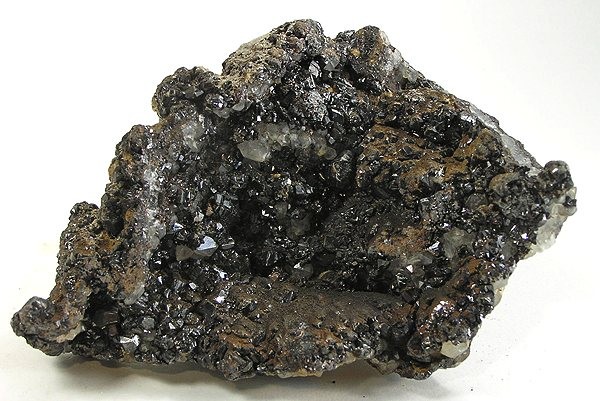
Key differences between Amber and Sphalerite
- Sphalerite is harder (Mohs 3.75) than Amber (Mohs 2.5), so Sphalerite will scratch Amber and not the other way round. A copper coin (Mohs 3.5) scratches it, but a fingernail does not.
- Streak color differs: Amber leaves a white streak on unglazed porcelain, Sphalerite leaves brownish white to pale yellow.
- Sphalerite feels noticeably heavier for its size (specific gravity 4.05 versus 1.1 for Amber).
- They overlap in yellow, brown, red, and green, but Amber also comes in orange and blue and Sphalerite also comes in black.
- Well-formed crystals give it away: Amber is amorphous, Sphalerite is cubic.
Amber vs Sphalerite properties
| Property | Amber | Sphalerite |
|---|---|---|
| Type | Organic Gems | Sulfide Minerals |
| Mohs hardness | 2.5 | 3.75 |
| Luster | resinous | resinous |
| Streak | White | Brownish white to pale yellow |
| Transparency | transparent | transparent |
| Specific gravity | 1.1 | 4.05 |
| Crystal system | amorphous | cubic |
| Common colors | Yellow, Orange, Brown, Red, Green, Blue | Brown, Black, Yellow, Red, Green |
| Rarity | uncommon | common |
| Typical specimen value | $20–$5000+ | $5–$600+ |
Which is more valuable?
Amber is usually the more valuable of the two: a typical collector specimen runs about $100 against $70 for Sphalerite, and premium Amber can reach $5000 or more.
About Amber
Amber is fossilized tree resin, typically 30-90 million years old. It often contains preserved insects and plants, providing windows into prehistoric life.
About Sphalerite
Sphalerite is zinc sulfide, the most important ore of zinc. It ranges from honey-yellow and green to brown and black, with a distinctive resinous to adamantine luster and perfect dodecahedral cleavage in six directions.
Amber vs Sphalerite FAQ
Is Amber the same as Sphalerite?
No. Amber is a organic gem while Sphalerite is a sulfide mineral. Sphalerite is harder (Mohs 3.75) than Amber (Mohs 2.5), so Sphalerite will scratch Amber and not the other way round. A copper coin (Mohs 3.5) scratches it, but a fingernail does not.
How can you tell Amber from Sphalerite?
Sphalerite is harder (Mohs 3.75) than Amber (Mohs 2.5), so Sphalerite will scratch Amber and not the other way round. A copper coin (Mohs 3.5) scratches it, but a fingernail does not. Streak color differs: Amber leaves a white streak on unglazed porcelain, Sphalerite leaves brownish white to pale yellow. Sphalerite feels noticeably heavier for its size (specific gravity 4.05 versus 1.1 for Amber).
Which is harder, Amber or Sphalerite?
Sphalerite is harder: Mohs 3.75 against Mohs 2.5 for Amber.
Which is more valuable, Amber or Sphalerite?
Amber is usually the more valuable of the two: a typical collector specimen runs about $100 against $70 for Sphalerite, and premium Amber can reach $5000 or more.

