
Comparison · Sedimentary Rocks
Dolomite vs Travertine
Dolomite and Travertine are easy to confuse because both are sedimentary rocks. Both sit near Mohs 3.5–4, so a scratch test alone will not separate them. Lean on luster, streak and heft instead. Below is a side-by-side comparison of their properties and the quick tests that separate them.
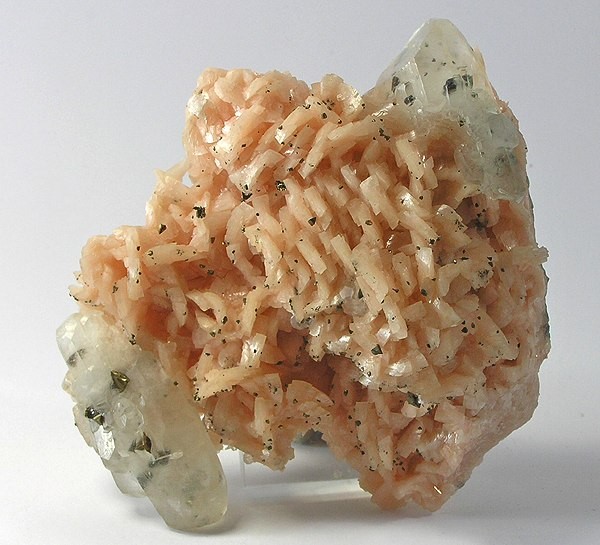
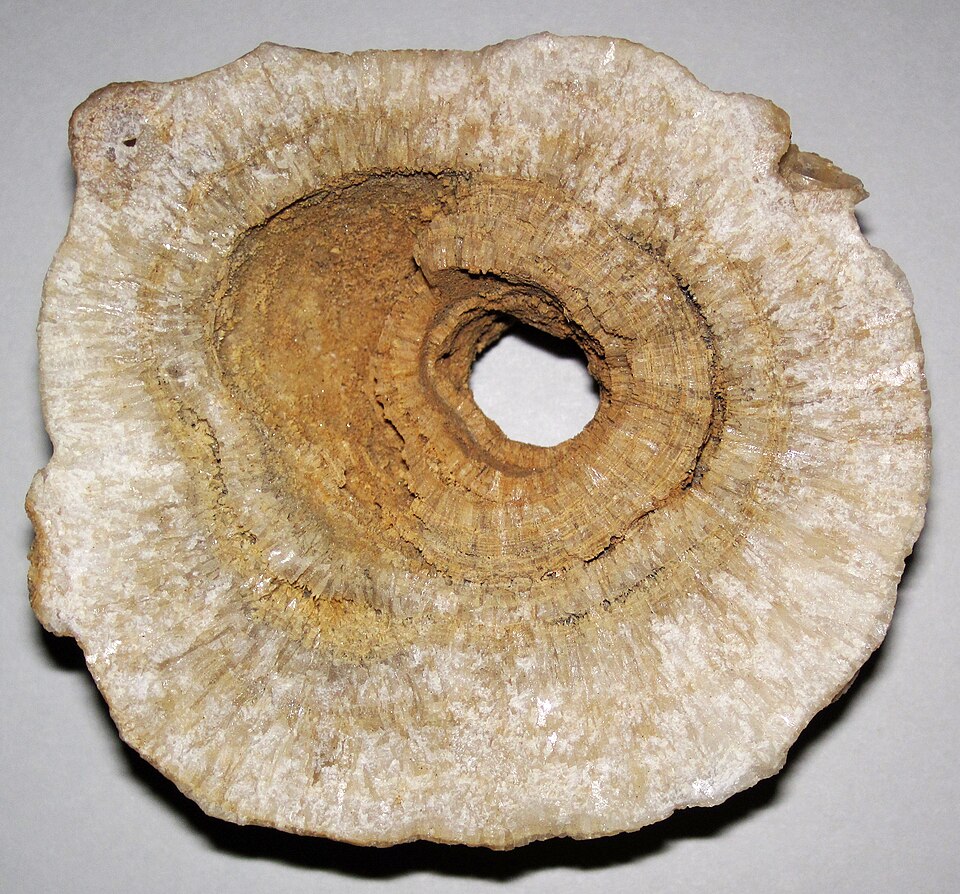
Key differences between Dolomite and Travertine
- Both sit near Mohs 3.5–4, so a scratch test alone will not separate them. Lean on luster, streak and heft instead.
- Hold a thin edge to the light: Dolomite is Opaque, Travertine is Opaque, translucent in thin layers.
- They overlap in white and brown, but Dolomite also comes in gray, pink, and yellow and Travertine also comes in multicolored.
Dolomite vs Travertine properties
| Property | Dolomite | Travertine |
|---|---|---|
| Type | Sedimentary Rocks | Sedimentary Rocks |
| Mohs hardness | 3.5–4 | 3–4 |
| Luster | Vitreous to dull | Vitreous to dull, sometimes pearly |
| Streak | White | White |
| Transparency | Opaque | Opaque, translucent in thin layers |
| Specific gravity | 2.8–2.9 | 2.4–2.7 |
| Common colors | White, Gray, Pink, Brown, Yellow | White, Cream, Tan, Beige, Banded brown |
| Rarity | common | common |
| Typical specimen value | $1–$75+ | $1–$75+ |
Which is more valuable?
Typical specimens of Dolomite and Travertine trade in a similar range, around $10.
About Dolomite
Dolomite refers both to the mineral calcium magnesium carbonate, CaMg(CO3)2, and to dolostone, the sedimentary rock composed largely of that mineral. Dolostone typically forms when magnesium-rich water alters existing limestone after deposition, replacing some of the original calcium with magnesium in a process still actively studied by geologists. The rock is usually pale gray, tan, or pinkish and weathers into rounded, pitted outcrops distinct from sharper limestone cliffs.
About Travertine
Travertine is a dense, banded sedimentary rock formed by the rapid precipitation of calcium carbonate from mineral-rich spring water, often at hot springs or along streams fed by limestone aquifers. Unlike most limestone, which forms slowly on ocean floors, travertine can build up quickly around a spring's mouth as dissolved carbon dioxide escapes the water and calcite drops out of solution. Its layered, sometimes porous texture makes it a distinctive and widely used building stone.
Dolomite vs Travertine FAQ
Is Dolomite the same as Travertine?
No. Both are sedimentary rocks, but they are distinct rock types with different hardness, streak or luster. Both sit near Mohs 3.5–4, so a scratch test alone will not separate them. Lean on luster, streak and heft instead.
How can you tell Dolomite from Travertine?
Both sit near Mohs 3.5–4, so a scratch test alone will not separate them. Lean on luster, streak and heft instead. Hold a thin edge to the light: Dolomite is Opaque, Travertine is Opaque, translucent in thin layers. They overlap in white and brown, but Dolomite also comes in gray, pink, and yellow and Travertine also comes in multicolored.
Which is harder, Dolomite or Travertine?
They are about equally hard, both near Mohs 3.5–4.
Which is more valuable, Dolomite or Travertine?
Typical specimens of Dolomite and Travertine trade in a similar range, around $10.

