
Comparison · Sedimentary Rocks vs Sulfide Minerals
Dolomite vs Marcasite
Dolomite and Marcasite are easy to confuse. Marcasite is harder (Mohs 6) than Dolomite (Mohs 3.5–4), so Marcasite will scratch Dolomite and not the other way round. A steel knife blade (Mohs 5.5) scratches it; a copper coin does not. Below is a side-by-side comparison of their properties and the quick tests that separate them.
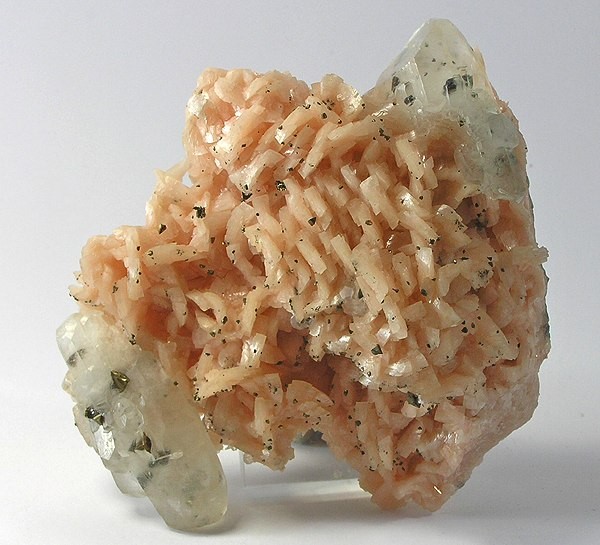
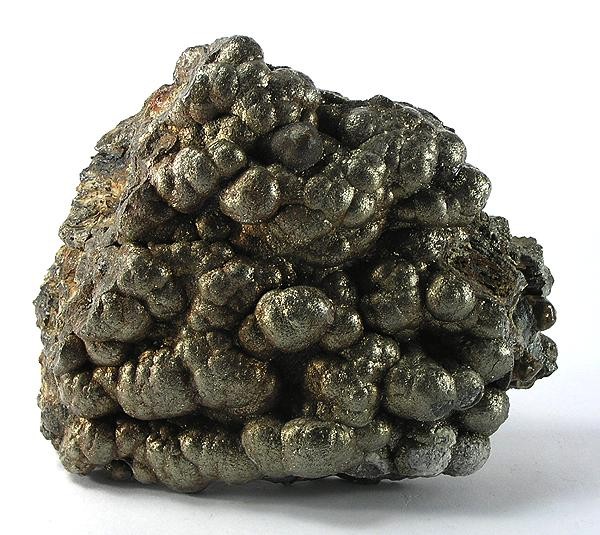
Key differences between Dolomite and Marcasite
- Marcasite is harder (Mohs 6) than Dolomite (Mohs 3.5–4), so Marcasite will scratch Dolomite and not the other way round. A steel knife blade (Mohs 5.5) scratches it; a copper coin does not.
- Streak color differs: Dolomite leaves a white streak on unglazed porcelain, Marcasite leaves dark greenish gray to brownish black.
- Luster is different: Dolomite is vitreous to dull while Marcasite is metallic.
- Marcasite feels noticeably heavier for its size (specific gravity 4.9 versus 2.8–2.9 for Dolomite).
- Hold a thin edge to the light: Dolomite is Opaque, Marcasite is opaque.
- They overlap in white, brown, and yellow, but Dolomite also comes in gray and pink.
Dolomite vs Marcasite properties
| Property | Dolomite | Marcasite |
|---|---|---|
| Type | Sedimentary Rocks | Sulfide Minerals |
| Mohs hardness | 3.5–4 | 6 |
| Luster | Vitreous to dull | metallic |
| Streak | White | Dark greenish gray to brownish black |
| Transparency | Opaque | opaque |
| Specific gravity | 2.8–2.9 | 4.9 |
| Crystal system | — | orthorhombic |
| Common colors | White, Gray, Pink, Brown, Yellow | Pale brass yellow, Tin white, Bronze |
| Rarity | common | common |
| Typical specimen value | $1–$75+ | $5–$200+ |
Which is more valuable?
Marcasite is usually the more valuable of the two: a typical collector specimen runs about $35 against $10 for Dolomite, and premium Marcasite can reach $200 or more.
About Dolomite
Dolomite refers both to the mineral calcium magnesium carbonate, CaMg(CO3)2, and to dolostone, the sedimentary rock composed largely of that mineral. Dolostone typically forms when magnesium-rich water alters existing limestone after deposition, replacing some of the original calcium with magnesium in a process still actively studied by geologists. The rock is usually pale gray, tan, or pinkish and weathers into rounded, pitted outcrops distinct from sharper limestone cliffs.
About Marcasite
Marcasite is an iron sulfide mineral with the same composition as pyrite but a different crystal structure. It appears as pale brass-yellow crystals, radiating groups, and botryoidal masses, and is prone to crumbling as it oxidizes over time.
Dolomite vs Marcasite FAQ
Is Dolomite the same as Marcasite?
No. Dolomite is a sedimentary rock while Marcasite is a sulfide mineral. Marcasite is harder (Mohs 6) than Dolomite (Mohs 3.5–4), so Marcasite will scratch Dolomite and not the other way round. A steel knife blade (Mohs 5.5) scratches it; a copper coin does not.
How can you tell Dolomite from Marcasite?
Marcasite is harder (Mohs 6) than Dolomite (Mohs 3.5–4), so Marcasite will scratch Dolomite and not the other way round. A steel knife blade (Mohs 5.5) scratches it; a copper coin does not. Streak color differs: Dolomite leaves a white streak on unglazed porcelain, Marcasite leaves dark greenish gray to brownish black. Luster is different: Dolomite is vitreous to dull while Marcasite is metallic.
Which is harder, Dolomite or Marcasite?
Marcasite is harder: Mohs 6 against Mohs 3.5–4 for Dolomite.
Which is more valuable, Dolomite or Marcasite?
Marcasite is usually the more valuable of the two: a typical collector specimen runs about $35 against $10 for Dolomite, and premium Marcasite can reach $200 or more.

