
Comparison · Minerals vs Precious Stones
Corundum vs Diamond
Corundum and Diamond are easy to confuse. Diamond is harder (Mohs 10) than Corundum (Mohs 9), so Diamond will scratch Corundum and not the other way round. It scratches glass, steel and even quartz; only harder gems will mark it. Below is a side-by-side comparison of their properties and the quick tests that separate them.
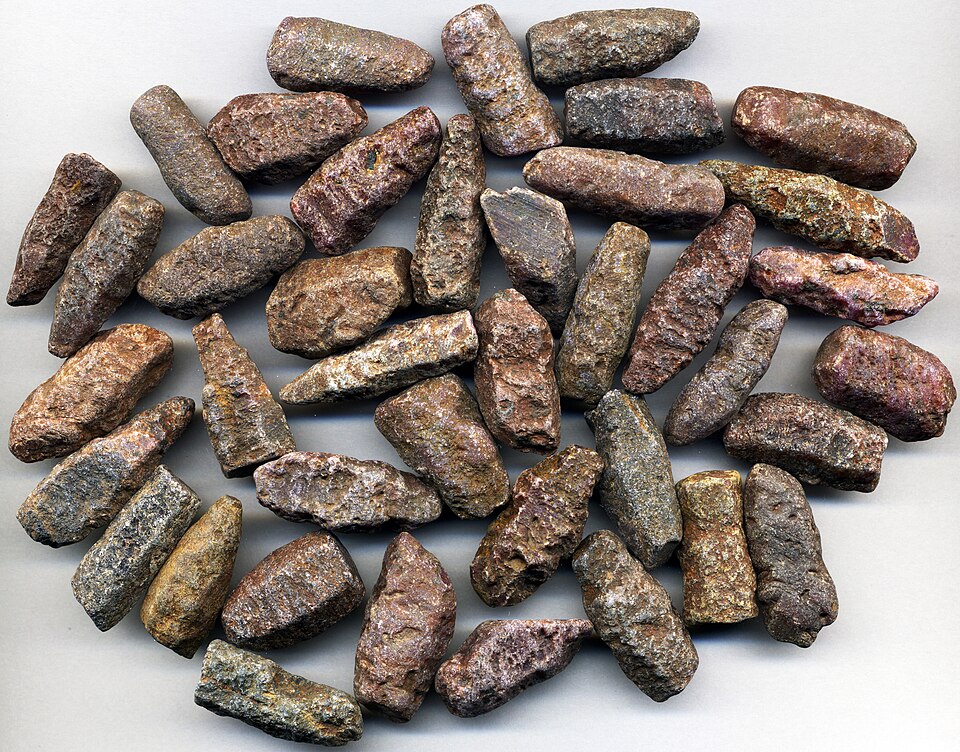
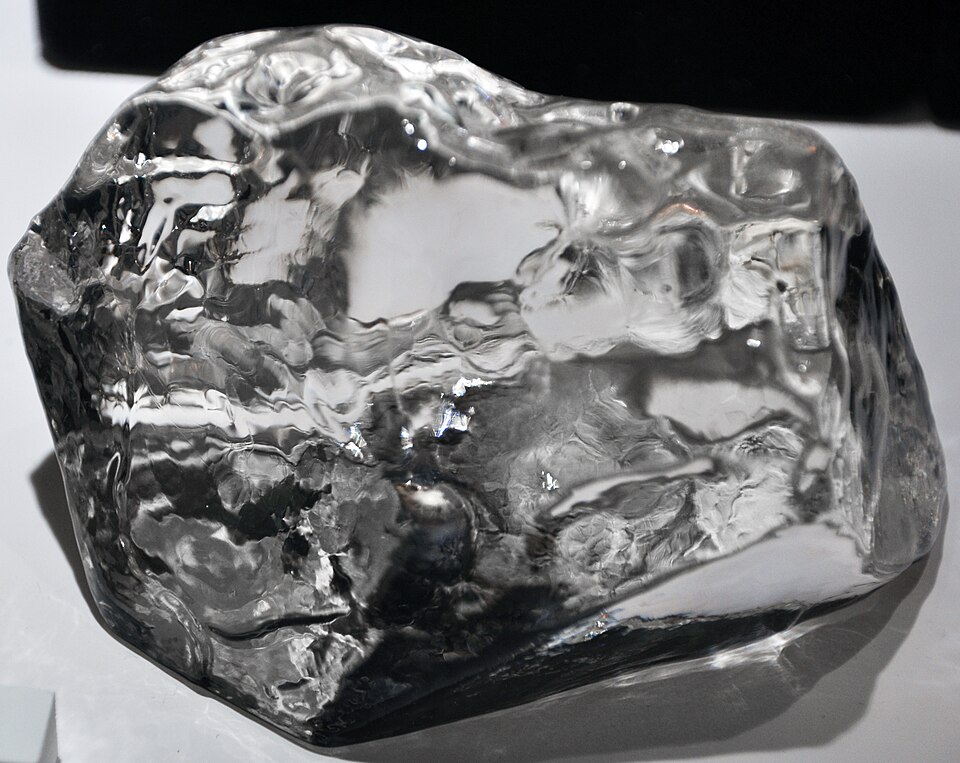
Key differences between Corundum and Diamond
- Diamond is harder (Mohs 10) than Corundum (Mohs 9), so Diamond will scratch Corundum and not the other way round. It scratches glass, steel and even quartz; only harder gems will mark it.
- Streak color differs: Corundum leaves a white (colorless) streak on unglazed porcelain, Diamond leaves none.
- Corundum feels noticeably heavier for its size (specific gravity 3.95–4.10 versus 3.52 for Diamond).
- Hold a thin edge to the light: Corundum is Transparent to translucent, Diamond is transparent.
- They overlap in blue, clear, yellow, and pink, but Corundum also comes in red, green, and gray and Diamond also comes in black.
- Well-formed crystals give it away: Corundum is Trigonal, Diamond is cubic.
Corundum vs Diamond properties
| Property | Corundum | Diamond |
|---|---|---|
| Type | Minerals | Precious Stones |
| Mohs hardness | 9 | 10 |
| Luster | Adamantine to vitreous | adamantine |
| Streak | White (colorless) | None |
| Transparency | Transparent to translucent | transparent |
| Specific gravity | 3.95–4.10 | 3.52 |
| Crystal system | Trigonal | cubic |
| Common colors | Red (ruby), Blue (sapphire), Colorless, Yellow, Green, Pink, Gray | Colorless, Yellow, Blue, Pink, Black |
| Rarity | common | legendary |
| Typical specimen value | $2–$150+ | $1000–$100000+ |
Which is more valuable?
Diamond is usually the more valuable of the two: a typical collector specimen runs about $5000 against $20 for Corundum, and premium Diamond can reach $100000 or more.
About Corundum
Corundum is aluminum oxide, Al2O3, crystallizing in the trigonal system and ranking as the second-hardest natural mineral after diamond. Its gem varieties, red ruby and every other color of sapphire, are colored by trace amounts of chromium, iron, or titanium substituting into an otherwise colorless crystal structure. Non-gem corundum is widely used as an industrial abrasive under the name emery.
About Diamond
Diamond is the hardest known natural material, composed of carbon atoms in a crystal structure. It's the ultimate symbol of luxury and eternal love.
Corundum vs Diamond FAQ
Is Corundum the same as Diamond?
No. Corundum is a mineral while Diamond is a precious stone. Diamond is harder (Mohs 10) than Corundum (Mohs 9), so Diamond will scratch Corundum and not the other way round. It scratches glass, steel and even quartz; only harder gems will mark it.
How can you tell Corundum from Diamond?
Diamond is harder (Mohs 10) than Corundum (Mohs 9), so Diamond will scratch Corundum and not the other way round. It scratches glass, steel and even quartz; only harder gems will mark it. Streak color differs: Corundum leaves a white (colorless) streak on unglazed porcelain, Diamond leaves none. Corundum feels noticeably heavier for its size (specific gravity 3.95–4.10 versus 3.52 for Diamond).
Which is harder, Corundum or Diamond?
Diamond is harder: Mohs 10 against Mohs 9 for Corundum.
Which is more valuable, Corundum or Diamond?
Diamond is usually the more valuable of the two: a typical collector specimen runs about $5000 against $20 for Corundum, and premium Diamond can reach $100000 or more.

