
Comparison · Minerals
Chrysoberyl vs Corundum
Chrysoberyl and Corundum are easy to confuse because both are minerals. Both sit near Mohs 8.5, so a scratch test alone will not separate them. Lean on luster, streak and heft instead. Below is a side-by-side comparison of their properties and the quick tests that separate them.
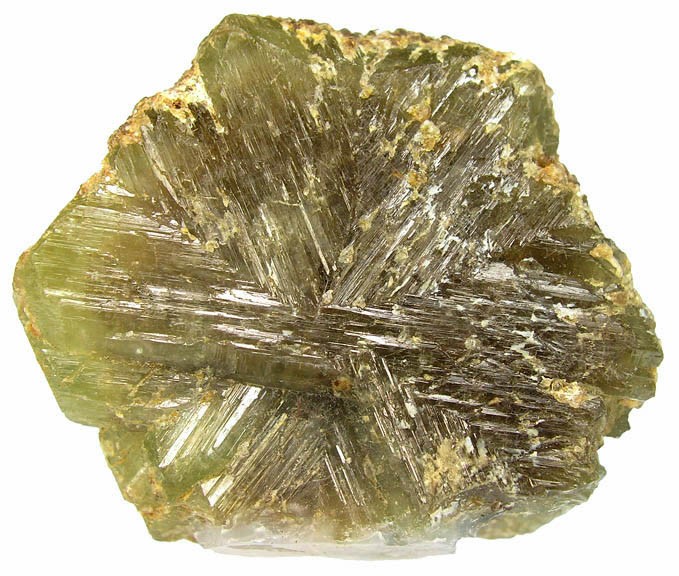
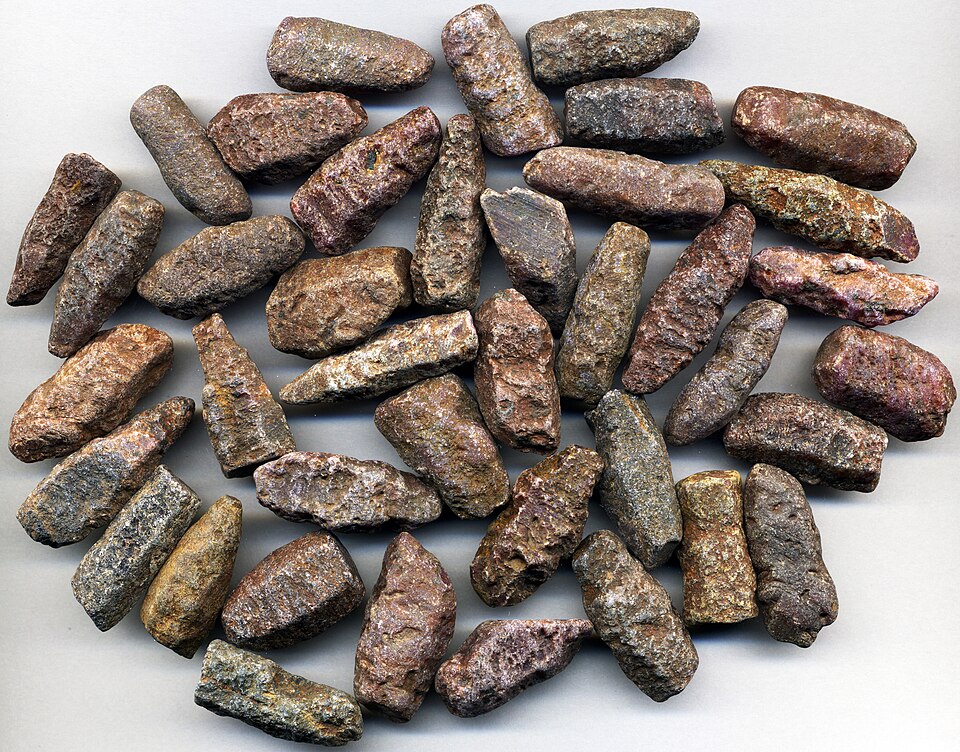
Key differences between Chrysoberyl and Corundum
- Both sit near Mohs 8.5, so a scratch test alone will not separate them. Lean on luster, streak and heft instead.
- Streak color differs: Chrysoberyl leaves a white streak on unglazed porcelain, Corundum leaves white (colorless).
- They overlap in yellow, green, clear, and red, but Chrysoberyl also comes in brown and Corundum also comes in blue, pink, and gray.
- Well-formed crystals give it away: Chrysoberyl is Orthorhombic, Corundum is Trigonal.
Chrysoberyl vs Corundum properties
| Property | Chrysoberyl | Corundum |
|---|---|---|
| Type | Minerals | Minerals |
| Mohs hardness | 8.5 | 9 |
| Luster | Vitreous | Adamantine to vitreous |
| Streak | White | White (colorless) |
| Transparency | Transparent to translucent | Transparent to translucent |
| Specific gravity | 3.65–3.8 | 3.95–4.10 |
| Crystal system | Orthorhombic | Trigonal |
| Common colors | Yellow, Greenish-yellow, Green, Brown, Colorless, Color-change green/red (alexandrite) | Red (ruby), Blue (sapphire), Colorless, Yellow, Green, Pink, Gray |
| Rarity | common | common |
| Typical specimen value | $2–$150+ | $2–$150+ |
Which is more valuable?
Typical specimens of Chrysoberyl and Corundum trade in a similar range, around $20.
About Chrysoberyl
Chrysoberyl is beryllium aluminum oxide, BeAl2O4, an orthorhombic mineral notable for exceptional hardness ranking just below corundum and diamond among natural gem minerals. Despite the beryl in its name, chrysoberyl is chemically unrelated to true beryl, which is a beryllium aluminum silicate rather than an oxide. Its most famous varieties, alexandrite and cat's eye chrysoberyl, are prized gemstones known respectively for dramatic color change and a sharp band of reflected light.
About Corundum
Corundum is aluminum oxide, Al2O3, crystallizing in the trigonal system and ranking as the second-hardest natural mineral after diamond. Its gem varieties, red ruby and every other color of sapphire, are colored by trace amounts of chromium, iron, or titanium substituting into an otherwise colorless crystal structure. Non-gem corundum is widely used as an industrial abrasive under the name emery.
Chrysoberyl vs Corundum FAQ
Is Chrysoberyl the same as Corundum?
No. Both are minerals, but they are distinct species with different hardness, streak or luster. Both sit near Mohs 8.5, so a scratch test alone will not separate them. Lean on luster, streak and heft instead.
How can you tell Chrysoberyl from Corundum?
Both sit near Mohs 8.5, so a scratch test alone will not separate them. Lean on luster, streak and heft instead. Streak color differs: Chrysoberyl leaves a white streak on unglazed porcelain, Corundum leaves white (colorless). They overlap in yellow, green, clear, and red, but Chrysoberyl also comes in brown and Corundum also comes in blue, pink, and gray.
Which is harder, Chrysoberyl or Corundum?
Corundum is harder: Mohs 9 against Mohs 8.5 for Chrysoberyl.
Which is more valuable, Chrysoberyl or Corundum?
Typical specimens of Chrysoberyl and Corundum trade in a similar range, around $20.

