
Comparison · Sedimentary Rocks
Coquina vs Oolite
Coquina and Oolite are easy to confuse because both are sedimentary rocks. Both sit near Mohs 3–4, so a scratch test alone will not separate them. Lean on luster, streak and heft instead. Below is a side-by-side comparison of their properties and the quick tests that separate them.
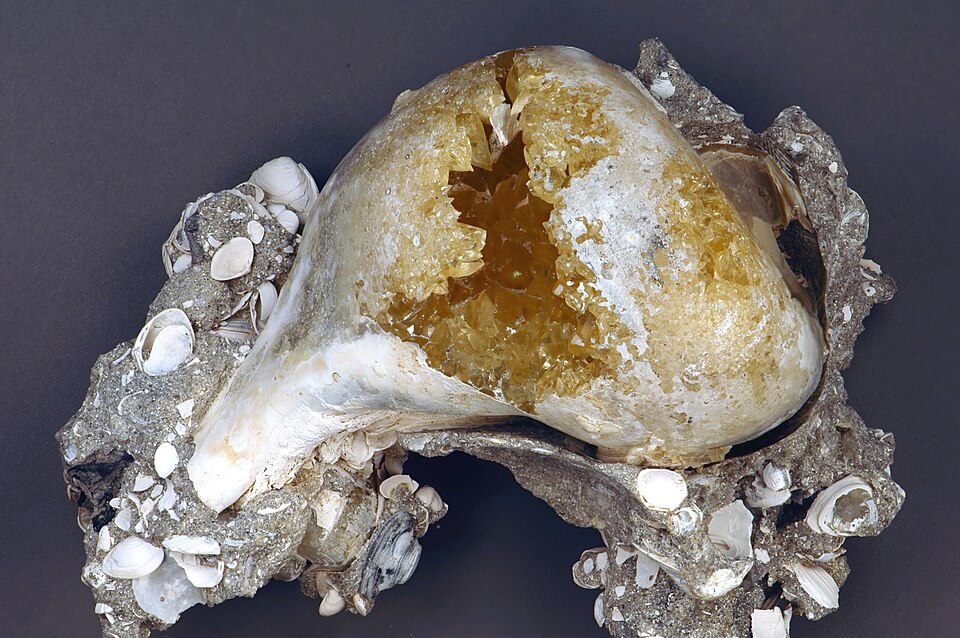
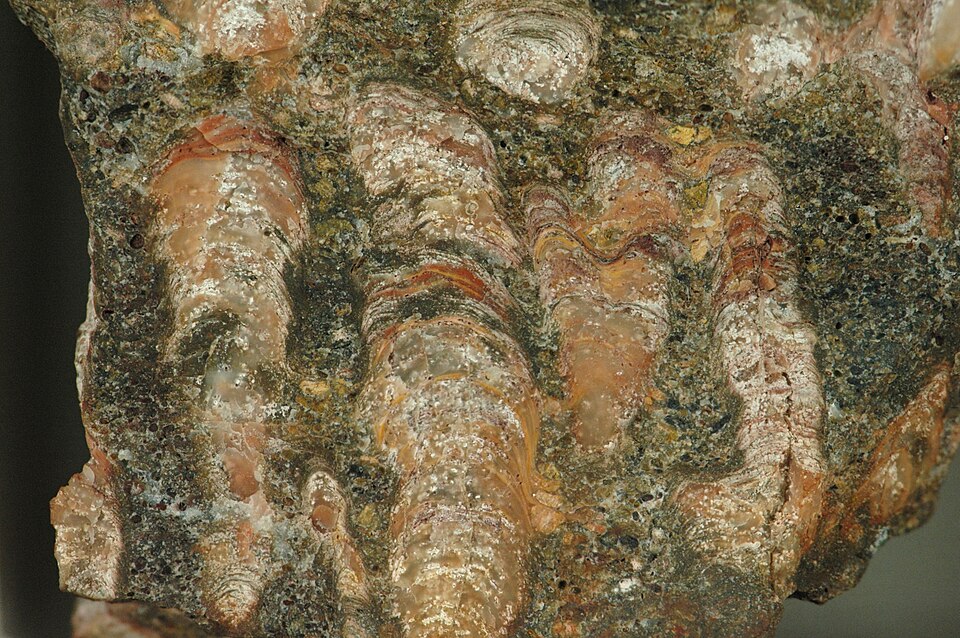
Key differences between Coquina and Oolite
- Both sit near Mohs 3–4, so a scratch test alone will not separate them. Lean on luster, streak and heft instead.
- Oolite feels noticeably heavier for its size (specific gravity 2.7 versus 1.8–2.4 for Coquina).
- Hold a thin edge to the light: Coquina is Opaque, Oolite is opaque.
Coquina vs Oolite properties
| Property | Coquina | Oolite |
|---|---|---|
| Type | Sedimentary Rocks | Sedimentary Rocks |
| Mohs hardness | 3–4 | 3 |
| Luster | Dull | dull |
| Streak | — | White to light-colored |
| Transparency | Opaque | opaque |
| Specific gravity | 1.8–2.4 | 2.7 |
| Crystal system | — | varies |
| Common colors | White, Tan, Cream, Gray | White, Cream, Tan, Gray, Brown |
| Rarity | common | common |
| Typical specimen value | $1–$75+ | $1–$75+ |
Which is more valuable?
Typical specimens of Coquina and Oolite trade in a similar range, around $10.
About Coquina
Coquina is a soft, porous sedimentary rock built almost entirely from loosely cemented shell and coral fragments, a type of biogenic limestone formed in high-energy shoreline environments. Wave action breaks and sorts mollusk and other shell debris before calcium carbonate cement, precipitated from seawater, binds the fragments together into rock. The name derives from the Spanish word for cockle or shellfish, reflecting its shelly origin.
About Oolite
Oolite is a sedimentary rock made of tiny rounded coated grains called ooids, often forming oolitic limestone.
Coquina vs Oolite FAQ
Is Coquina the same as Oolite?
No. Both are sedimentary rocks, but they are distinct rock types with different hardness, streak or luster. Both sit near Mohs 3–4, so a scratch test alone will not separate them. Lean on luster, streak and heft instead.
How can you tell Coquina from Oolite?
Both sit near Mohs 3–4, so a scratch test alone will not separate them. Lean on luster, streak and heft instead. Oolite feels noticeably heavier for its size (specific gravity 2.7 versus 1.8–2.4 for Coquina). Hold a thin edge to the light: Coquina is Opaque, Oolite is opaque.
Which is harder, Coquina or Oolite?
Coquina is harder: Mohs 3–4 against Mohs 3 for Oolite.
Which is more valuable, Coquina or Oolite?
Typical specimens of Coquina and Oolite trade in a similar range, around $10.

