
Comparison · Sedimentary Rocks
Claystone vs Shale
Claystone and Shale are easy to confuse because both are sedimentary rocks. Both sit near Mohs 2–3, so a scratch test alone will not separate them. Lean on luster, streak and heft instead. Below is a side-by-side comparison of their properties and the quick tests that separate them.
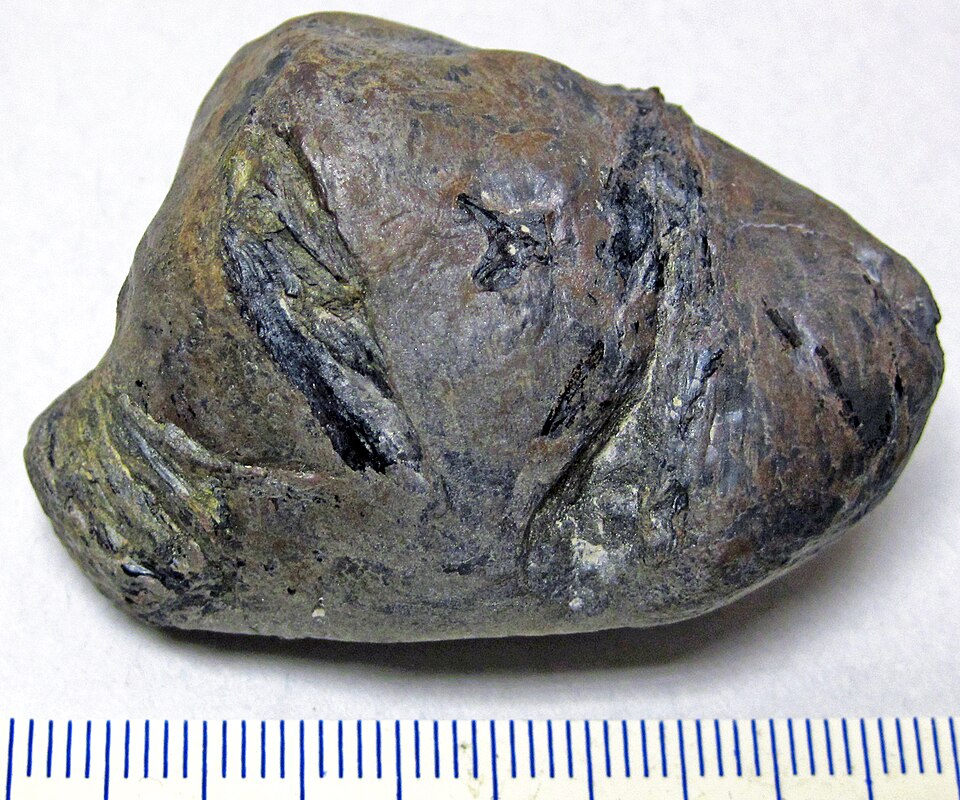
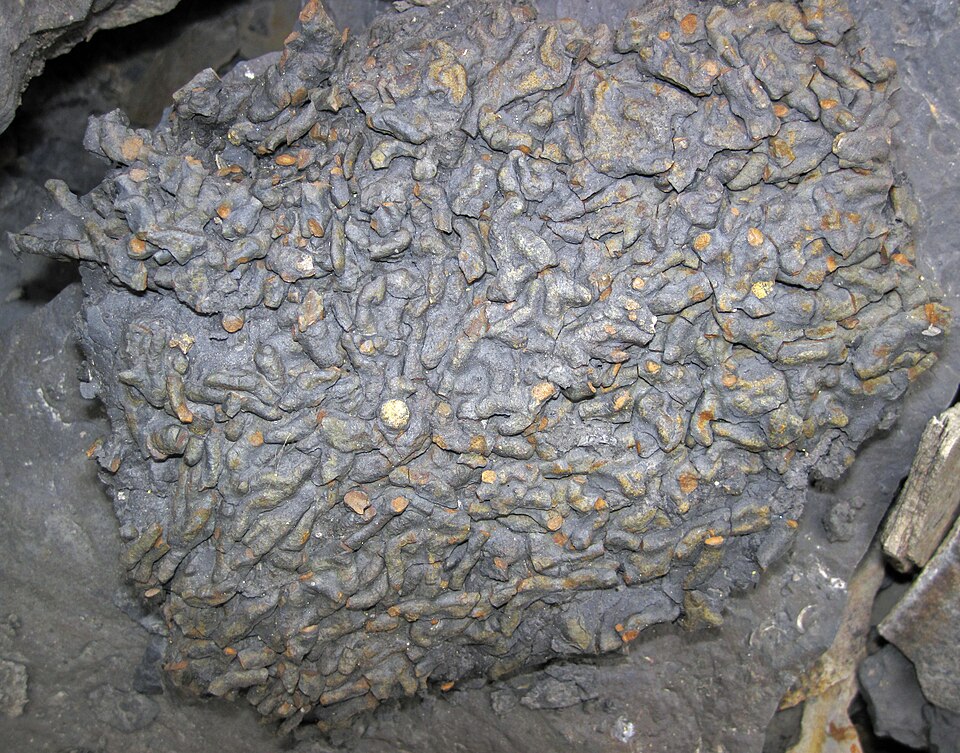
Key differences between Claystone and Shale
- Both sit near Mohs 2–3, so a scratch test alone will not separate them. Lean on luster, streak and heft instead.
- Luster is different: Claystone is dull, earthy while Shale is dull to earthy (slightly sub-vitreous if micaceous).
- They overlap in gray, red, brown, and green, but Shale also comes in black.
Claystone vs Shale properties
| Property | Claystone | Shale |
|---|---|---|
| Type | Sedimentary Rocks | Sedimentary Rocks |
| Mohs hardness | 2–3 | 2–3 |
| Luster | Dull, earthy | Dull to earthy (slightly sub-vitreous if micaceous) |
| Transparency | Opaque | Opaque |
| Specific gravity | 2.0–2.6 | 2.4–2.8 |
| Common colors | Gray, Red, Brown, Tan, Green | Gray, Black, Brown, Red, Greenish gray |
| Rarity | common | common |
| Typical specimen value | $1–$75+ | $1–$75+ |
Which is more valuable?
Typical specimens of Claystone and Shale trade in a similar range, around $10.
About Claystone
Claystone is a fine-grained sedimentary rock composed of more than two-thirds clay-sized particles, less than 0.0039 millimeters across, that has hardened into a blocky, non-fissile mass rather than splitting into thin sheets. It differs from shale mainly by this lack of fissility, breaking instead into irregular blocky or conchoidal fragments. Claystone forms from the compaction and slight cementation of clay deposited in calm, low-energy water.
About Shale
Shale is a fine-grained sedimentary rock formed from compacted clay and silt-sized particles, distinguished by its characteristic fissility, meaning it splits easily into thin, flat layers parallel to its original bedding planes. It accumulates in low-energy environments such as lake bottoms, river deltas, and offshore marine basins where fine sediment can settle undisturbed. Shale is one of the most abundant sedimentary rocks on Earth, making up a substantial portion of the sedimentary rock record worldwide.
Claystone vs Shale FAQ
Is Claystone the same as Shale?
No. Both are sedimentary rocks, but they are distinct rock types with different hardness, streak or luster. Both sit near Mohs 2–3, so a scratch test alone will not separate them. Lean on luster, streak and heft instead.
How can you tell Claystone from Shale?
Both sit near Mohs 2–3, so a scratch test alone will not separate them. Lean on luster, streak and heft instead. Luster is different: Claystone is dull, earthy while Shale is dull to earthy (slightly sub-vitreous if micaceous). They overlap in gray, red, brown, and green, but Shale also comes in black.
Which is harder, Claystone or Shale?
They are about equally hard, both near Mohs 2–3.
Which is more valuable, Claystone or Shale?
Typical specimens of Claystone and Shale trade in a similar range, around $10.

