
Comparison · Sedimentary Rocks
Claystone vs Ironstone
Claystone and Ironstone are easy to confuse because both are sedimentary rocks. Ironstone is harder (Mohs 4) than Claystone (Mohs 2–3), so Ironstone will scratch Claystone and not the other way round. A copper coin (Mohs 3.5) scratches it, but a fingernail does not. Below is a side-by-side comparison of their properties and the quick tests that separate them.
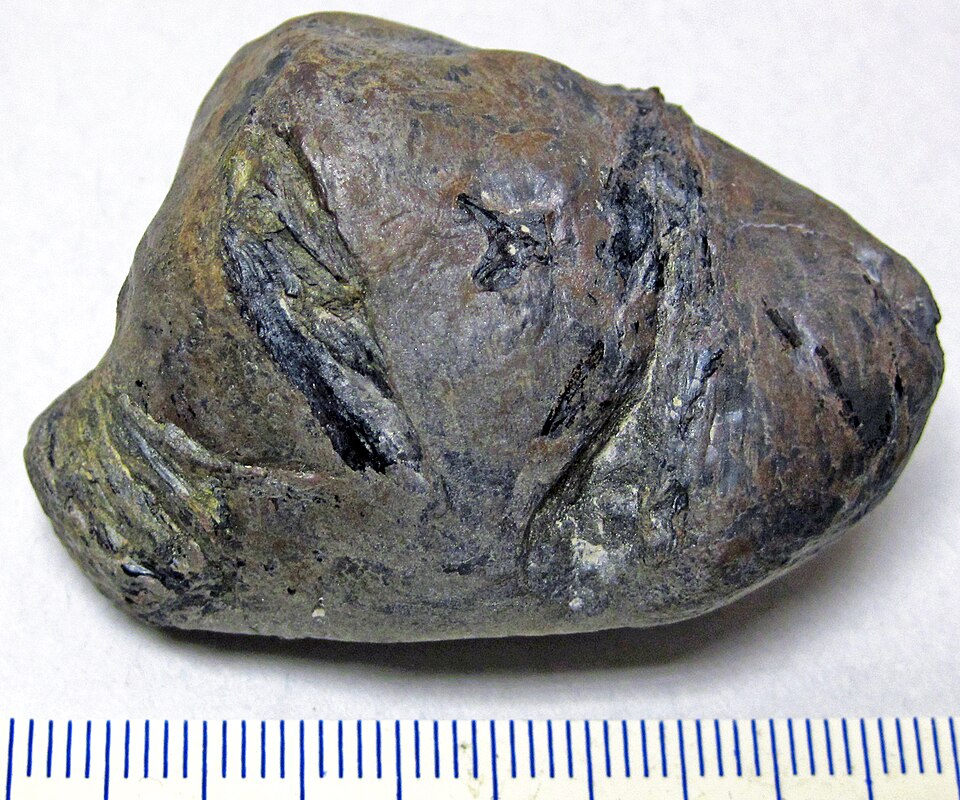
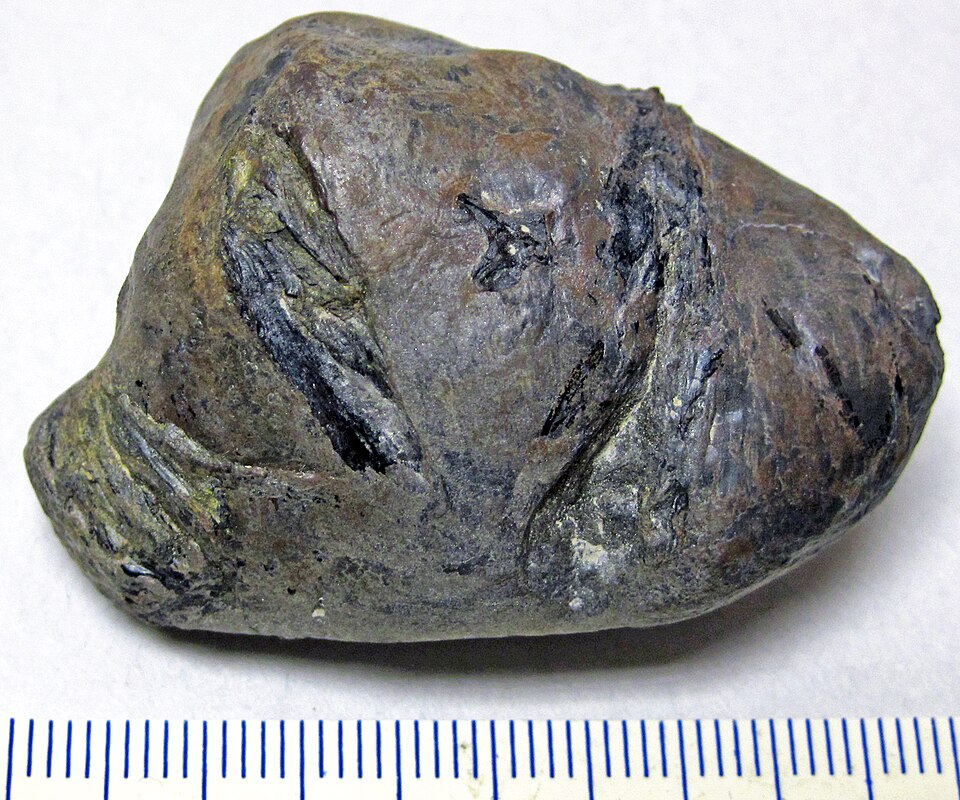
Key differences between Claystone and Ironstone
- Ironstone is harder (Mohs 4) than Claystone (Mohs 2–3), so Ironstone will scratch Claystone and not the other way round. A copper coin (Mohs 3.5) scratches it, but a fingernail does not.
- Ironstone feels noticeably heavier for its size (specific gravity 3.2 versus 2.0–2.6 for Claystone).
- Hold a thin edge to the light: Claystone is Opaque, Ironstone is opaque.
- They overlap in gray, red, and brown, but Claystone also comes in green and Ironstone also comes in orange and black.
Claystone vs Ironstone properties
| Property | Claystone | Ironstone |
|---|---|---|
| Type | Sedimentary Rocks | Sedimentary Rocks |
| Mohs hardness | 2–3 | 4 |
| Luster | Dull, earthy | dull |
| Streak | — | Brown to reddish brown |
| Transparency | Opaque | opaque |
| Specific gravity | 2.0–2.6 | 3.2 |
| Crystal system | — | varies |
| Common colors | Gray, Red, Brown, Tan, Green | Brown, Red brown, Orange, Dark gray, Black |
| Rarity | common | common |
| Typical specimen value | $1–$75+ | $1–$75+ |
Which is more valuable?
Typical specimens of Claystone and Ironstone trade in a similar range, around $10.
About Claystone
Claystone is a fine-grained sedimentary rock composed of more than two-thirds clay-sized particles, less than 0.0039 millimeters across, that has hardened into a blocky, non-fissile mass rather than splitting into thin sheets. It differs from shale mainly by this lack of fissility, breaking instead into irregular blocky or conchoidal fragments. Claystone forms from the compaction and slight cementation of clay deposited in calm, low-energy water.
About Ironstone
Ironstone is an iron-rich sedimentary rock that commonly appears rusty brown, reddish, dark gray, or concretionary.
Claystone vs Ironstone FAQ
Is Claystone the same as Ironstone?
No. Both are sedimentary rocks, but they are distinct rock types with different hardness, streak or luster. Ironstone is harder (Mohs 4) than Claystone (Mohs 2–3), so Ironstone will scratch Claystone and not the other way round. A copper coin (Mohs 3.5) scratches it, but a fingernail does not.
How can you tell Claystone from Ironstone?
Ironstone is harder (Mohs 4) than Claystone (Mohs 2–3), so Ironstone will scratch Claystone and not the other way round. A copper coin (Mohs 3.5) scratches it, but a fingernail does not. Ironstone feels noticeably heavier for its size (specific gravity 3.2 versus 2.0–2.6 for Claystone). Hold a thin edge to the light: Claystone is Opaque, Ironstone is opaque.
Which is harder, Claystone or Ironstone?
Ironstone is harder: Mohs 4 against Mohs 2–3 for Claystone.
Which is more valuable, Claystone or Ironstone?
Typical specimens of Claystone and Ironstone trade in a similar range, around $10.

