
Comparison · Sedimentary Rocks
Chert vs Flint
Chert and Flint are easy to confuse because both are sedimentary rocks. Both sit near Mohs 6.5–7, so a scratch test alone will not separate them. Lean on luster, streak and heft instead. Below is a side-by-side comparison of their properties and the quick tests that separate them.
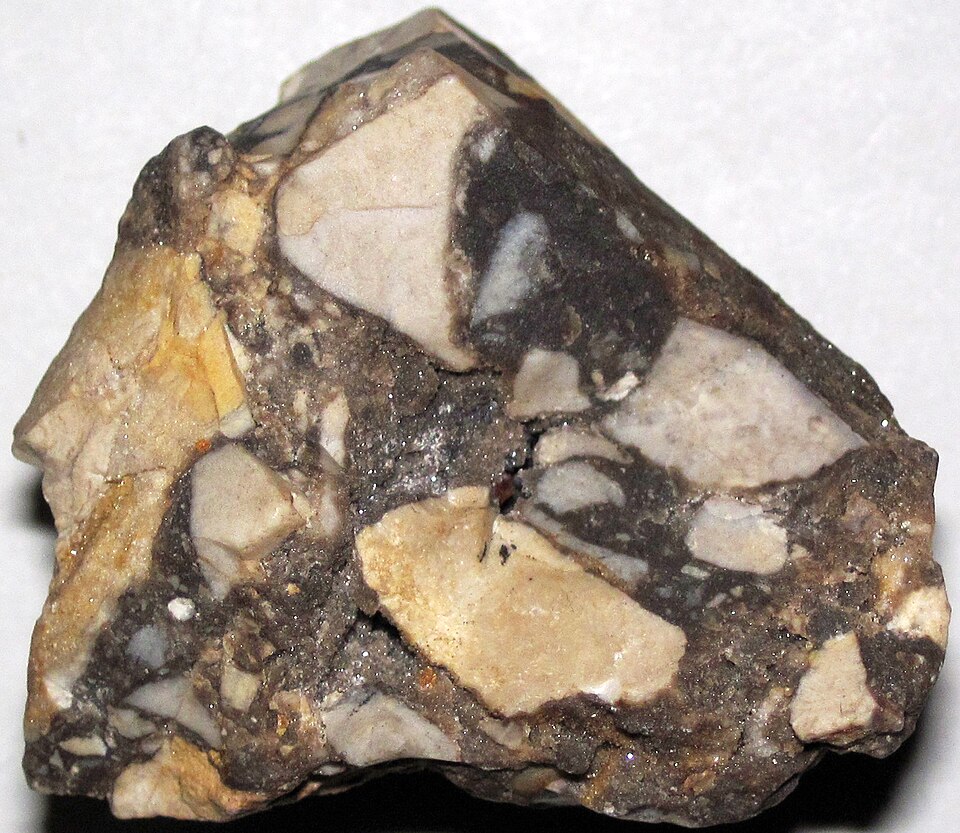
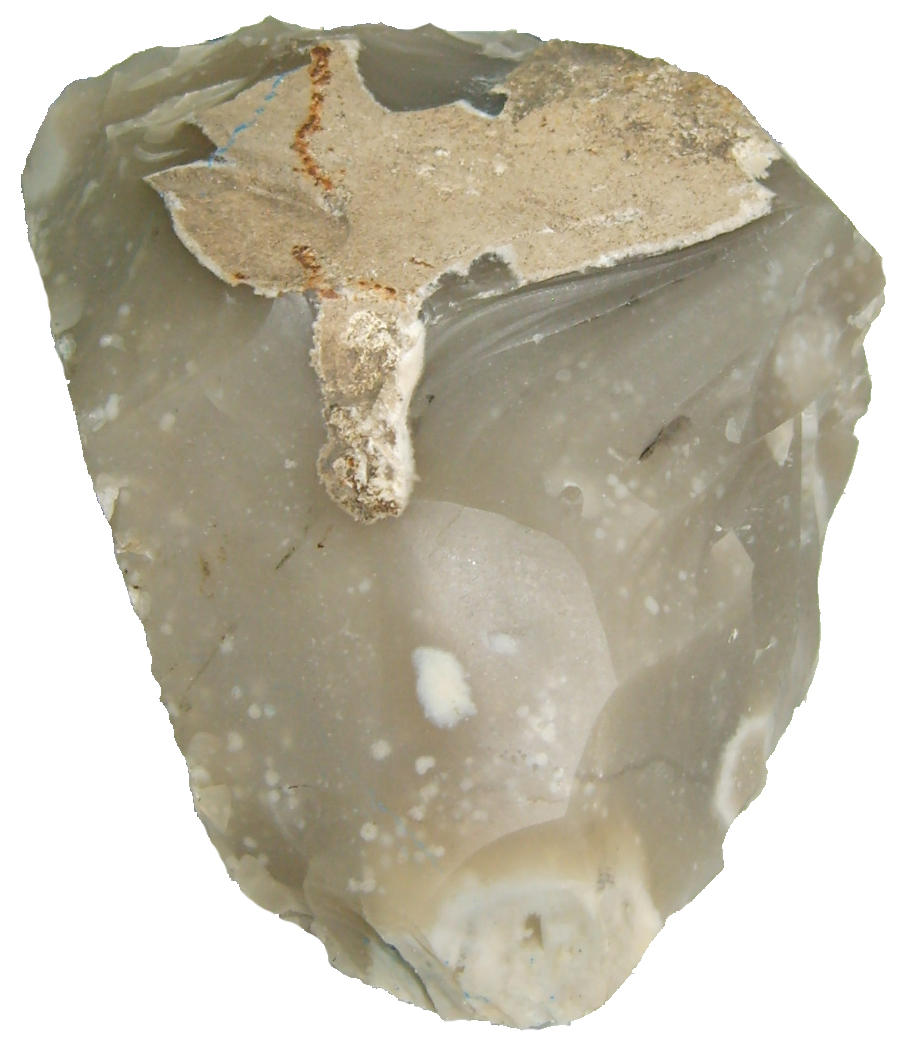
Key differences between Chert and Flint
- Both sit near Mohs 6.5–7, so a scratch test alone will not separate them. Lean on luster, streak and heft instead.
- Luster is different: Chert is waxy to dull while Flint is waxy to dull, glassy on fresh fracture.
- Hold a thin edge to the light: Chert is Translucent to opaque, Flint is Translucent at thin edges to opaque.
- They overlap in gray, black, and brown, but Chert also comes in white, red, and green.
Chert vs Flint properties
| Property | Chert | Flint |
|---|---|---|
| Type | Sedimentary Rocks | Sedimentary Rocks |
| Mohs hardness | 6.5–7 | 6.5–7 |
| Luster | Waxy to dull | Waxy to dull, glassy on fresh fracture |
| Transparency | Translucent to opaque | Translucent at thin edges to opaque |
| Specific gravity | 2.6–2.65 | 2.6–2.65 |
| Common colors | Gray, White, Black, Brown, Red, Green | Black, Dark gray, Brown |
| Rarity | common | common |
| Typical specimen value | $1–$75+ | $1–$75+ |
Which is more valuable?
Typical specimens of Chert and Flint trade in a similar range, around $10.
About Chert
Chert is a hard, fine-grained sedimentary rock composed almost entirely of microcrystalline or cryptocrystalline quartz, formed either by direct chemical precipitation of silica or by the accumulation and diagenetic alteration of silica-secreting organisms like radiolarians and diatoms. It breaks with a distinctive conchoidal fracture that produces sharp edges, a property that made it invaluable to prehistoric toolmakers. Chert occurs in nodules within limestone and chalk or as bedded layers, and its color varies widely depending on trace mineral impurities.
About Flint
Flint is a dense, dark variety of chert composed of microcrystalline quartz, most classically known from nodules embedded within the chalk deposits of northern Europe. Chemically and structurally identical to chert, flint is distinguished mainly by its typically dark gray to black color and its strong association with chalk host rock, along with its long cultural history as a toolmaking material. Its conchoidal fracture produces razor-sharp edges, a property exploited by humans for well over two million years.
Chert vs Flint FAQ
Is Chert the same as Flint?
No. Both are sedimentary rocks, but they are distinct rock types with different hardness, streak or luster. Both sit near Mohs 6.5–7, so a scratch test alone will not separate them. Lean on luster, streak and heft instead.
How can you tell Chert from Flint?
Both sit near Mohs 6.5–7, so a scratch test alone will not separate them. Lean on luster, streak and heft instead. Luster is different: Chert is waxy to dull while Flint is waxy to dull, glassy on fresh fracture. Hold a thin edge to the light: Chert is Translucent to opaque, Flint is Translucent at thin edges to opaque.
Which is harder, Chert or Flint?
They are about equally hard, both near Mohs 6.5–7.
Which is more valuable, Chert or Flint?
Typical specimens of Chert and Flint trade in a similar range, around $10.

