
Comparison · Minerals
Chalcopyrite vs Pyrite
Chalcopyrite and Pyrite are easy to confuse because both are minerals. Pyrite is harder (Mohs 6.5) than Chalcopyrite (Mohs 3.5–4), so Pyrite will scratch Chalcopyrite and not the other way round. A steel knife blade (Mohs 5.5) scratches it; a copper coin does not. Below is a side-by-side comparison of their properties and the quick tests that separate them.
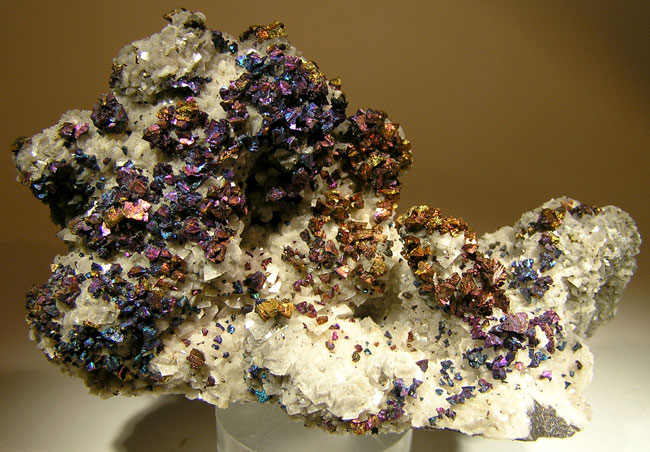
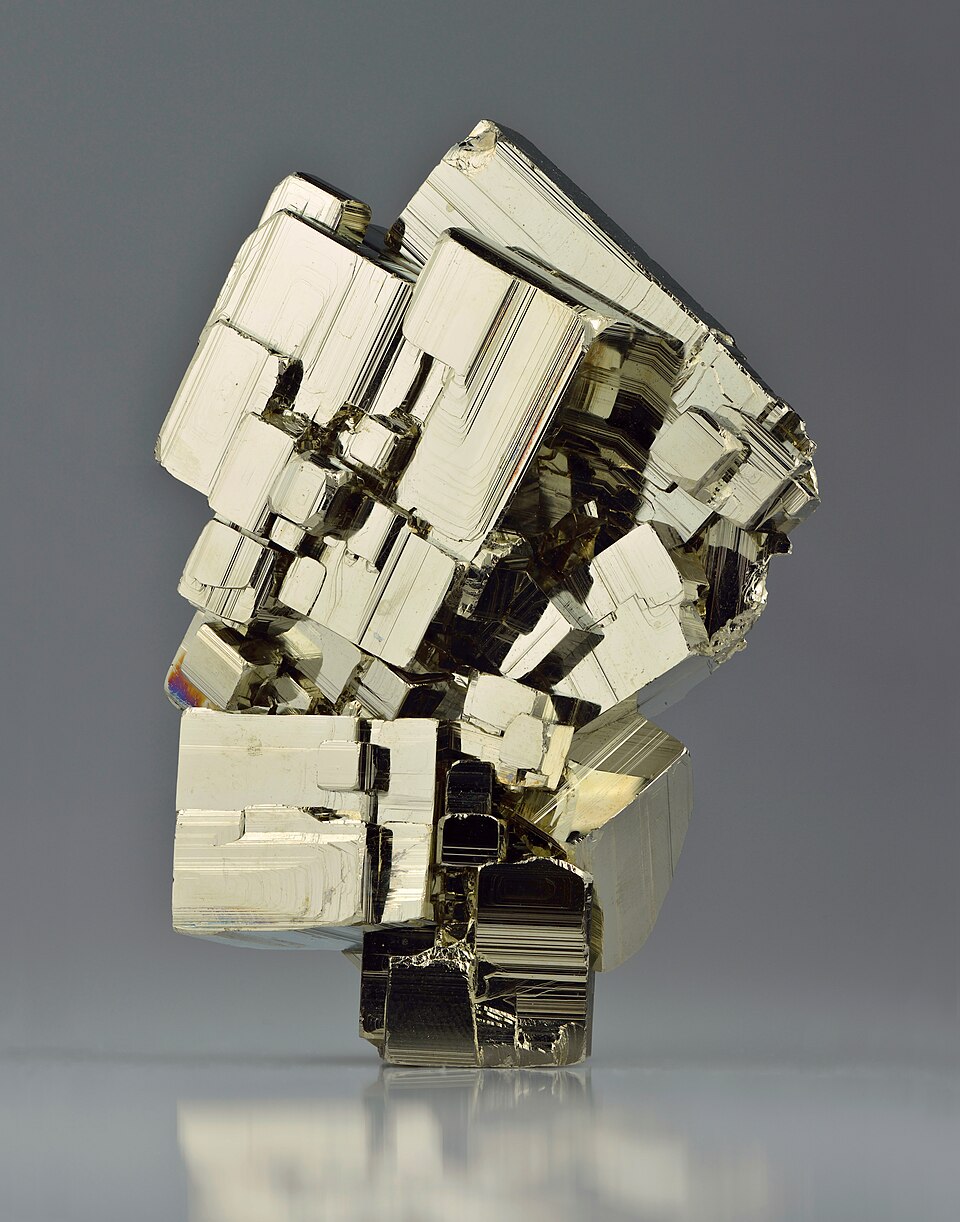
Key differences between Chalcopyrite and Pyrite
- Pyrite is harder (Mohs 6.5) than Chalcopyrite (Mohs 3.5–4), so Pyrite will scratch Chalcopyrite and not the other way round. A steel knife blade (Mohs 5.5) scratches it; a copper coin does not.
- Streak color differs: Chalcopyrite leaves a greenish black streak on unglazed porcelain, Pyrite leaves greenish-black.
- Both look metallic, so compare color, tarnish and weight rather than shine.
- Pyrite feels noticeably heavier for its size (specific gravity 5 versus 4.1–4.3 for Chalcopyrite).
- Hold a thin edge to the light: Chalcopyrite is Opaque, Pyrite is opaque.
- They overlap in yellow, but Chalcopyrite also comes in multicolored.
- Well-formed crystals give it away: Chalcopyrite is Tetragonal, Pyrite is cubic.
Chalcopyrite vs Pyrite properties
| Property | Chalcopyrite | Pyrite |
|---|---|---|
| Type | Minerals | Minerals |
| Mohs hardness | 3.5–4 | 6.5 |
| Luster | Metallic | metallic |
| Streak | Greenish black | Greenish-black |
| Transparency | Opaque | opaque |
| Specific gravity | 4.1–4.3 | 5 |
| Crystal system | Tetragonal | cubic |
| Common colors | Brass yellow, Golden yellow, Iridescent tarnish | Brass Yellow, Pale Gold |
| Rarity | common | common |
| Typical specimen value | $2–$150+ | $2–$100+ |
Which is more valuable?
Chalcopyrite is usually the more valuable of the two: a typical collector specimen runs about $20 against $15 for Pyrite, and premium Chalcopyrite can reach $150 or more.
About Chalcopyrite
Chalcopyrite is copper iron sulfide, CuFeS2, and the single most important ore mineral of copper worldwide. It crystallizes in the tetragonal system, usually as tarnished brassy-yellow masses or small tetrahedral-looking crystals in hydrothermal veins. Its softness relative to pyrite and its greenish-black streak are the quickest ways to separate it from that more famous fool's-gold mineral.
About Pyrite
Pyrite, commonly known as 'fool's gold,' is an iron sulfide with a metallic luster and pale brass-yellow color. Despite its name, it has significant industrial uses.
Chalcopyrite vs Pyrite FAQ
Is Chalcopyrite the same as Pyrite?
No. Both are minerals, but they are distinct species with different hardness, streak or luster. Pyrite is harder (Mohs 6.5) than Chalcopyrite (Mohs 3.5–4), so Pyrite will scratch Chalcopyrite and not the other way round. A steel knife blade (Mohs 5.5) scratches it; a copper coin does not.
How can you tell Chalcopyrite from Pyrite?
Pyrite is harder (Mohs 6.5) than Chalcopyrite (Mohs 3.5–4), so Pyrite will scratch Chalcopyrite and not the other way round. A steel knife blade (Mohs 5.5) scratches it; a copper coin does not. Streak color differs: Chalcopyrite leaves a greenish black streak on unglazed porcelain, Pyrite leaves greenish-black. Both look metallic, so compare color, tarnish and weight rather than shine.
Which is harder, Chalcopyrite or Pyrite?
Pyrite is harder: Mohs 6.5 against Mohs 3.5–4 for Chalcopyrite.
Which is more valuable, Chalcopyrite or Pyrite?
Chalcopyrite is usually the more valuable of the two: a typical collector specimen runs about $20 against $15 for Pyrite, and premium Chalcopyrite can reach $150 or more.

