
Comparison · Minerals
Biotite vs Glauconite
Biotite and Glauconite are easy to confuse because both are minerals. Both sit near Mohs 2.5–3, so a scratch test alone will not separate them. Lean on luster, streak and heft instead. Below is a side-by-side comparison of their properties and the quick tests that separate them.
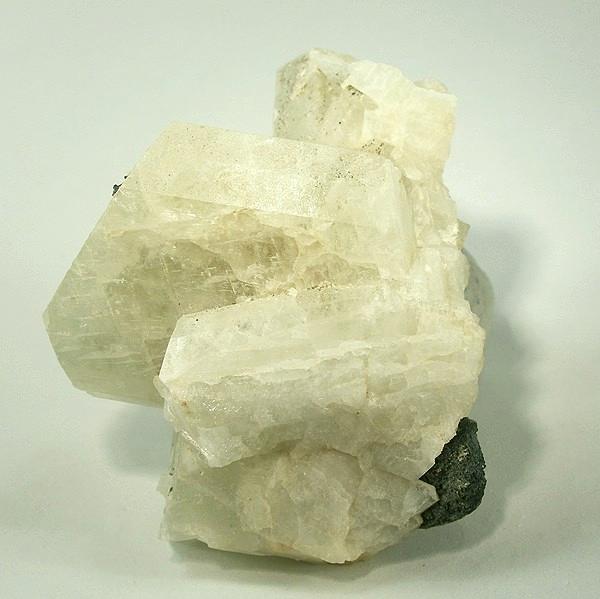
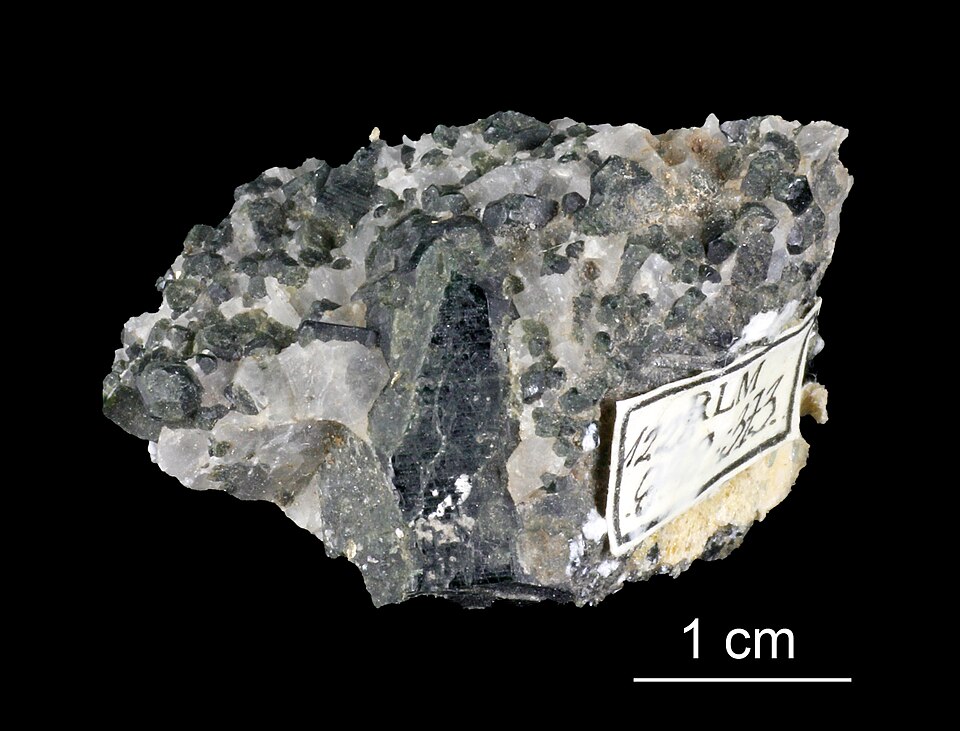
Key differences between Biotite and Glauconite
- Both sit near Mohs 2.5–3, so a scratch test alone will not separate them. Lean on luster, streak and heft instead.
- Streak color differs: Biotite leaves a white to gray streak on unglazed porcelain, Glauconite leaves pale green.
- Hold a thin edge to the light: Biotite is Translucent in thin sheets, opaque in mass, Glauconite is Opaque.
- They overlap in black and green, but Biotite also comes in brown.
Biotite vs Glauconite properties
| Property | Biotite | Glauconite |
|---|---|---|
| Type | Minerals | Minerals |
| Mohs hardness | 2.5–3 | 2–3 |
| Luster | Vitreous to pearly (splendent on cleavage) | Dull to earthy, slightly vitreous |
| Streak | White to gray | Pale green |
| Transparency | Translucent in thin sheets, opaque in mass | Opaque |
| Specific gravity | 2.7–3.4 | 2.4–2.95 |
| Crystal system | Monoclinic | Monoclinic |
| Common colors | Black, Dark brown, Dark green | Green, Dark green, Blackish green |
| Rarity | common | common |
| Typical specimen value | $2–$150+ | $2–$150+ |
Which is more valuable?
Typical specimens of Biotite and Glauconite trade in a similar range, around $20.
About Biotite
Biotite is a common rock-forming mica, a potassium iron magnesium aluminosilicate distinguished by perfect basal cleavage that splits it into thin, flexible, dark sheets. It crystallizes in the monoclinic system and ranges from dark brown to black, sometimes with a bronze or greenish cast. As one of the most widespread minerals in igneous and metamorphic rocks, biotite serves geologists as a key indicator of a rock's cooling history and metamorphic grade.
About Glauconite
Glauconite is an iron- and potassium-rich clay mineral of the mica group, forming characteristic green pellets in marine sedimentary environments. Its distinctive olive to bottle-green color gives rise to the term "greensand" for sediments rich in this mineral, and its formation is restricted to specific slow-deposition marine conditions on continental shelves. Glauconite is important to geologists as an indicator of ancient shallow marine environments and has been used historically as a soil fertilizer and water softener.
Biotite vs Glauconite FAQ
Is Biotite the same as Glauconite?
No. Both are minerals, but they are distinct species with different hardness, streak or luster. Both sit near Mohs 2.5–3, so a scratch test alone will not separate them. Lean on luster, streak and heft instead.
How can you tell Biotite from Glauconite?
Both sit near Mohs 2.5–3, so a scratch test alone will not separate them. Lean on luster, streak and heft instead. Streak color differs: Biotite leaves a white to gray streak on unglazed porcelain, Glauconite leaves pale green. Hold a thin edge to the light: Biotite is Translucent in thin sheets, opaque in mass, Glauconite is Opaque.
Which is harder, Biotite or Glauconite?
They are about equally hard, both near Mohs 2.5–3.
Which is more valuable, Biotite or Glauconite?
Typical specimens of Biotite and Glauconite trade in a similar range, around $20.

