
Comparison · Igneous Rocks
Andesite vs Tuff
Andesite and Tuff are easy to confuse because both are igneous rocks. Andesite is harder (Mohs 5–6) than Tuff (Mohs 2–5), so Andesite will scratch Tuff and not the other way round. A steel knife blade (Mohs 5.5) scratches it; a copper coin does not. Below is a side-by-side comparison of their properties and the quick tests that separate them.
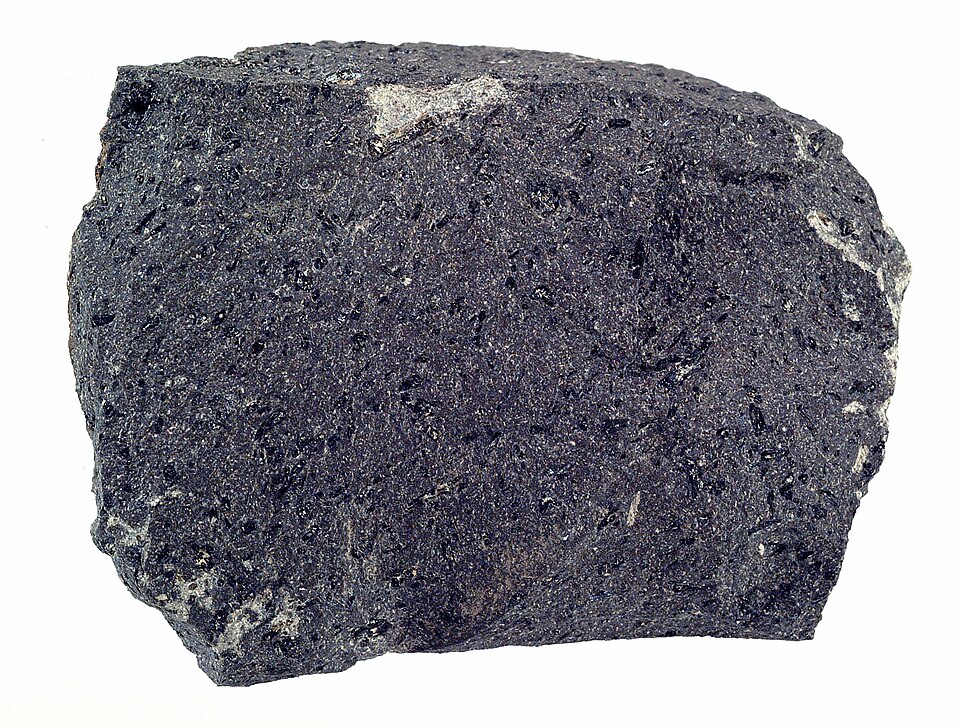
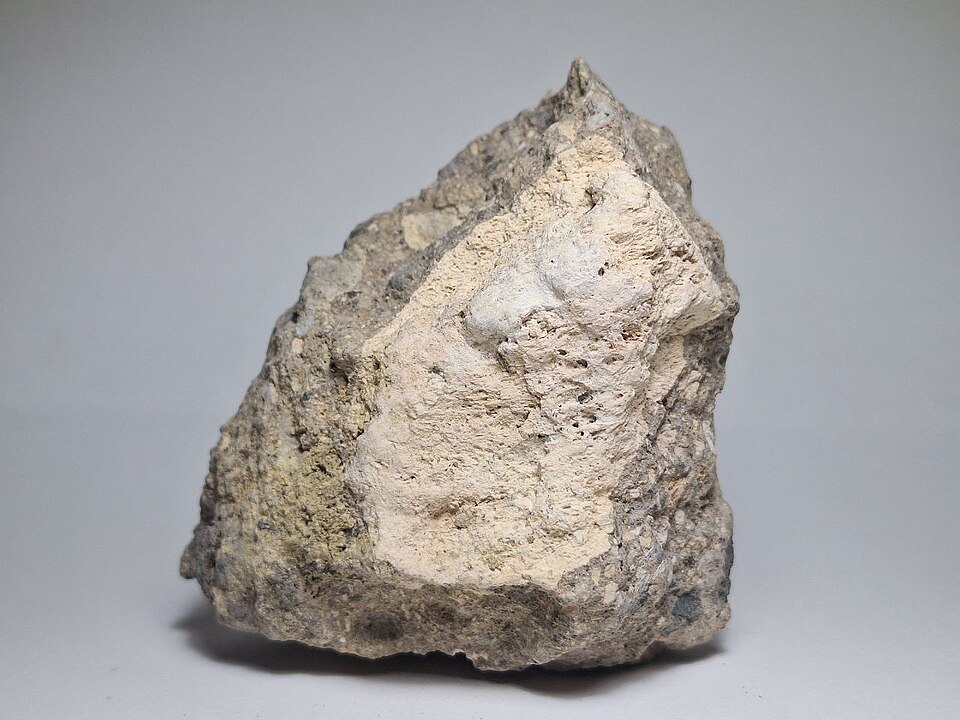
Key differences between Andesite and Tuff
- Andesite is harder (Mohs 5–6) than Tuff (Mohs 2–5), so Andesite will scratch Tuff and not the other way round. A steel knife blade (Mohs 5.5) scratches it; a copper coin does not.
- Andesite feels noticeably heavier for its size (specific gravity 2.5–2.8 versus 1.5–2.7 for Tuff).
- They overlap in gray, green, and brown, but Andesite also comes in black and Tuff also comes in pink and white.
Andesite vs Tuff properties
| Property | Andesite | Tuff |
|---|---|---|
| Type | Igneous Rocks | Igneous Rocks |
| Mohs hardness | 5–6 | 2–5 |
| Luster | Dull groundmass with vitreous phenocrysts | Dull to earthy; glassy shards may show vitreous luster |
| Transparency | Opaque | Opaque |
| Specific gravity | 2.5–2.8 | 1.5–2.7 |
| Common colors | Gray, Dark gray, Greenish gray, Brown, Black | Light gray, Tan, Pink, Greenish, White |
| Rarity | common | common |
| Typical specimen value | $1–$75+ | $1–$75+ |
Which is more valuable?
Typical specimens of Andesite and Tuff trade in a similar range, around $10.
About Andesite
Andesite is a fine-grained, intermediate volcanic rock formed from lava with a silica content between basalt and rhyolite, typically 57 to 63 percent. It is named for the Andes Mountains, where it makes up much of the volcanic arc, and its groundmass is usually too fine to identify individual minerals without magnification. Andesite forms at convergent plate boundaries where oceanic crust melts beneath continental or island arcs.
About Tuff
Tuff is a volcanic rock formed from compacted and cemented volcanic ash ejected during explosive eruptions, distinguishing it from lava-derived rocks like basalt or andesite that solidify directly from molten flow. Its texture ranges from soft and crumbly to dense and welded, depending on how hot the ash was when it settled and how much compaction it underwent afterward. Tuff deposits can blanket enormous areas following a single major eruption, preserving a snapshot of that eruption's ash fall in the rock record.
Andesite vs Tuff FAQ
Is Andesite the same as Tuff?
No. Both are igneous rocks, but they are distinct rock types with different hardness, streak or luster. Andesite is harder (Mohs 5–6) than Tuff (Mohs 2–5), so Andesite will scratch Tuff and not the other way round. A steel knife blade (Mohs 5.5) scratches it; a copper coin does not.
How can you tell Andesite from Tuff?
Andesite is harder (Mohs 5–6) than Tuff (Mohs 2–5), so Andesite will scratch Tuff and not the other way round. A steel knife blade (Mohs 5.5) scratches it; a copper coin does not. Andesite feels noticeably heavier for its size (specific gravity 2.5–2.8 versus 1.5–2.7 for Tuff). They overlap in gray, green, and brown, but Andesite also comes in black and Tuff also comes in pink and white.
Which is harder, Andesite or Tuff?
Andesite is harder: Mohs 5–6 against Mohs 2–5 for Tuff.
Which is more valuable, Andesite or Tuff?
Typical specimens of Andesite and Tuff trade in a similar range, around $10.

