
Comparison · Igneous Rocks
Andesite vs Peridotite
Andesite and Peridotite are easy to confuse because both are igneous rocks. Both sit near Mohs 5–6, so a scratch test alone will not separate them. Lean on luster, streak and heft instead. Below is a side-by-side comparison of their properties and the quick tests that separate them.
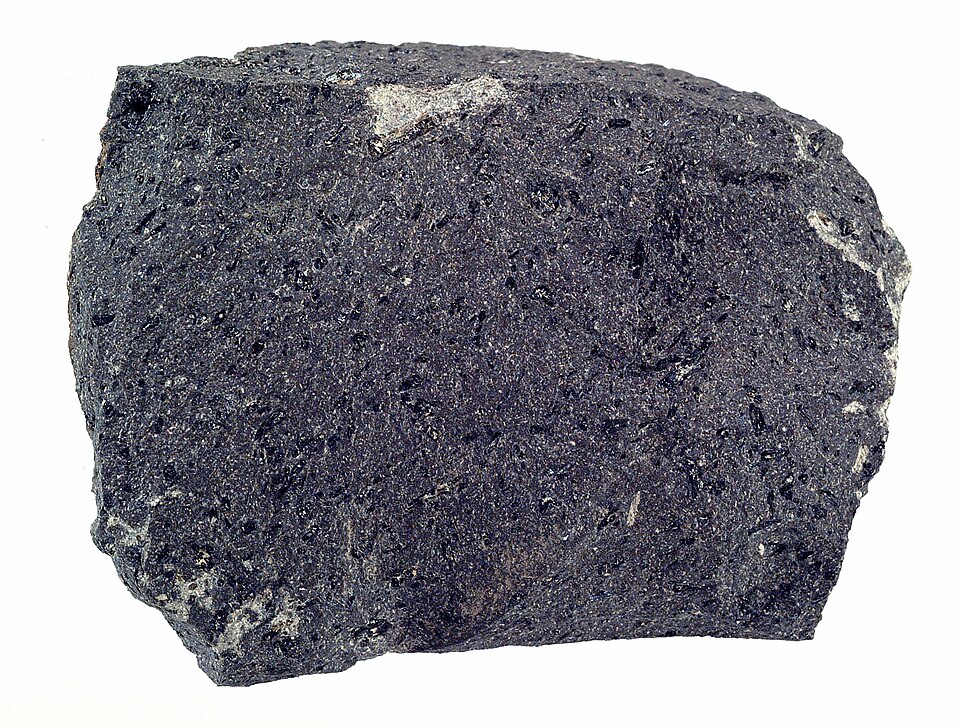
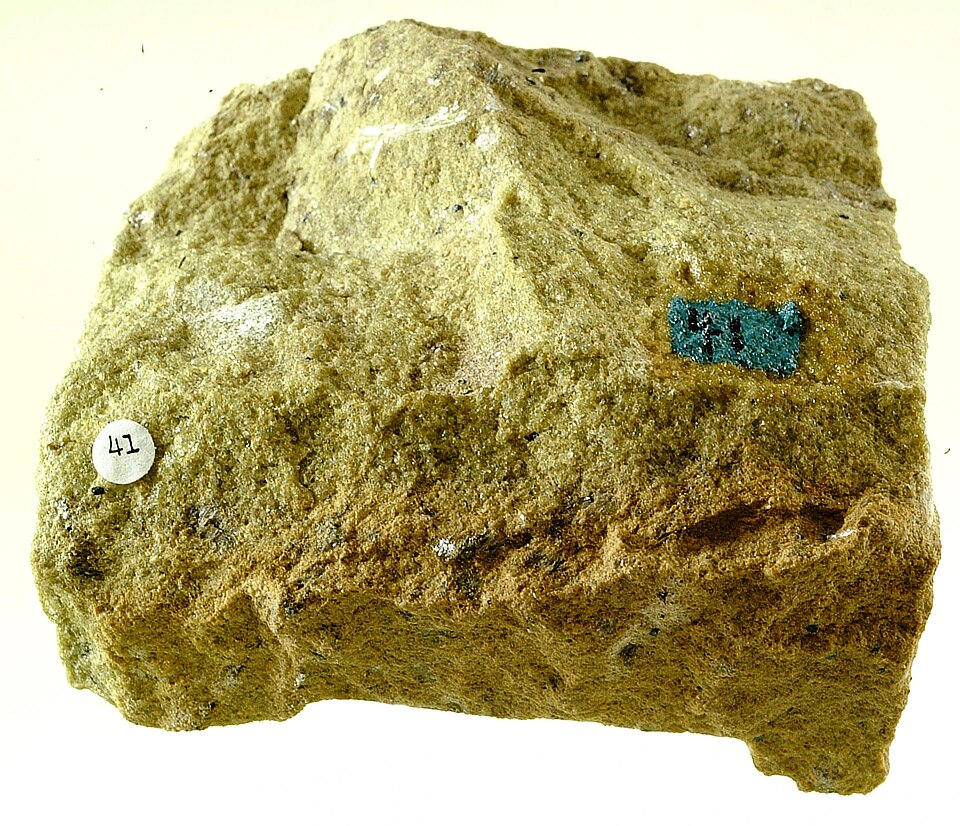
Key differences between Andesite and Peridotite
- Both sit near Mohs 5–6, so a scratch test alone will not separate them. Lean on luster, streak and heft instead.
- Peridotite feels noticeably heavier for its size (specific gravity 3.1–3.4 versus 2.5–2.8 for Andesite).
- They overlap in green and black, but Andesite also comes in gray and brown and Peridotite also comes in yellow.
Andesite vs Peridotite properties
| Property | Andesite | Peridotite |
|---|---|---|
| Type | Igneous Rocks | Igneous Rocks |
| Mohs hardness | 5–6 | 5.5–7 |
| Luster | Dull groundmass with vitreous phenocrysts | Vitreous (olivine and pyroxene grains) |
| Transparency | Opaque | Opaque |
| Specific gravity | 2.5–2.8 | 3.1–3.4 |
| Common colors | Gray, Dark gray, Greenish gray, Brown, Black | Green, Dark green, Yellowish green, Black |
| Rarity | common | common |
| Typical specimen value | $1–$75+ | $1–$75+ |
Which is more valuable?
Typical specimens of Andesite and Peridotite trade in a similar range, around $10.
About Andesite
Andesite is a fine-grained, intermediate volcanic rock formed from lava with a silica content between basalt and rhyolite, typically 57 to 63 percent. It is named for the Andes Mountains, where it makes up much of the volcanic arc, and its groundmass is usually too fine to identify individual minerals without magnification. Andesite forms at convergent plate boundaries where oceanic crust melts beneath continental or island arcs.
About Peridotite
Peridotite is a coarse-grained ultramafic igneous rock composed predominantly of olivine along with varying amounts of pyroxene, making it the principal rock type of Earth's upper mantle. It is dense, dark green to black, and nearly devoid of quartz or feldspar, reflecting a chemical composition far more magnesium- and iron-rich than crustal rocks. Peridotite reaches the surface only through specific tectonic processes, since it normally resides tens of kilometers below the crust.
Andesite vs Peridotite FAQ
Is Andesite the same as Peridotite?
No. Both are igneous rocks, but they are distinct rock types with different hardness, streak or luster. Both sit near Mohs 5–6, so a scratch test alone will not separate them. Lean on luster, streak and heft instead.
How can you tell Andesite from Peridotite?
Both sit near Mohs 5–6, so a scratch test alone will not separate them. Lean on luster, streak and heft instead. Peridotite feels noticeably heavier for its size (specific gravity 3.1–3.4 versus 2.5–2.8 for Andesite). They overlap in green and black, but Andesite also comes in gray and brown and Peridotite also comes in yellow.
Which is harder, Andesite or Peridotite?
Peridotite is harder: Mohs 5.5–7 against Mohs 5–6 for Andesite.
Which is more valuable, Andesite or Peridotite?
Typical specimens of Andesite and Peridotite trade in a similar range, around $10.

