
Comparison · Semi-Precious Stones vs Silicate Minerals
Peridot vs Prasiolite
Peridot and Prasiolite are easy to confuse. Both sit near Mohs 6.5, so a scratch test alone will not separate them. Lean on luster, streak and heft instead. Below is a side-by-side comparison of their properties and the quick tests that separate them.
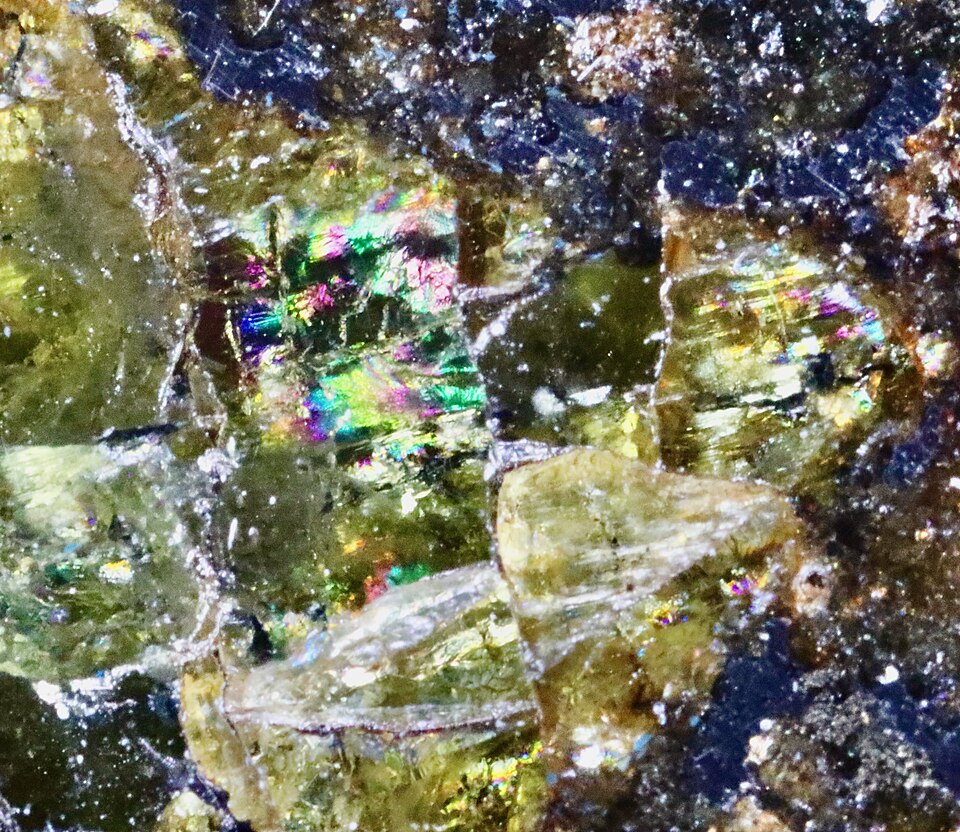
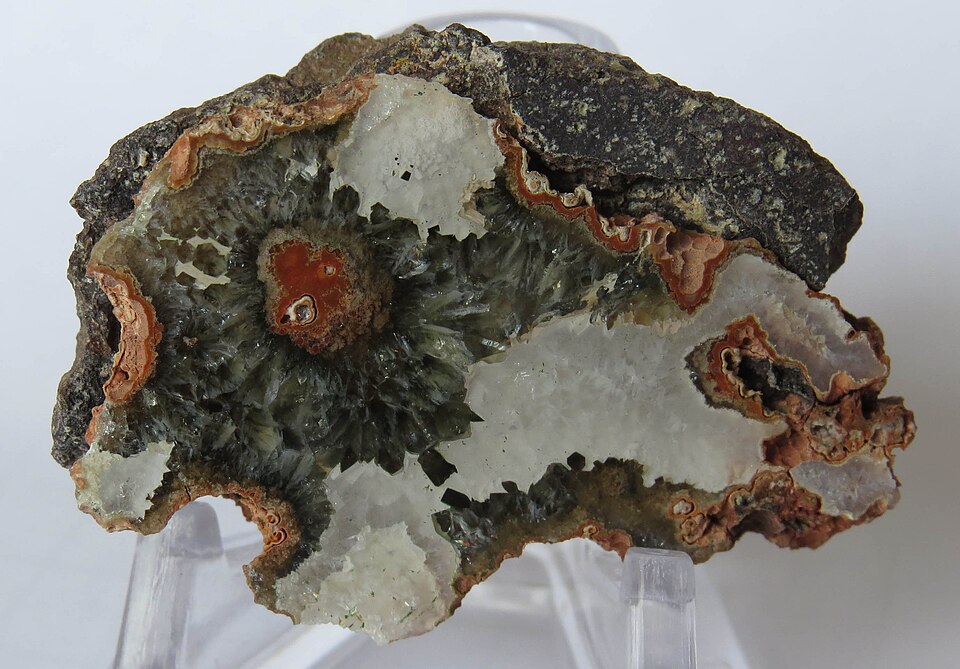
Key differences between Peridot and Prasiolite
- Both sit near Mohs 6.5, so a scratch test alone will not separate them. Lean on luster, streak and heft instead.
- Peridot feels noticeably heavier for its size (specific gravity 3.3 versus 2.65 for Prasiolite).
- Well-formed crystals give it away: Peridot is orthorhombic, Prasiolite is trigonal.
Peridot vs Prasiolite properties
| Property | Peridot | Prasiolite |
|---|---|---|
| Type | Semi-Precious Stones | Silicate Minerals |
| Mohs hardness | 6.5 | 7 |
| Luster | vitreous | vitreous |
| Streak | White | White |
| Transparency | transparent | transparent |
| Specific gravity | 3.3 | 2.65 |
| Crystal system | orthorhombic | trigonal |
| Common colors | Yellow-Green, Olive Green, Lime Green | Green, Pale green, Yellowish green |
| Rarity | uncommon | uncommon |
| Typical specimen value | $50–$2000+ | $10–$300+ |
Which is more valuable?
Peridot is usually the more valuable of the two: a typical collector specimen runs about $200 against $60 for Prasiolite, and premium Peridot can reach $2000 or more.
About Peridot
Peridot is the gem variety of olivine, one of the most common minerals in Earth's mantle. Its distinctive yellow-green color comes from iron.
About Prasiolite
Prasiolite is a pale leek-green variety of quartz, transparent and glassy with the same hardness and durability as other quartz. Most prasiolite on the market is heat-treated amethyst, since naturally green quartz is uncommon.
Peridot vs Prasiolite FAQ
Is Peridot the same as Prasiolite?
No. Peridot is a semi-precious stone while Prasiolite is a silicate mineral. Both sit near Mohs 6.5, so a scratch test alone will not separate them. Lean on luster, streak and heft instead.
How can you tell Peridot from Prasiolite?
Both sit near Mohs 6.5, so a scratch test alone will not separate them. Lean on luster, streak and heft instead. Peridot feels noticeably heavier for its size (specific gravity 3.3 versus 2.65 for Prasiolite). Well-formed crystals give it away: Peridot is orthorhombic, Prasiolite is trigonal.
Which is harder, Peridot or Prasiolite?
Prasiolite is harder: Mohs 7 against Mohs 6.5 for Peridot.
Which is more valuable, Peridot or Prasiolite?
Peridot is usually the more valuable of the two: a typical collector specimen runs about $200 against $60 for Prasiolite, and premium Peridot can reach $2000 or more.

