
Comparison · Semi-Precious Stones vs Carbonates
Opal vs Smithsonite
Opal and Smithsonite are easy to confuse. Opal is harder (Mohs 5.5) than Smithsonite (Mohs 4.5), so Opal will scratch Smithsonite and not the other way round. A steel knife blade (Mohs 5.5) scratches it; a copper coin does not. Below is a side-by-side comparison of their properties and the quick tests that separate them.
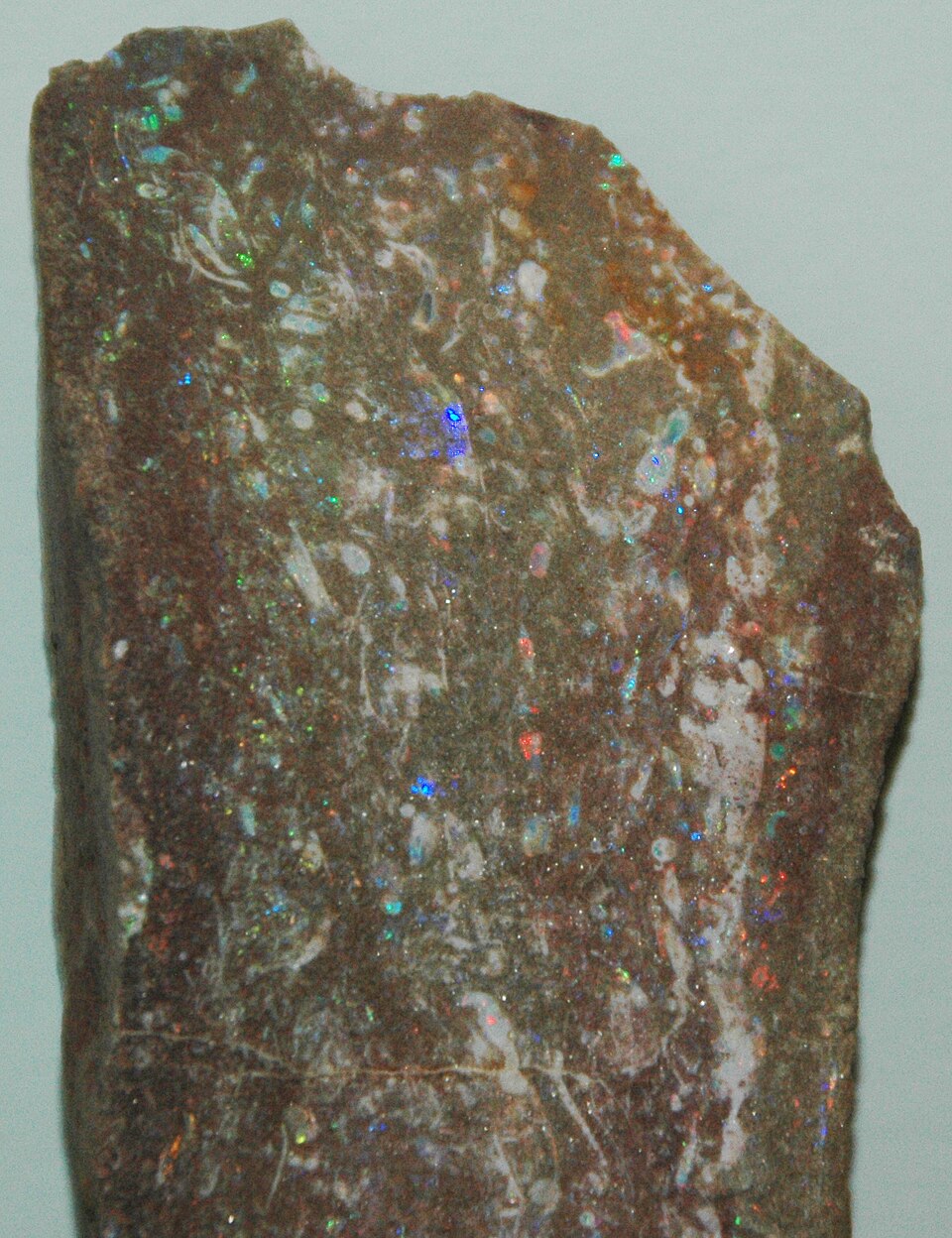
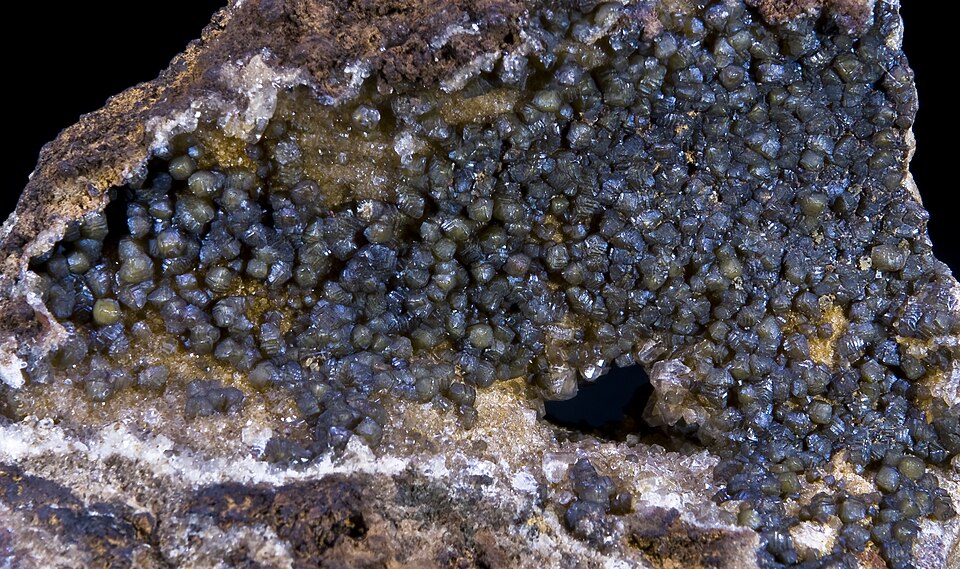
Key differences between Opal and Smithsonite
- Opal is harder (Mohs 5.5) than Smithsonite (Mohs 4.5), so Opal will scratch Smithsonite and not the other way round. A steel knife blade (Mohs 5.5) scratches it; a copper coin does not.
- Smithsonite feels noticeably heavier for its size (specific gravity 4.4 versus 2.1 for Opal).
- They overlap in white, blue, and pink, but Opal also comes in black and Smithsonite also comes in green and yellow.
- Well-formed crystals give it away: Opal is amorphous, Smithsonite is trigonal.
Opal vs Smithsonite properties
| Property | Opal | Smithsonite |
|---|---|---|
| Type | Semi-Precious Stones | Carbonates |
| Mohs hardness | 5.5 | 4.5 |
| Luster | vitreous | vitreous |
| Streak | White | White |
| Transparency | translucent | translucent |
| Specific gravity | 2.1 | 4.4 |
| Crystal system | amorphous | trigonal |
| Common colors | White, Black, Fire, Blue, Pink | Blue green, Green, Blue, Yellow, Pink, White |
| Rarity | uncommon | uncommon |
| Typical specimen value | $50–$10000+ | $15–$900+ |
Which is more valuable?
Opal is usually the more valuable of the two: a typical collector specimen runs about $500 against $120 for Smithsonite, and premium Opal can reach $10000 or more.
About Opal
Opal is famous for its play-of-color, caused by the diffraction of light through microscopic silica spheres. Australia produces 95% of the world's opals.
About Smithsonite
Smithsonite is a zinc carbonate mineral most admired for its smooth botryoidal crusts and soft pastel colors, especially blue-green. It also occurs as massive material and rare rhombohedral crystals and is a recognized zinc ore.
Opal vs Smithsonite FAQ
Is Opal the same as Smithsonite?
No. Opal is a semi-precious stone while Smithsonite is a carbonate. Opal is harder (Mohs 5.5) than Smithsonite (Mohs 4.5), so Opal will scratch Smithsonite and not the other way round. A steel knife blade (Mohs 5.5) scratches it; a copper coin does not.
How can you tell Opal from Smithsonite?
Opal is harder (Mohs 5.5) than Smithsonite (Mohs 4.5), so Opal will scratch Smithsonite and not the other way round. A steel knife blade (Mohs 5.5) scratches it; a copper coin does not. Smithsonite feels noticeably heavier for its size (specific gravity 4.4 versus 2.1 for Opal). They overlap in white, blue, and pink, but Opal also comes in black and Smithsonite also comes in green and yellow.
Which is harder, Opal or Smithsonite?
Opal is harder: Mohs 5.5 against Mohs 4.5 for Smithsonite.
Which is more valuable, Opal or Smithsonite?
Opal is usually the more valuable of the two: a typical collector specimen runs about $500 against $120 for Smithsonite, and premium Opal can reach $10000 or more.

