
Comparison · Igneous Rocks
Dunite vs Kimberlite
Dunite and Kimberlite are easy to confuse because both are igneous rocks. Dunite is harder (Mohs 6.5–7) than Kimberlite (Mohs 5–6.5), so Dunite will scratch Kimberlite and not the other way round. It is about as hard as window glass: a knife barely marks it, while a steel file (Mohs 6.5) will. Below is a side-by-side comparison of their properties and the quick tests that separate them.
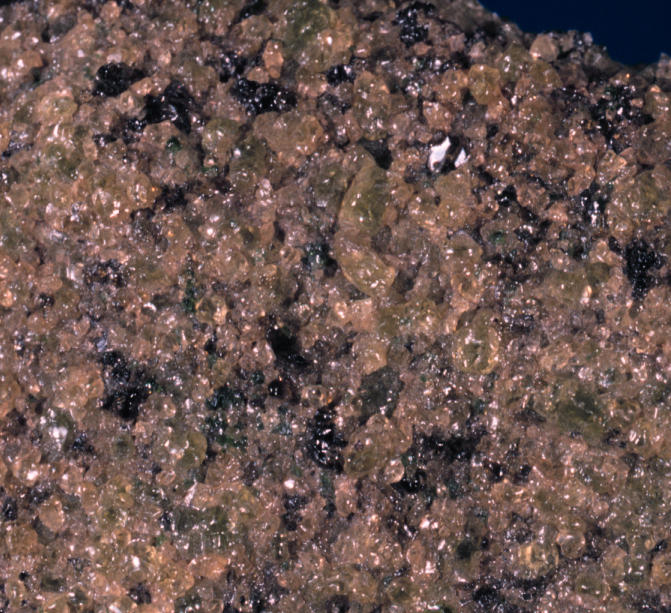
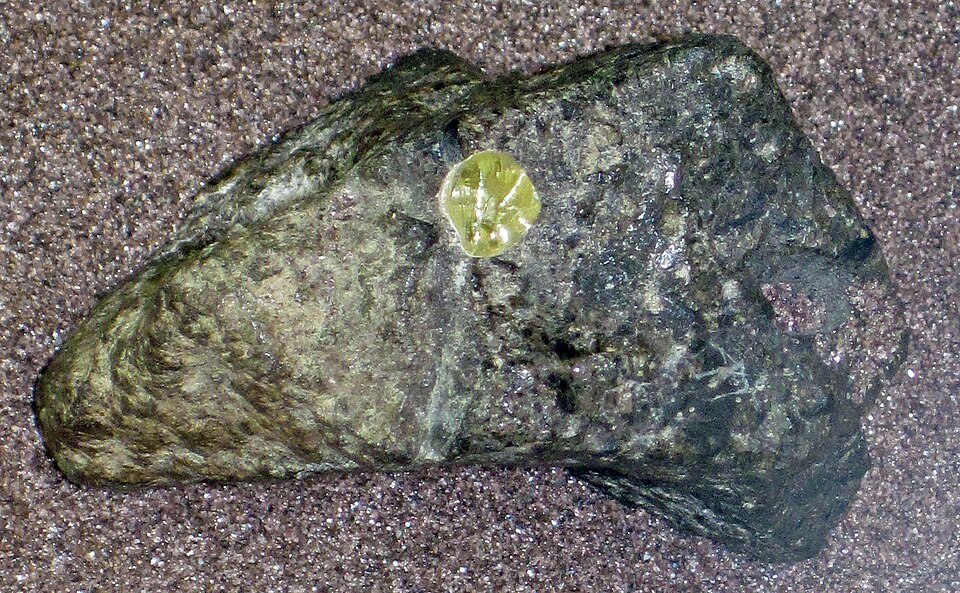
Key differences between Dunite and Kimberlite
- Dunite is harder (Mohs 6.5–7) than Kimberlite (Mohs 5–6.5), so Dunite will scratch Kimberlite and not the other way round. It is about as hard as window glass: a knife barely marks it, while a steel file (Mohs 6.5) will.
- Dunite feels noticeably heavier for its size (specific gravity 3.2–3.3 versus 2.5–2.9 for Kimberlite).
- Hold a thin edge to the light: Dunite is Opaque (translucent in thin section), Kimberlite is Opaque.
- They overlap in green and yellow, but Dunite also comes in brown and Kimberlite also comes in gray and blue.
Dunite vs Kimberlite properties
| Property | Dunite | Kimberlite |
|---|---|---|
| Type | Igneous Rocks | Igneous Rocks |
| Mohs hardness | 6.5–7 | 5–6.5 |
| Luster | Vitreous (olivine grains) | Dull to vitreous |
| Transparency | Opaque (translucent in thin section) | Opaque |
| Specific gravity | 3.2–3.3 | 2.5–2.9 |
| Common colors | Olive green, Yellowish green, Dark green, Brown (weathered) | Blue-gray ('blue ground'), Yellow ('yellow ground', weathered), Dark green, Gray |
| Rarity | common | common |
| Typical specimen value | $1–$75+ | $1–$75+ |
Which is more valuable?
Typical specimens of Dunite and Kimberlite trade in a similar range, around $10.
About Dunite
Dunite is a coarse-grained ultramafic igneous rock composed almost entirely of olivine, typically more than 90 percent, with minor chromite, pyroxene, or spinel. It represents mantle material or cumulate layers formed by the settling of olivine crystals in a magma chamber, making it one of the most direct samples of Earth's upper mantle available at the surface. Its name comes from Dun Mountain in New Zealand, where it was first described.
About Kimberlite
Kimberlite is a rare, ultramafic igneous rock famous as the primary source rock for natural diamonds. It originates from partial melting deep in Earth's mantle, often more than one hundred fifty kilometers down, and erupts violently through narrow, carrot-shaped volcanic pipes. Named after Kimberley, South Africa, where major diamond-bearing pipes were first mined, it is a chaotic mixture of olivine, mica, and fragments picked up from surrounding rock on its way to the surface.
Dunite vs Kimberlite FAQ
Is Dunite the same as Kimberlite?
No. Both are igneous rocks, but they are distinct rock types with different hardness, streak or luster. Dunite is harder (Mohs 6.5–7) than Kimberlite (Mohs 5–6.5), so Dunite will scratch Kimberlite and not the other way round. It is about as hard as window glass: a knife barely marks it, while a steel file (Mohs 6.5) will.
How can you tell Dunite from Kimberlite?
Dunite is harder (Mohs 6.5–7) than Kimberlite (Mohs 5–6.5), so Dunite will scratch Kimberlite and not the other way round. It is about as hard as window glass: a knife barely marks it, while a steel file (Mohs 6.5) will. Dunite feels noticeably heavier for its size (specific gravity 3.2–3.3 versus 2.5–2.9 for Kimberlite). Hold a thin edge to the light: Dunite is Opaque (translucent in thin section), Kimberlite is Opaque.
Which is harder, Dunite or Kimberlite?
Dunite is harder: Mohs 6.5–7 against Mohs 5–6.5 for Kimberlite.
Which is more valuable, Dunite or Kimberlite?
Typical specimens of Dunite and Kimberlite trade in a similar range, around $10.

