
Comparison · Igneous Rocks
Diabase vs Diorite
Diabase and Diorite are easy to confuse because both are igneous rocks. Both sit near Mohs 6, so a scratch test alone will not separate them. Lean on luster, streak and heft instead. Below is a side-by-side comparison of their properties and the quick tests that separate them.
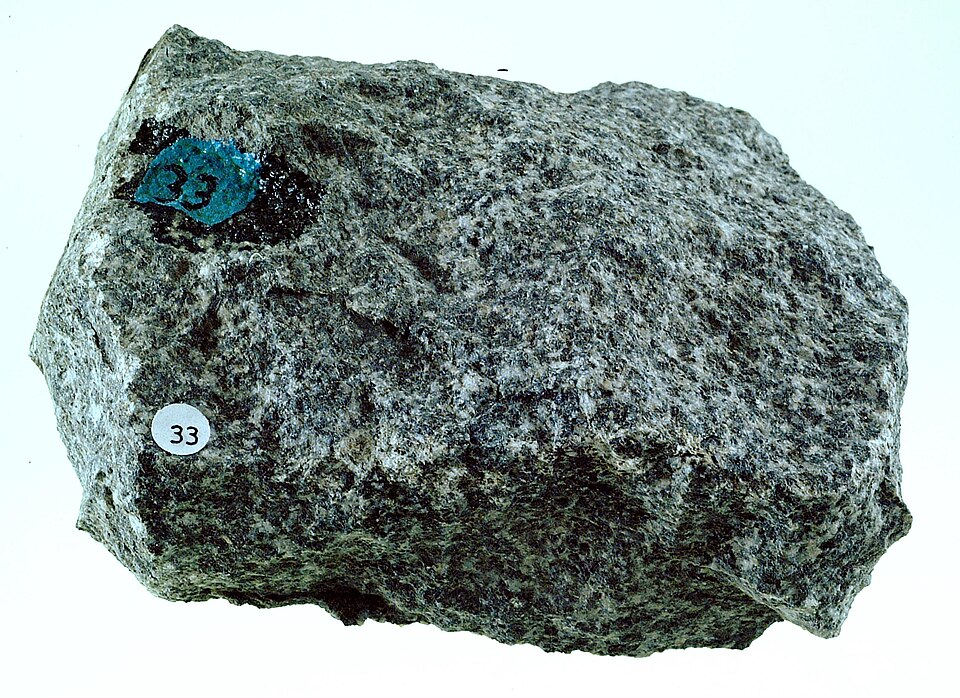
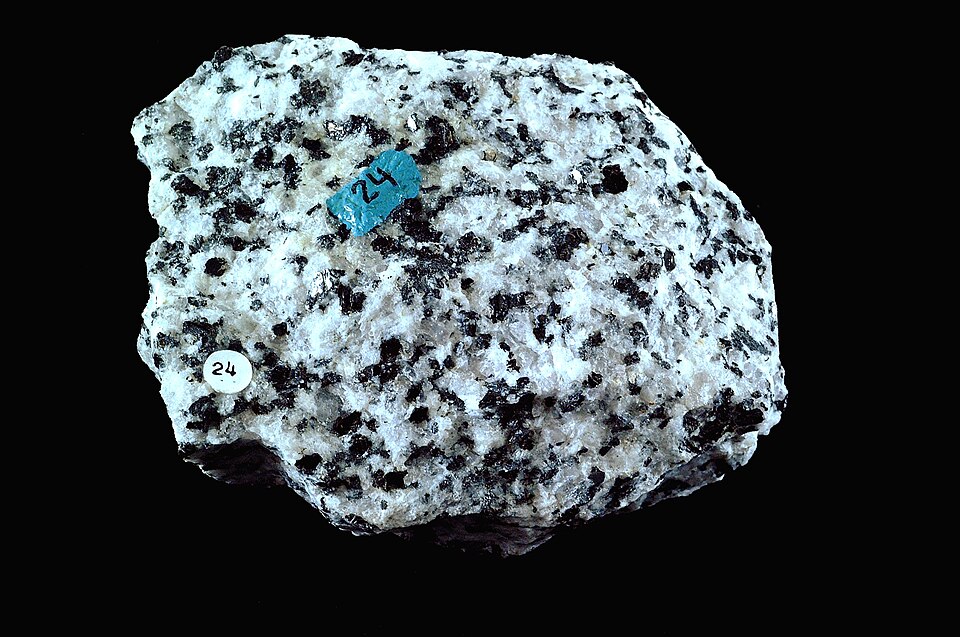
Key differences between Diabase and Diorite
- Both sit near Mohs 6, so a scratch test alone will not separate them. Lean on luster, streak and heft instead.
- Luster is different: Diabase is varies while Diorite is vitreous to dull (granular).
- Hold a thin edge to the light: Diabase is opaque, Diorite is Opaque.
- They overlap in multicolored, but Diorite also comes in gray, black, and white.
Diabase vs Diorite properties
| Property | Diabase | Diorite |
|---|---|---|
| Type | Igneous Rocks | Igneous Rocks |
| Mohs hardness | 6 | 6–7 |
| Luster | varies | Vitreous to dull (granular) |
| Streak | Variable; test individual minerals | — |
| Transparency | opaque | Opaque |
| Specific gravity | 2.8 | 2.8–3.0 |
| Crystal system | varies | — |
| Common colors | Various | Salt-and-pepper gray, Dark gray, Black and white speckled |
| Rarity | common | common |
| Typical specimen value | $1–$75+ | $1–$75+ |
Which is more valuable?
Typical specimens of Diabase and Diorite trade in a similar range, around $10.
About Diabase
Diabase is a dark, medium-grained mafic igneous rock, also called dolerite in many regions. It commonly forms in dikes and sills and sits texturally between basalt and gabbro.
About Diorite
Diorite is a coarse-grained, intrusive igneous rock of intermediate composition, made mostly of plagioclase feldspar and dark hornblende or biotite, with little to no quartz. Its classic 'salt and pepper' look comes from the contrast between light gray-white feldspar and black amphibole crystals visible to the naked eye. It crystallizes slowly underground, giving it a fully crystalline, phaneritic texture.
Diabase vs Diorite FAQ
Is Diabase the same as Diorite?
No. Both are igneous rocks, but they are distinct rock types with different hardness, streak or luster. Both sit near Mohs 6, so a scratch test alone will not separate them. Lean on luster, streak and heft instead.
How can you tell Diabase from Diorite?
Both sit near Mohs 6, so a scratch test alone will not separate them. Lean on luster, streak and heft instead. Luster is different: Diabase is varies while Diorite is vitreous to dull (granular). Hold a thin edge to the light: Diabase is opaque, Diorite is Opaque.
Which is harder, Diabase or Diorite?
Diorite is harder: Mohs 6–7 against Mohs 6 for Diabase.
Which is more valuable, Diabase or Diorite?
Typical specimens of Diabase and Diorite trade in a similar range, around $10.

