
Comparison · Minerals
Arsenopyrite vs Cobaltite
Arsenopyrite and Cobaltite are easy to confuse because both are minerals. Both sit near Mohs 5.5–6, so a scratch test alone will not separate them. Lean on luster, streak and heft instead. Below is a side-by-side comparison of their properties and the quick tests that separate them.
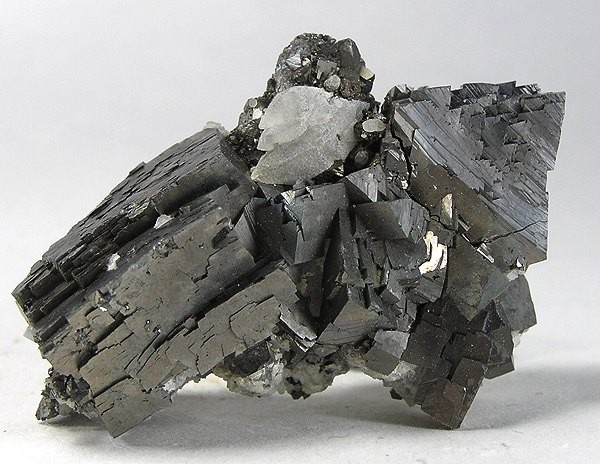
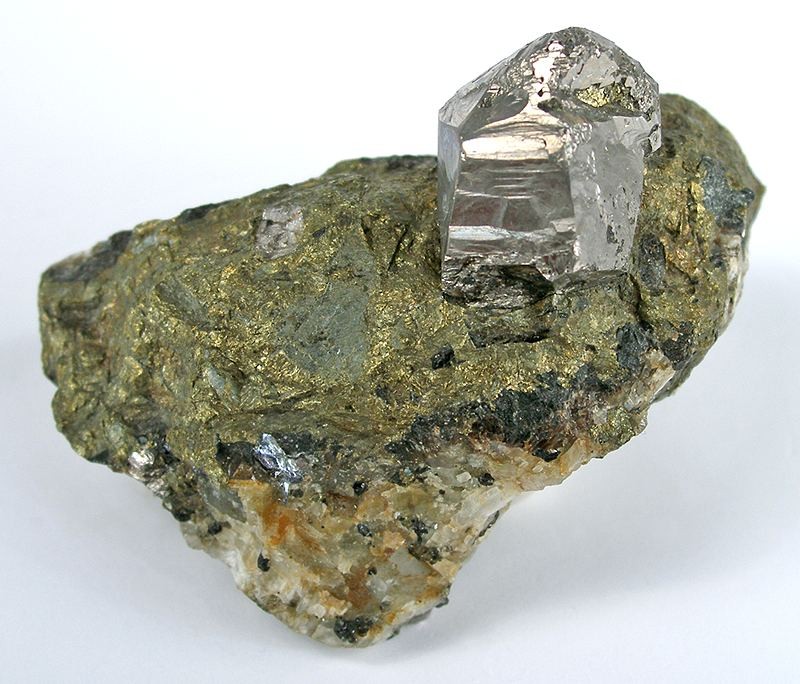
Key differences between Arsenopyrite and Cobaltite
- Both sit near Mohs 5.5–6, so a scratch test alone will not separate them. Lean on luster, streak and heft instead.
- Streak color differs: Arsenopyrite leaves a dark grayish black streak on unglazed porcelain, Cobaltite leaves grayish black.
- Both look metallic, so compare color, tarnish and weight rather than shine.
- They overlap in white and gray, but Arsenopyrite also comes in yellow and multicolored and Cobaltite also comes in pink and red.
- Well-formed crystals give it away: Arsenopyrite is Monoclinic, Cobaltite is Orthorhombic (pseudo-cubic).
Arsenopyrite vs Cobaltite properties
| Property | Arsenopyrite | Cobaltite |
|---|---|---|
| Type | Minerals | Minerals |
| Mohs hardness | 5.5–6 | 5.5 |
| Luster | Metallic | Metallic |
| Streak | Dark grayish black | Grayish black |
| Transparency | Opaque | Opaque |
| Specific gravity | 6.0–6.2 | 6.0–6.3 |
| Crystal system | Monoclinic | Orthorhombic (pseudo-cubic) |
| Common colors | Silver-white, Steel-gray, Tarnished yellowish/iridescent | Silvery white with pink/reddish tint, Steel gray |
| Rarity | common | common |
| Typical specimen value | $2–$150+ | $2–$150+ |
Which is more valuable?
Typical specimens of Arsenopyrite and Cobaltite trade in a similar range, around $20.
About Arsenopyrite
Arsenopyrite is an iron arsenic sulfide, FeAsS, and the most common arsenic-bearing mineral in Earth's crust. It crystallizes in the monoclinic system despite forming crystals that often look nearly orthorhombic, and it stands as the primary ore of arsenic. Its silvery, metallic luster and tendency to tarnish to a dull gray or iridescent surface distinguish it at a glance from ordinary pyrite.
About Cobaltite
Cobaltite is cobalt arsenic sulfide, CoAsS, a minor but historically significant ore of cobalt. It crystallizes in the orthorhombic system with a pseudo-cubic habit, forming silvery white to steel-gray crystals with a faint pinkish tint and a bright metallic luster. It typically occurs in high-temperature hydrothermal veins and contact metamorphic deposits alongside other cobalt and nickel minerals.
Arsenopyrite vs Cobaltite FAQ
Is Arsenopyrite the same as Cobaltite?
No. Both are minerals, but they are distinct species with different hardness, streak or luster. Both sit near Mohs 5.5–6, so a scratch test alone will not separate them. Lean on luster, streak and heft instead.
How can you tell Arsenopyrite from Cobaltite?
Both sit near Mohs 5.5–6, so a scratch test alone will not separate them. Lean on luster, streak and heft instead. Streak color differs: Arsenopyrite leaves a dark grayish black streak on unglazed porcelain, Cobaltite leaves grayish black. Both look metallic, so compare color, tarnish and weight rather than shine.
Which is harder, Arsenopyrite or Cobaltite?
They are about equally hard, both near Mohs 5.5–6.
Which is more valuable, Arsenopyrite or Cobaltite?
Typical specimens of Arsenopyrite and Cobaltite trade in a similar range, around $20.

