
Comparison · Minerals
Apophyllite vs Atacamite
Apophyllite and Atacamite are easy to confuse because both are minerals. Apophyllite is harder (Mohs 4.5–5) than Atacamite (Mohs 3–3.5), so Apophyllite will scratch Atacamite and not the other way round. A copper coin (Mohs 3.5) scratches it, but a fingernail does not. Below is a side-by-side comparison of their properties and the quick tests that separate them.
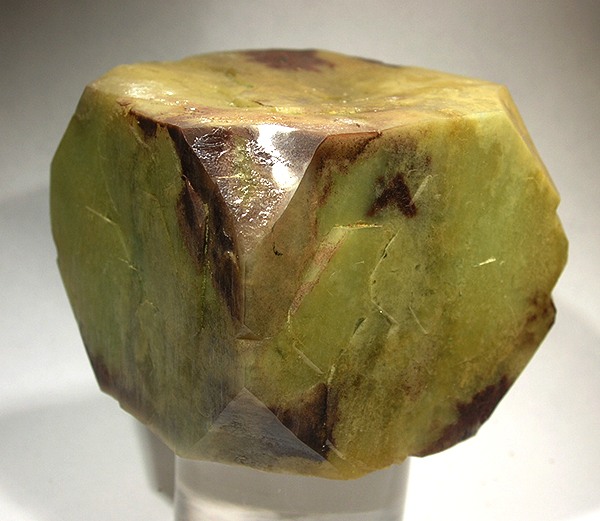
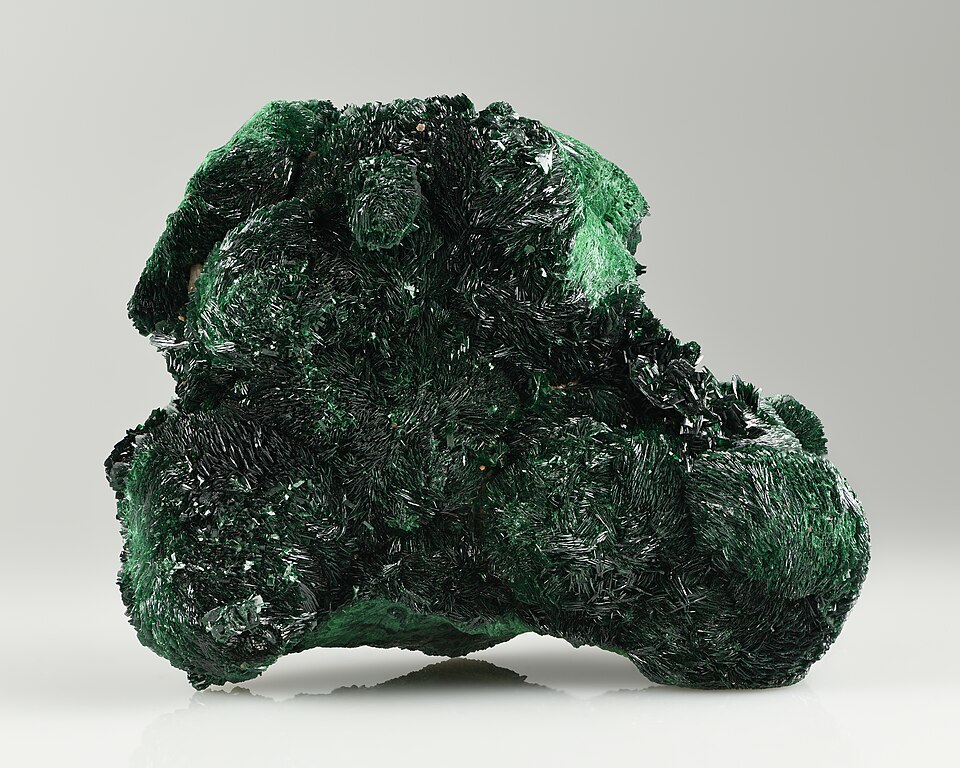
Key differences between Apophyllite and Atacamite
- Apophyllite is harder (Mohs 4.5–5) than Atacamite (Mohs 3–3.5), so Apophyllite will scratch Atacamite and not the other way round. A copper coin (Mohs 3.5) scratches it, but a fingernail does not.
- Streak color differs: Apophyllite leaves a white streak on unglazed porcelain, Atacamite leaves apple green.
- Atacamite feels noticeably heavier for its size (specific gravity 3.75–3.77 versus 2.3–2.4 for Apophyllite).
- They overlap in green, but Apophyllite also comes in clear, pink, and yellow.
- Well-formed crystals give it away: Apophyllite is Tetragonal, Atacamite is Orthorhombic.
Apophyllite vs Atacamite properties
| Property | Apophyllite | Atacamite |
|---|---|---|
| Type | Minerals | Minerals |
| Mohs hardness | 4.5–5 | 3–3.5 |
| Luster | Vitreous, pearly on cleavage | Vitreous to adamantine |
| Streak | White | Apple green |
| Transparency | Transparent to translucent | Transparent to translucent |
| Specific gravity | 2.3–2.4 | 3.75–3.77 |
| Crystal system | Tetragonal | Orthorhombic |
| Common colors | Colorless, White, Green, Pink, Pale yellow | Bright green, Dark green |
| Rarity | common | common |
| Typical specimen value | $2–$150+ | $2–$150+ |
Which is more valuable?
Typical specimens of Apophyllite and Atacamite trade in a similar range, around $20.
About Apophyllite
Apophyllite is the common name for a small group of hydrated potassium calcium silicates, most often KCa4Si8O20(F,OH)·8H2O, crystallizing in the tetragonal system. It typically grows as glassy, pseudo-cubic or pyramidal crystals lining cavities in basaltic lava. The name comes from the Greek for 'to leaf away,' describing how the mineral flakes when heated, losing its water of crystallization.
About Atacamite
Atacamite is a copper chloride hydroxide mineral, Cu2Cl(OH)3, that forms a striking emerald to blackish-green secondary mineral in the oxidized zones of copper deposits. It takes its name from the Atacama Desert of Chile, where it was first described and where arid conditions allow chloride-bearing copper minerals to persist rather than being washed away. Atacamite is notable among copper minerals for containing structural chlorine, which ties its formation to saline or coastal environments.
Apophyllite vs Atacamite FAQ
Is Apophyllite the same as Atacamite?
No. Both are minerals, but they are distinct species with different hardness, streak or luster. Apophyllite is harder (Mohs 4.5–5) than Atacamite (Mohs 3–3.5), so Apophyllite will scratch Atacamite and not the other way round. A copper coin (Mohs 3.5) scratches it, but a fingernail does not.
How can you tell Apophyllite from Atacamite?
Apophyllite is harder (Mohs 4.5–5) than Atacamite (Mohs 3–3.5), so Apophyllite will scratch Atacamite and not the other way round. A copper coin (Mohs 3.5) scratches it, but a fingernail does not. Streak color differs: Apophyllite leaves a white streak on unglazed porcelain, Atacamite leaves apple green. Atacamite feels noticeably heavier for its size (specific gravity 3.75–3.77 versus 2.3–2.4 for Apophyllite).
Which is harder, Apophyllite or Atacamite?
Apophyllite is harder: Mohs 4.5–5 against Mohs 3–3.5 for Atacamite.
Which is more valuable, Apophyllite or Atacamite?
Typical specimens of Apophyllite and Atacamite trade in a similar range, around $20.

