
Comparison · Metamorphic Rocks vs Carbonaceous Rocks
Anthracite vs Shungite
Anthracite and Shungite are easy to confuse. Shungite is harder (Mohs 3.5) than Anthracite (Mohs 2.5), so Shungite will scratch Anthracite and not the other way round. A copper coin (Mohs 3.5) scratches it, but a fingernail does not. Below is a side-by-side comparison of their properties and the quick tests that separate them.
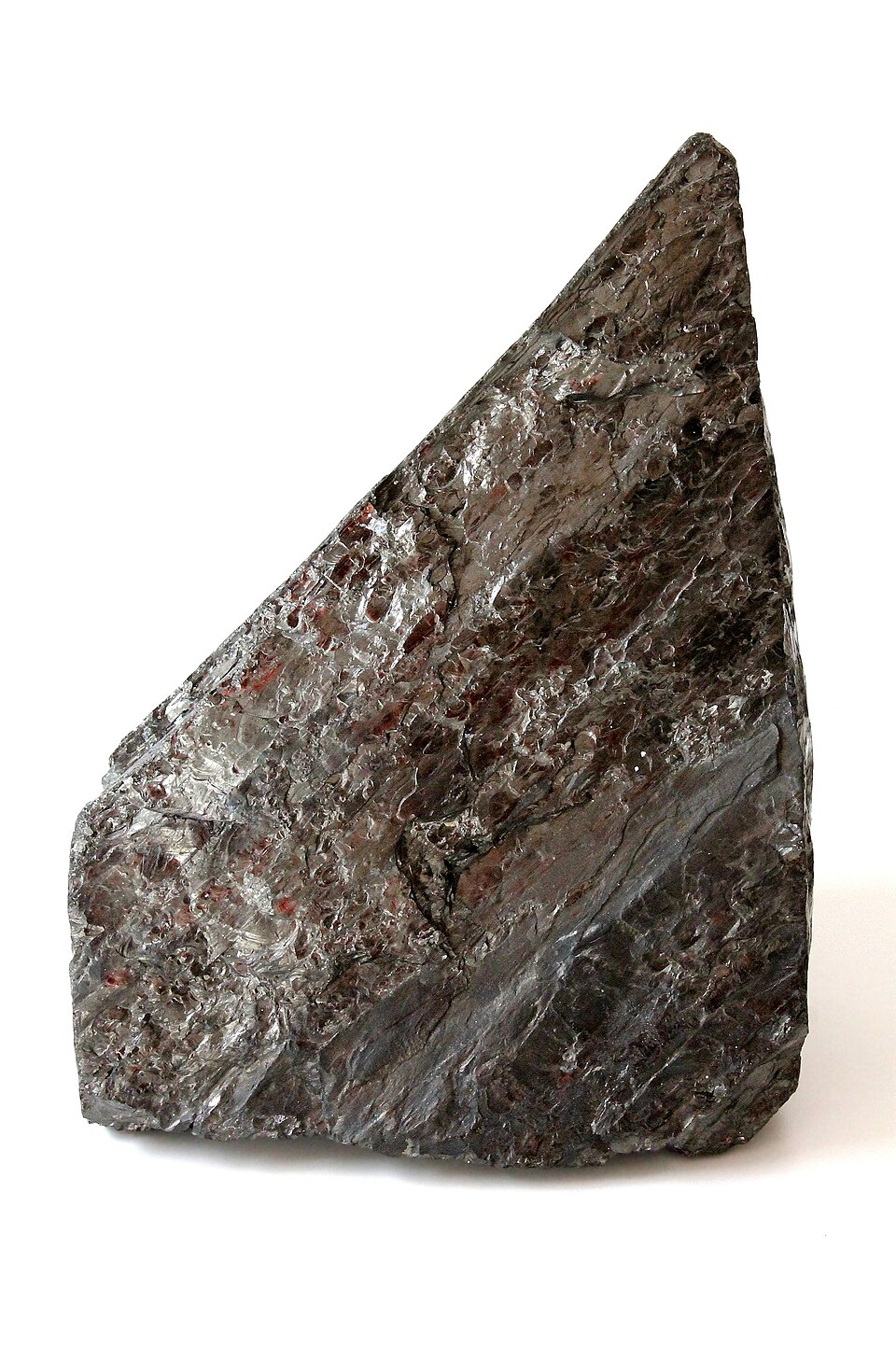
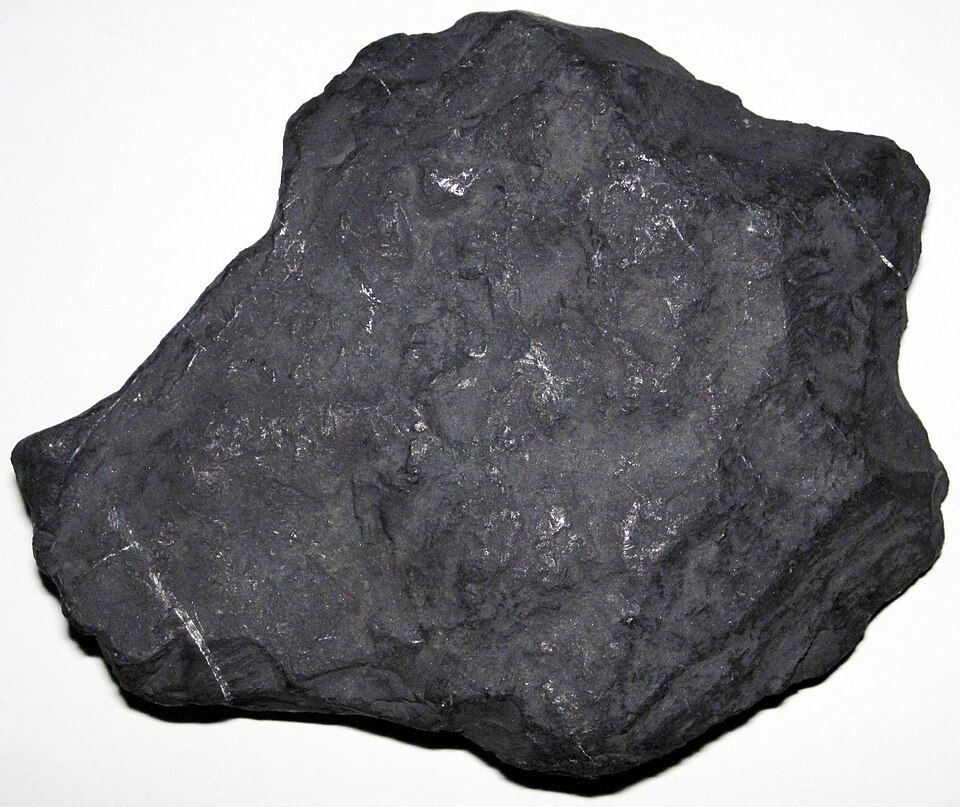
Key differences between Anthracite and Shungite
- Shungite is harder (Mohs 3.5) than Anthracite (Mohs 2.5), so Shungite will scratch Anthracite and not the other way round. A copper coin (Mohs 3.5) scratches it, but a fingernail does not.
- Streak color differs: Anthracite leaves a black to dark gray streak on unglazed porcelain, Shungite leaves black.
- Both look metallic, so compare color, tarnish and weight rather than shine.
Anthracite vs Shungite properties
| Property | Anthracite | Shungite |
|---|---|---|
| Type | Metamorphic Rocks | Carbonaceous Rocks |
| Mohs hardness | 2.5 | 3.5 |
| Luster | submetallic | submetallic |
| Streak | Black to dark gray | Black |
| Transparency | opaque | opaque |
| Specific gravity | 1.5 | 1.9 |
| Crystal system | varies | — |
| Common colors | Black, Steel gray | Black, Dark gray |
| Rarity | common | uncommon |
| Typical specimen value | $1–$50+ | $5–$150+ |
Which is more valuable?
Shungite is usually the more valuable of the two: a typical collector specimen runs about $30 against $8 for Anthracite, and premium Shungite can reach $150 or more.
About Anthracite
Anthracite is a hard, shiny, high-carbon coal. It often looks black, compact, lightweight for its size, and glassy to submetallic.
About Shungite
Shungite is a black, carbon-rich rock found mainly in the Karelia region of northwestern Russia. It ranges from dull carbon-bearing rock to a lustrous high-carbon variety and is notable for its very old Precambrian age.
Anthracite vs Shungite FAQ
Is Anthracite the same as Shungite?
No. Anthracite is a metamorphic rock while Shungite is a carbonaceous rock. Shungite is harder (Mohs 3.5) than Anthracite (Mohs 2.5), so Shungite will scratch Anthracite and not the other way round. A copper coin (Mohs 3.5) scratches it, but a fingernail does not.
How can you tell Anthracite from Shungite?
Shungite is harder (Mohs 3.5) than Anthracite (Mohs 2.5), so Shungite will scratch Anthracite and not the other way round. A copper coin (Mohs 3.5) scratches it, but a fingernail does not. Streak color differs: Anthracite leaves a black to dark gray streak on unglazed porcelain, Shungite leaves black. Both look metallic, so compare color, tarnish and weight rather than shine.
Which is harder, Anthracite or Shungite?
Shungite is harder: Mohs 3.5 against Mohs 2.5 for Anthracite.
Which is more valuable, Anthracite or Shungite?
Shungite is usually the more valuable of the two: a typical collector specimen runs about $30 against $8 for Anthracite, and premium Shungite can reach $150 or more.

