
Comparison · Minerals
Andalusite vs Gibbsite
Andalusite and Gibbsite are easy to confuse because both are minerals. Andalusite is harder (Mohs 6.5–7.5) than Gibbsite (Mohs 2.5–3.5), so Andalusite will scratch Gibbsite and not the other way round. A copper coin (Mohs 3.5) scratches it, but a fingernail does not. Below is a side-by-side comparison of their properties and the quick tests that separate them.
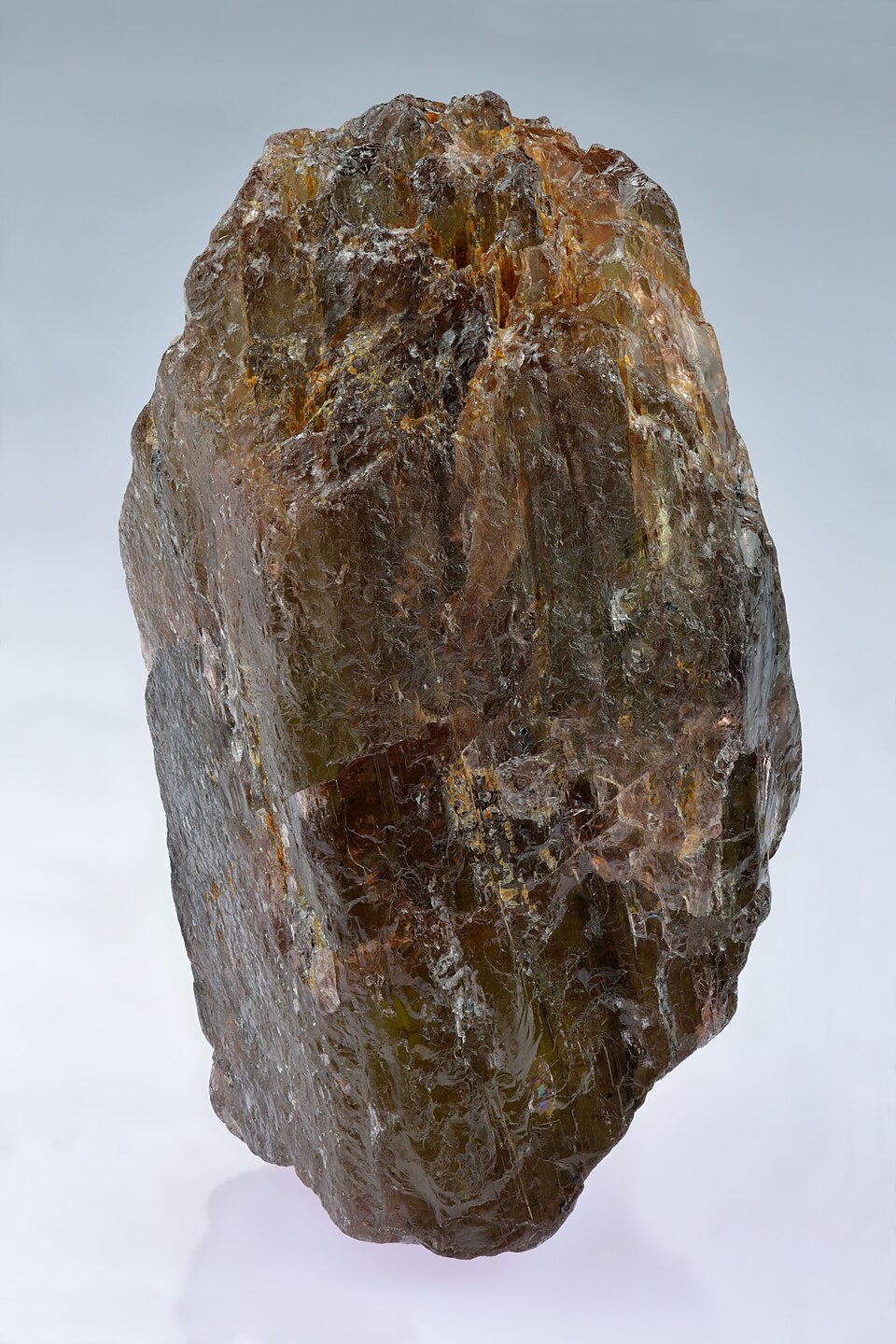
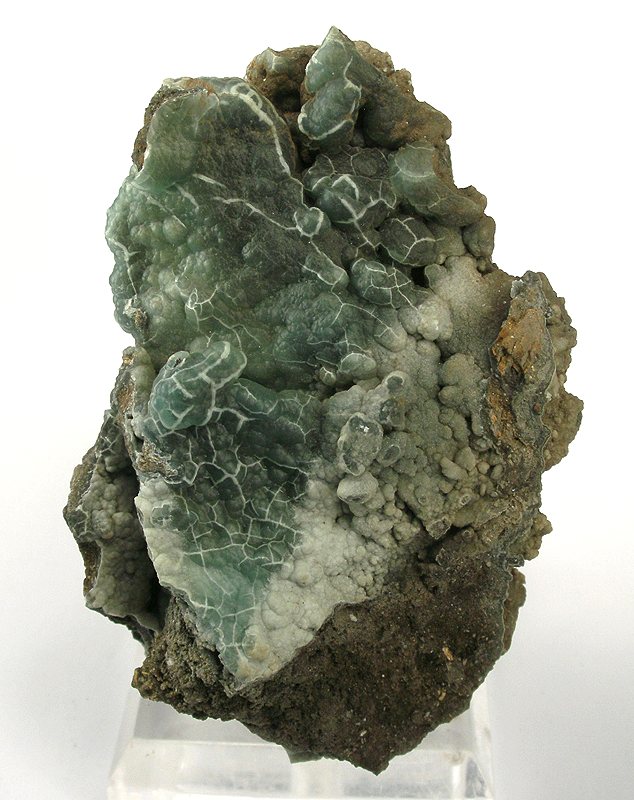
Key differences between Andalusite and Gibbsite
- Andalusite is harder (Mohs 6.5–7.5) than Gibbsite (Mohs 2.5–3.5), so Andalusite will scratch Gibbsite and not the other way round. A copper coin (Mohs 3.5) scratches it, but a fingernail does not.
- Andalusite feels noticeably heavier for its size (specific gravity 3.13–3.21 versus 2.3–2.4 for Gibbsite).
- They overlap in red, green, and gray, but Andalusite also comes in brown and pink and Gibbsite also comes in white.
- Well-formed crystals give it away: Andalusite is Orthorhombic, Gibbsite is Monoclinic.
Andalusite vs Gibbsite properties
| Property | Andalusite | Gibbsite |
|---|---|---|
| Type | Minerals | Minerals |
| Mohs hardness | 6.5–7.5 | 2.5–3.5 |
| Luster | Vitreous | Vitreous, pearly on cleavage, dull when earthy |
| Streak | White | White |
| Transparency | Transparent to translucent | Transparent to translucent |
| Specific gravity | 3.13–3.21 | 2.3–2.4 |
| Crystal system | Orthorhombic | Monoclinic |
| Common colors | Reddish brown, Olive green, Gray, Pink | White, Gray, Greenish, Reddish |
| Rarity | common | common |
| Typical specimen value | $2–$150+ | $2–$150+ |
Which is more valuable?
Typical specimens of Andalusite and Gibbsite trade in a similar range, around $20.
About Andalusite
Andalusite is an aluminum silicate, Al2SiO5, and one of three natural polymorphs sharing that exact formula along with kyanite and sillimanite. It crystallizes in the orthorhombic system as stout, nearly square prisms formed under low-pressure, moderate-temperature metamorphism. Its variety chiastolite, which displays a dark cross pattern in cross-section, makes it one of the more recognizable metamorphic minerals to casual collectors.
About Gibbsite
Gibbsite is aluminum hydroxide, Al(OH)3, a soft, typically white to gray mineral that forms as a weathering product in tropical and subtropical soils and serves as the principal ore mineral of aluminum within bauxite deposits. It commonly occurs as fine-grained, earthy masses or crusts rather than well-formed crystals, though occasional tabular pseudohexagonal crystals do develop in cavities. It is named after American mineral collector George Gibbs, whose collection helped found early American mineralogy.
Andalusite vs Gibbsite FAQ
Is Andalusite the same as Gibbsite?
No. Both are minerals, but they are distinct species with different hardness, streak or luster. Andalusite is harder (Mohs 6.5–7.5) than Gibbsite (Mohs 2.5–3.5), so Andalusite will scratch Gibbsite and not the other way round. A copper coin (Mohs 3.5) scratches it, but a fingernail does not.
How can you tell Andalusite from Gibbsite?
Andalusite is harder (Mohs 6.5–7.5) than Gibbsite (Mohs 2.5–3.5), so Andalusite will scratch Gibbsite and not the other way round. A copper coin (Mohs 3.5) scratches it, but a fingernail does not. Andalusite feels noticeably heavier for its size (specific gravity 3.13–3.21 versus 2.3–2.4 for Gibbsite). They overlap in red, green, and gray, but Andalusite also comes in brown and pink and Gibbsite also comes in white.
Which is harder, Andalusite or Gibbsite?
Andalusite is harder: Mohs 6.5–7.5 against Mohs 2.5–3.5 for Gibbsite.
Which is more valuable, Andalusite or Gibbsite?
Typical specimens of Andalusite and Gibbsite trade in a similar range, around $20.

